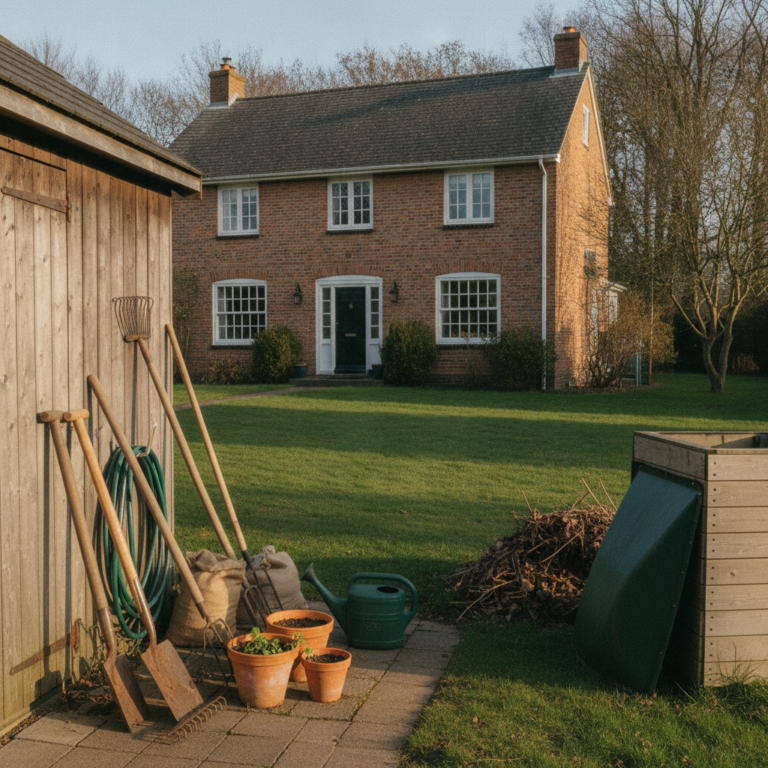
Greenwood homeowners have access to a comprehensive, updated resource outlining a multi-phase approach to preparing properties for severe weather events. The guide, initially published on October 14, 2025, and updated on May 27, 2026, provides detailed checklists and recommendations spanning several months of preparation down to the final hours before a storm.
The resource emphasizes a proactive strategy, recommending that basic preparations begin two to three months before the typical storm season. As a specific storm forecast emerges, a more focused protection plan should be activated three to five days prior, with final critical actions completed within the 24 hours leading up to the storm’s arrival.
Rob Temples, identified as the author, brings over a decade of experience in the restoration industry, holding an IICRC Water Restoration Technician certification. His expertise underpins the practical advice offered in the guide, which covers exterior inspections, drainage and foundation protection, indoor readiness, emergency supplies, and critical pre-storm actions.
Exterior Home Protection
For the exterior of a home, the guide advises several key steps. Homeowners should thoroughly inspect their roofs for any signs of damage or weakness that could be exacerbated by high winds or heavy rain. Cleaning gutters and downspouts is crucial to ensure proper water flow, preventing overflow that can lead to foundation issues. Furthermore, downspout water should be directed five to ten feet away from the foundation to prevent pooling and potential water intrusion.
Tree maintenance is another critical component. Trimming branches that are within ten feet of the home or power lines can significantly reduce the risk of structural damage or power outages during high winds. All loose outdoor items, such as patio furniture, decorations, and trash cans, should be secured or brought inside to prevent them from becoming projectiles. Finally, a thorough check of all windows and doors is recommended to ensure they seal properly and are free of vulnerabilities.
Drainage and Foundation Safeguards
Protecting a home’s foundation from water damage is paramount. The guide suggests grading the soil around the house to ensure it slopes at least six inches over ten feet away from the foundation. This helps channel rainwater away from the structure. Homeowners should also test their sump pumps regularly to confirm they are in working order, especially if basements or crawl spaces are prone to flooding. Identifying vulnerable entry points for water, such as cracks in the foundation or gaps around pipes, allows for proactive sealing. Checking basement and garage floor drains ensures they are clear and functional, ready to handle any water accumulation.
Assembling Emergency Supplies
Indoor readiness includes assembling an emergency supply kit designed to sustain household members for at least 72 hours. This kit should include one gallon of water per person per day for drinking and sanitation, along with a supply of non-perishable food items. Essential tools and supplies include flashlights, extra batteries, a well-stocked first-aid kit, and any necessary prescription medications. A battery-powered or hand-crank radio is vital for receiving emergency broadcasts, and portable phone chargers or power banks are necessary to keep communication devices operational. A supply of cash is also recommended, as ATMs and electronic payment systems may be unavailable during power outages. For households with pets, adequate pet food, water, and any necessary supplies should be included.
Immediate Pre-Storm Actions
When a storm is specifically forecast to impact Greenwood, the guide outlines a series of immediate actions. All outdoor items that could be damaged or become hazards, such as grills, planters, and toys, should be brought inside. Installing storm shutters or plywood over windows and glass doors provides critical protection against flying debris. For homes in areas prone to flooding, placing sandbags around vulnerable entry points can help divert water. Filling bathtubs and other containers with water ensures a reserve for sanitation purposes if the water supply is interrupted. All electronic devices should be fully charged, and vehicle fuel tanks should be topped off in case evacuation becomes necessary. Moving valuable possessions and important documents to higher floors can protect them from potential flood damage. Finally, documenting the home’s condition with photos or videos before the storm can be invaluable for insurance claims after the event.
When Professional Help is Needed
The guide also clarifies situations where professional assistance is warranted. Significant roof damage, dangerous or diseased trees that pose a fall risk, and persistent foundation or water-seepage problems should be addressed by qualified contractors. Sump pump installation or replacement, especially if current systems are inadequate, is best handled by professionals. Any electrical hazards, visible mold growth, or signs of structural damage require immediate attention from specialists. In the aftermath of a storm, gas leaks, downed power lines, active water intrusion, and sewage backups are critical emergencies that demand professional intervention for safety and proper remediation.
Why it matters in Greenwood
Effective storm preparation is a critical concern for residents and institutions across Greenwood, particularly as the region experiences the warmer months. Proactive measures, as detailed in this guide, can significantly reduce the burden on local emergency services, including the Greenwood County Sheriff’s Office and Self Regional Healthcare, during and after severe weather events. Protecting individual homes contributes to the overall resilience of the community, safeguarding property values and ensuring that essential services can focus on broader public safety and recovery efforts. For neighborhoods like Bentley Park or Grand Harbor, where homes may be particularly susceptible to specific types of storm damage, adherence to these guidelines can mean the difference between minor inconvenience and significant loss. The collective preparedness of residents directly impacts the speed and efficiency of the city’s recovery from any storm, reinforcing the stability of Greenwood’s infrastructure and economy.