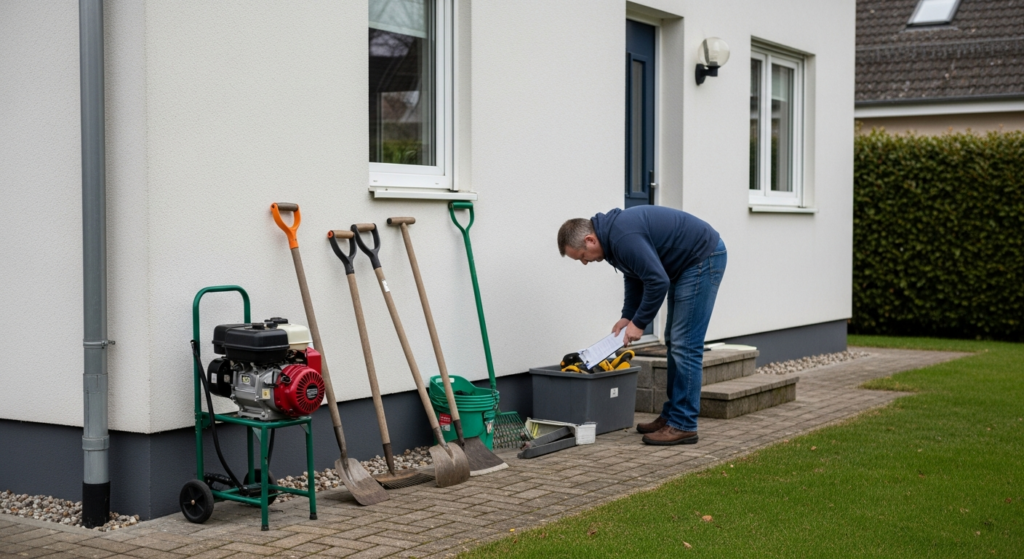
Greenwood homeowners now have access to a comprehensive guide designed to enhance safety and mitigate property damage before, during, and after severe weather. The resource, released this week, provides actionable checklists and recommendations for a range of natural disasters, including hurricanes, tornadoes, wildfires, floods, earthquakes, ice storms, heavy snowfall, and power outages—all potential threats in the Greenwood area.
Effective pre-storm preparation is a central theme of the guide, emphasizing proactive measures that can significantly reduce risk. Homeowners are advised to conduct thorough inspections of their roofs, looking for any missing, loose, or damaged shingles that could allow water intrusion during high winds and heavy rainfall. Sealing gaps around windows and doors is another critical step, preventing water leaks and improving energy efficiency. Cleaning and securing gutters and downspouts are also highlighted to ensure proper water diversion and prevent ice dam formation in colder months. Furthermore, the guide recommends trimming tree branches that are close to the home, as falling limbs are a common cause of damage during storms. Anchoring outdoor items, protecting windows with shutters or plywood, and sheltering vehicles in garages or away from potential hazards are also crucial. Finally, reviewing homeowners insurance coverage is a key preparatory step, ensuring policies are up-to-date and adequately cover potential storm-related damages.
An essential component of the guide is its detailed emergency-kit checklist, designed to sustain households for at least three days without external assistance. The kit should include a minimum of one gallon of bottled water per person per day, along with non-perishable food items and a manual can opener. Lighting sources such as flashlights, headlamps, and a sufficient supply of batteries are vital for power outages. A well-stocked first-aid kit, prescription medications, and a weather radio for receiving critical updates are also indispensable. To maintain communication, phone chargers and power banks are recommended. Important documents, such as insurance policies and identification, should be stored in waterproof bags. Cash, blankets, extra clothing, sturdy shoes, and hygiene supplies complete the comprehensive list, ensuring basic needs are met during an emergency.
The guide also offers specific advice for managing different types of severe weather and their aftermath. For winter conditions and potential power outages, homeowners are encouraged to insulate exposed pipes to prevent freezing and bursting, and to ensure gutters are clear to avoid ice dams. Keeping flashlights and backup heat sources readily available is paramount. The guide strictly advises operating generators only outdoors and away from windows to prevent carbon monoxide poisoning. Safe snow removal techniques are also covered, along with sealing drafts to retain indoor heat. Conversely, during periods of extreme heat and power outages, the guide suggests strategies for ventilation and advises moving to a cooler location if indoor air temperatures exceed 95 degrees Fahrenheit.
Safety during an outage is paramount. The guide recommends placing space heaters at least three feet from flammable objects and closing off unused rooms to concentrate heat. Allowing taps to drip slightly can help prevent pipes from freezing in cold weather. During hot weather, ventilation strategies are crucial, and residents should seek cooler locations if indoor temperatures become dangerously high.
After a storm has passed, the guide emphasizes waiting until all immediate hazards, such as downed power lines, electrical dangers, and flooding, have subsided before beginning inspections. Once it is safe, homeowners should meticulously inspect their property for damage. This includes the roof, gutters, siding, windows, HVAC equipment, solar panels, ceilings, attic, and doors. The surrounding property should also be checked for debris and structural issues. Documenting all damage with photos and detailed notes is critical for insurance claims. Making temporary repairs with tarps or boards can prevent further damage while awaiting professional assistance.
Understanding insurance coverage is the final critical step. The guide clarifies that most standard homeowners insurance policies typically cover damage caused by wind, hail, and fallen trees. However, damage from floods and earthquakes usually requires separate, specialized policies. Homeowners are strongly advised to review their specific coverage details well in advance of a storm and to contact their insurer promptly after any damage occurs to initiate the claims process. This proactive approach can help streamline recovery efforts and minimize financial burdens.
Why it matters in Greenwood
For residents across Greenwood, from the historic homes near Lander University to newer developments in Bentley Park, understanding these preparedness measures can directly mitigate property damage and enhance personal safety. Proactive steps outlined in the guide can reduce the burden on local emergency services, including the Greenwood County Sheriff’s Office and Self Regional Healthcare, allowing them to focus resources on the most critical situations during and after severe weather events. This collective preparedness contributes to the overall resilience of the Greenwood community, safeguarding homes and lives against the unpredictable nature of regional storms, which can range from summer thunderstorms to winter ice events and the occasional hurricane remnant. By taking these steps, families can better protect their property and ensure their well-being when severe weather impacts the area.