Anglers in Greenwood and the surrounding Lakelands region are encouraged to review a recently issued guide detailing essential safety precautions for fishing during the intense summer heat. The recommendations focus on mitigating risks associated with prolonged sun exposure, dehydration, heat-related illnesses, and specific considerations for boat safety on local bodies of water such as Lake Greenwood, the Saluda River, and Long Cane Creek.
The guide emphasizes that the sun’s ultraviolet (UV) rays are at their strongest between 10 AM and 4 PM. This period poses a heightened risk, particularly for those on or near water, as surfaces like lakes and rivers can reflect up to 15% of UV radiation. This reflection significantly increases an angler’s overall exposure, making comprehensive sun protection paramount.
To combat this, the guide recommends using a broad-spectrum sunscreen with an SPF (Sun Protection Factor) of at least 30. For individuals anticipating extended periods on the water, an SPF of 50 or higher is advised. Proper application is crucial: sunscreen should be applied approximately 30 minutes before heading outdoors to allow it to absorb effectively. Reapplication is necessary every two hours, or more frequently if an angler is sweating heavily or has been splashed by water, which can diminish the sunscreen’s protective qualities.
Beyond topical protection, appropriate clothing and accessories play a vital role. Lightweight, long-sleeved garments with a UPF (Ultraviolet Protection Factor) rating are highly recommended. These materials are specifically designed to block a significant amount of UV radiation from reaching the skin. Light-colored clothing is also beneficial as it reflects sunlight rather than absorbing it, helping to keep the body cooler. A wide-brimmed hat, offering at least four inches of coverage around the entire head and neck, provides crucial shade. Additionally, polarized sunglasses with 100% UV protection are essential not only for protecting the eyes from harmful rays but also for reducing glare off the water, which can improve visibility and reduce eye strain.
Hydration is another critical component of summer fishing safety. The guide stresses the importance of consistent fluid intake, recommending that anglers drink at least 8 ounces of water every 15 to 20 minutes while actively fishing. This steady intake helps to replenish fluids lost through sweating and maintain the body’s core temperature. Proactive hydration should begin the night before a planned fishing excursion, ensuring the body is well-hydrated before exposure to heat. Beverages high in caffeine or alcohol should be avoided, as these can act as diuretics, leading to increased fluid loss and potentially exacerbating dehydration.
Understanding the signs of heat-related illness is crucial for prompt intervention. The guide differentiates between heat exhaustion and heat stroke, outlining the distinct symptoms of each. Signs of heat exhaustion include heavy sweating, general weakness, nausea, headache, and muscle cramps. If these symptoms appear, individuals should move to a cooler, shaded area, rehydrate, and rest. Left unaddressed, heat exhaustion can progress to the more severe and life-threatening condition of heat stroke.
Heat stroke is characterized by a body temperature above 103°F, an altered mental state (confusion, disorientation), hot and dry skin (though sweating may still be present), a rapid pulse, and potentially unconsciousness. The guide unequivocally states that heat stroke is a medical emergency requiring immediate attention. In such cases, a 911 call should be made without delay. Rapid response and medical intervention are critical to prevent severe complications, including organ damage or death. Local emergency services, including those supported by Self Regional Healthcare, are prepared to respond to such incidents in the Greenwood area.
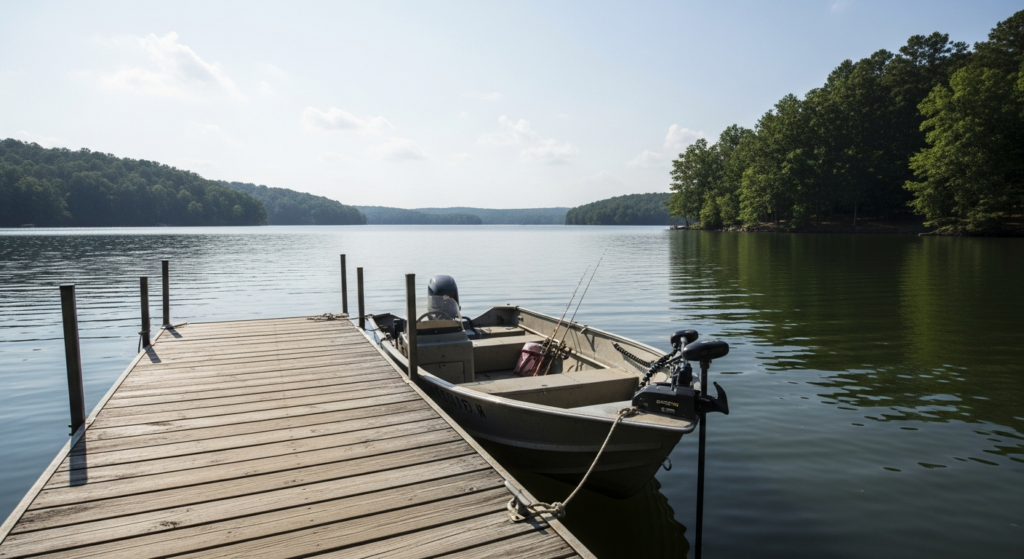
For those venturing onto Lake Greenwood or other large waterways by boat, specific safety measures are advised. Before departure, anglers should ensure their engine cooling system is functioning correctly to prevent breakdowns in remote areas. All required safety equipment, such as life jackets and fire extinguishers, should be on board and easily accessible. Filing a float plan with a trusted contact is also recommended; this plan should detail the intended route, destination, and estimated return time, allowing authorities to initiate a search if the boat does not return as scheduled. Carrying extra water is paramount, with the guide suggesting at least one gallon of water per person per day for emergency situations. Other emergency supplies, including a first-aid kit and non-perishable food, are also vital. A VHF radio is recommended for reliable communication on the water, particularly in areas where cellular service may be unreliable.
Summer heat and UV exposure can also have detrimental effects on fishing gear. The guide notes that prolonged exposure can weaken rod guides, degrade fishing line, and warp tackle boxes. To mitigate this damage, anglers are advised to keep their equipment shaded whenever possible. Frequent inspection of fishing line for signs of wear or degradation is also recommended, as weakened line can lead to lost catches and potential safety hazards.
Why it matters in Greenwood
Greenwood, with its proximity to Lake Greenwood and several rivers, is a hub for recreational fishing, particularly during the warm summer months. Adhering to these safety guidelines is not merely a recommendation but a practical necessity for the thousands of residents and visitors who frequent these waterways. The potential for heat-related emergencies places a direct demand on local resources, including Greenwood County Emergency Services and Self Regional Healthcare. By taking proactive measures, anglers can reduce the strain on these vital services and ensure their own well-being, allowing them to enjoy the natural beauty and recreational opportunities that define the Lakelands region without unnecessary risk. These precautions help sustain a safe environment for all who utilize Greenwood’s aquatic resources.