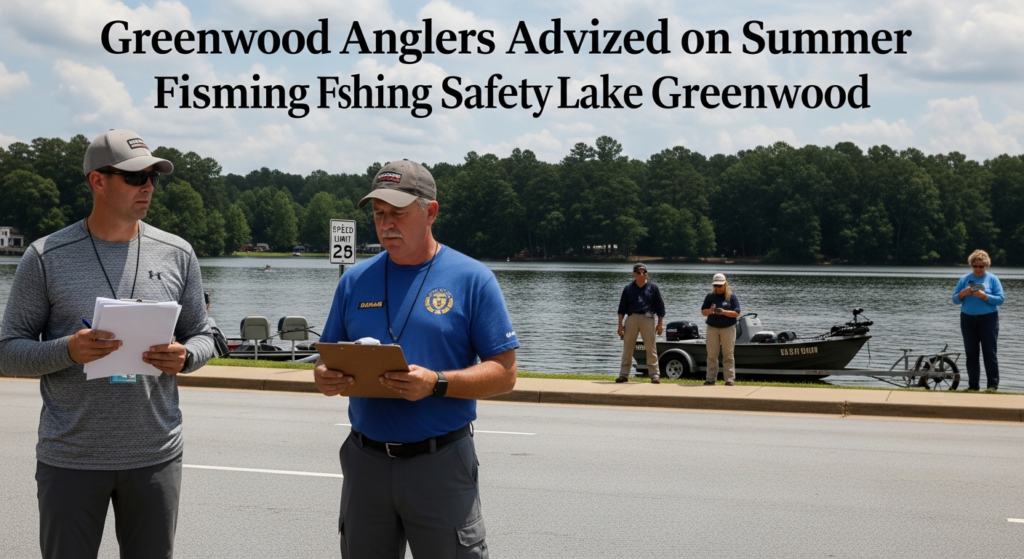
As residents of Greenwood and the surrounding Lakelands region increasingly turn to local waterways for recreation, a detailed safety guide has been highlighted, offering essential precautions for summer fishing. The recommendations focus on mitigating risks associated with prolonged sun exposure, dehydration, heat-related illnesses, and boating incidents, particularly relevant for those venturing onto Lake Greenwood, the Saluda River, or Long Cane Creek.
The guide underscores that the sun’s ultraviolet (UV) rays are most intense between 10 AM and 4 PM. Compounding this, water surfaces can reflect up to 15% of UV radiation, significantly increasing a person’s exposure. To counter this, anglers are advised to use a broad-spectrum sunscreen with at least SPF 30, with SPF 50+ recommended for extended periods on the water. Proper application involves applying sunscreen 30 minutes before going outdoors and reapplying it every two hours, or more frequently if sweating heavily or getting splashed.
Beyond sunscreen, protective clothing is a key component of sun safety. The guide recommends wearing lightweight, long-sleeved shirts and pants made from UPF-rated fabrics, which offer built-in UV protection. A wide-brimmed hat, providing at least four inches of coverage all around, is crucial for protecting the face, ears, and neck. Polarized sunglasses with 100% UV protection are also advised to shield eyes from both direct and reflected sunlight, which can cause long-term damage.
Hydration is another critical aspect of summer safety, especially when spending hours under the sun. Early indicators of dehydration include thirst, dry mouth, decreased urination, and fatigue. If these symptoms are ignored, more severe signs can develop, such as dizziness, a rapid heartbeat, and confusion. Anglers are encouraged to drink water consistently throughout their outing, rather than waiting until they feel thirsty.
The guide also provides clear distinctions between heat exhaustion and the more severe heat stroke. Symptoms of heat exhaustion include heavy sweating, general weakness, nausea, headaches, and muscle cramps. If these symptoms appear, individuals should move to a cooler environment, rest, and rehydrate. Heat stroke, a medical emergency, is characterized by a high body temperature above 103°F, an altered mental state, hot and dry skin (though sweating may still occur), a rapid pulse, and potential unconsciousness. Immediate medical attention is vital for suspected heat stroke cases.
For those who prefer boat fishing on Lake Greenwood or other larger bodies of water, specific safety measures are recommended. Preparing a float plan, which details the vessel, crew, destination, and expected return time, and sharing it with someone on shore, can be invaluable in an emergency. Carrying a VHF radio is also advised for reliable communication, particularly in areas with limited cell service. Additionally, the guide stresses the importance of having extra water and emergency supplies on board. The U.S. Coast Guard recommends at least one gallon of water per person per day for emergency situations, a guideline that can be crucial if an outing extends unexpectedly.
These precautions are not merely suggestions but foundational practices for safe enjoyment of Greenwood’s abundant natural resources during the summer. Adhering to these guidelines can help ensure that fishing trips remain enjoyable and free from preventable health or safety incidents.
Why it matters in Greenwood
For the Greenwood community, where outdoor recreation, particularly fishing on Lake Greenwood, is a cherished summer activity, understanding and implementing these safety guidelines is paramount. Local institutions like Self Regional Healthcare frequently see cases of heat-related illnesses during the warmer months, underscoring the real-world impact of sun exposure and dehydration. By following these recommendations, residents can help reduce the strain on emergency services and ensure that the region’s natural assets, such as the popular Lake Greenwood State Park, remain safe and accessible for everyone. These measures contribute directly to the well-being of those who live, work, and recreate in Greenwood, fostering a safer environment for all summer enthusiasts.