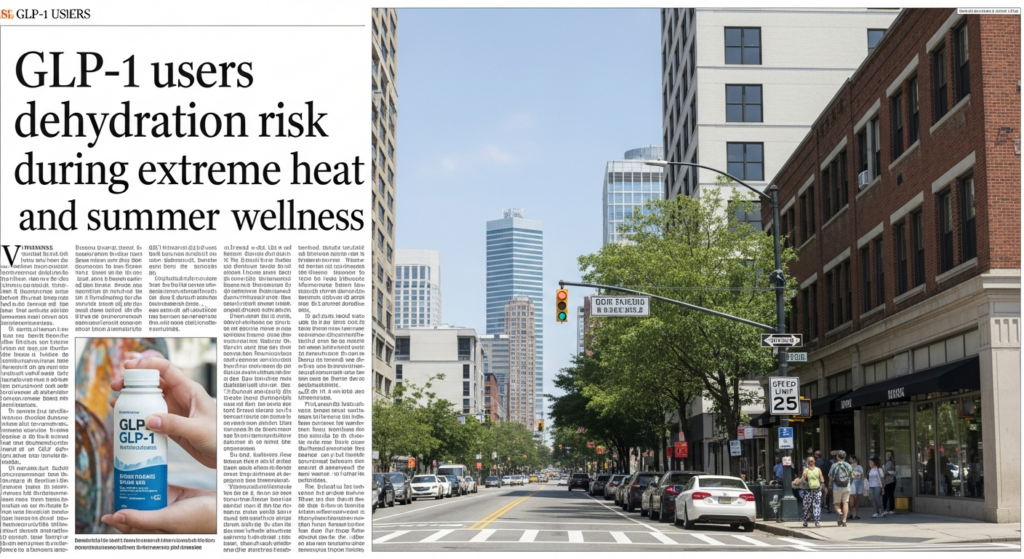
Medical professionals across the nation, including those serving the Greenwood area, are issuing advisories to individuals taking GLP-1 receptor agonist medications, urging heightened attention to hydration and potential heat-related symptoms during the current summer season.
GLP-1 medications, commonly prescribed for conditions such as type 2 diabetes and weight management, work by affecting appetite and slowing gastric emptying. While effective for their intended purposes, these mechanisms can inadvertently lead to reduced fluid intake. Patients may experience a diminished sense of thirst or a general decrease in appetite, which can result in consuming less water or other hydrating beverages than necessary. This effect, when combined with the typical summer heat in Greenwood, significantly elevates the risk of dehydration and heat-related illnesses.
Health coverage and local broadcast reports have highlighted this concern, noting that the combination of altered appetite, fluid intake, and hot weather creates a specific challenge for GLP-1 users. Symptoms of dehydration can include fatigue, dizziness, headaches, muscle cramps, and dark urine. In more severe cases, it can lead to heat exhaustion or heatstroke, which require immediate medical attention.
Medical guidance emphasizes that individuals on GLP-1 medications should proactively monitor their fluid intake, even if they do not feel thirsty. Consulting with a qualified clinician is essential for personalized advice on hydration strategies, especially during the warmer summer months. Healthcare providers can offer specific recommendations tailored to an individual’s health profile and medication regimen. This may include setting reminders to drink water regularly, incorporating electrolyte-rich fluids if medically appropriate, and being mindful of physical activity during peak heat hours.
For residents of Greenwood, understanding these risks and maintaining open communication with their healthcare teams is a critical step in managing their health safely. Local medical facilities and practitioners are prepared to assist patients with these concerns, reinforcing the broader medical community’s message on vigilance.