
How to Choose the Right Roof Design for Optimal Snow Load Management
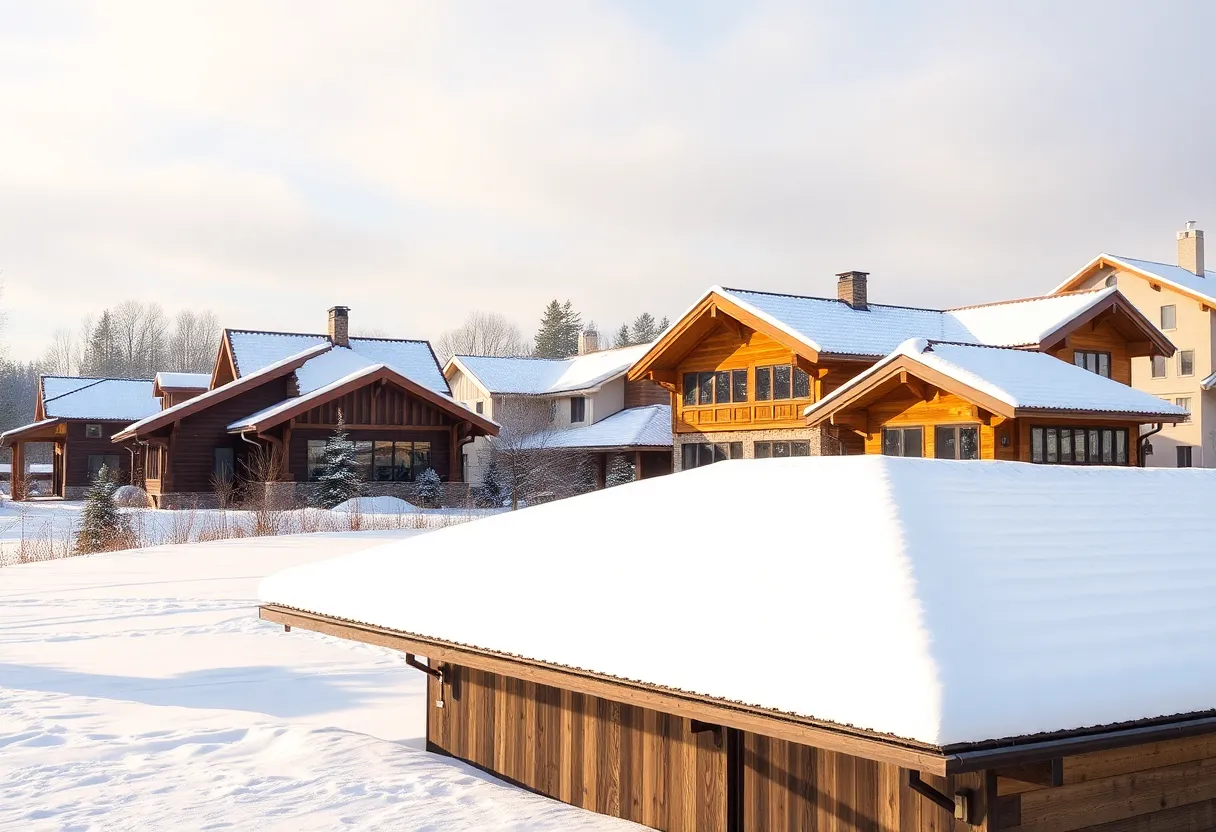
The design of a roof is critical to the overall strength and integrity of a structure, especially in regions that experience substantial snowfall. Effective snow load management can prevent roof collapses and structural damage. This article outlines key considerations and design choices that will help homeowners and builders select the right roof structures for optimal snow load management.
Understanding Snow Loads
Before discussing roof designs, it is essential to comprehend what snow loads are. Snow load refers to the weight of accumulated snow on a roof. Factors influencing snow loads include:
- Geographical Location: Areas that receive heavy snow will inevitably experience higher snow loads.
- Roof Slope: The pitch of a roof affects snow accumulation. Flat roofs tend to accumulate more snow than pitched roofs.
- Design Considerations: Certain roof designs facilitate snow shedding, while others may trap snow.
Accurate calculations of snow loads are fundamental for adequate roof design and structural integrity.
Key Roof Designs for Snow Load Management
1. Gable Roofs
Gable roofs are characterized by their triangular shape, consisting of two sloping sides. This design effectively facilitates snow shedding. The advantages of gable roofs include:
- Efficient Water Drainage: Snow slides off easily due to the steep pitch.
- Reduced Snow Accumulation: Less snow collects on the surface as compared to flat or low-pitched roofs.
However, it is crucial to ensure that gable roofs are adequately braced to handle potential wind loads, especially in areas prone to winter storms.
2. Hip Roofs
Hip roofs feature slopes on all four sides, offering a more stable structure under snow load. They provide several benefits:
- Enhanced Stability: The design ensures better wind resistance, reducing the risk of roof failure.
- Improved Aesthetics: Hip roofs are often considered visually appealing.
Though they are effective in snow load management, maintaining the roof’s structural integrity through quality materials is vital.
3. Shed Roofs
Shed roofs are characterized by a single slope, making them extremely efficient for snow management. They allow snow to slide off quickly and possess distinct advantages:
- Easy Installation: Shed roofs are simpler to construct, leading to lower labor costs.
- Effective Snow Management: Their design ensures minimal snow retention, significantly reducing load stress.
However, it’s worth noting that shed roofs require proper drainage to prevent water backup during thawing cycles.
Roof Pitches and Snow Load
The pitch of a roof is a pivotal factor in managing snow loads. Roof pitch refers to the angle at which the roof rises. Here are key points regarding pitch:
- Steeper Pitches: Roofs with a slope greater than 6:12 typically shed snow more effectively.
- Gentler Pitches: Roofs with lower slopes can accumulate snow, increasing load stress.
Choosing an appropriate pitch is essential to minimize the risks associated with heavy snowfall.
Material Selection
The materials used in roofing can significantly influence snow load management. Consider the following:
1. Weight of Roofing Materials
Heavier materials like slate or concrete can increase the overall weight burden on the roof. Conversely, lightweight options such as metal or asphalt shingles are less detrimental in snowy conditions.
2. Durability and Flexibility
Materials should have durable properties, able to withstand freeze-thaw cycles without cracking or warping. Metal roofs, for example, offer flexibility and excellent performance against snow loads.
Additional Considerations
1. Roof Insulation
Proper insulation can prevent heat loss, minimizing the risk of ice dams that contribute to snow load issues. Strategies include:
- Adding Insulation: Quality insulation materials limit thermal bridging and ensure a consistent temperature.
- Ventilation Systems: Adequate ventilation allows for air circulation, reducing snow accumulation through temperature regulation.
2. Local Building Codes
Every jurisdiction has specific building codes regarding snow loads. Compliance with these requirements is non-negotiable. Consult local building authorities to ensure your design meets the necessary criteria.
3. Evaluate Historical Weather Patterns
Historical data on snowfall can inform decisions on roof design. Areas with frequent heavy snowfall require more robust structural considerations compared to regions with minimal accumulation.
Conclusion
Choosing the right roof design for optimal snow load management involves a comprehensive understanding of factors such as roof type, pitch, material selection, and local climate conditions. Gable, hip, and shed roofs all offer distinct benefits for snow management, while appropriate insulation and adherence to building codes are crucial for structural integrity.
The key to achieving a resilient roofing system lies in a balanced approach that considers aesthetics alongside functionality. This careful planning can significantly reduce the risks associated with snow loads, ensuring both safety and longevity for the structure.

 Mays Contracting