
How to Choose the Right Roofing Design for Maximum Resilience Against Climate Challenges
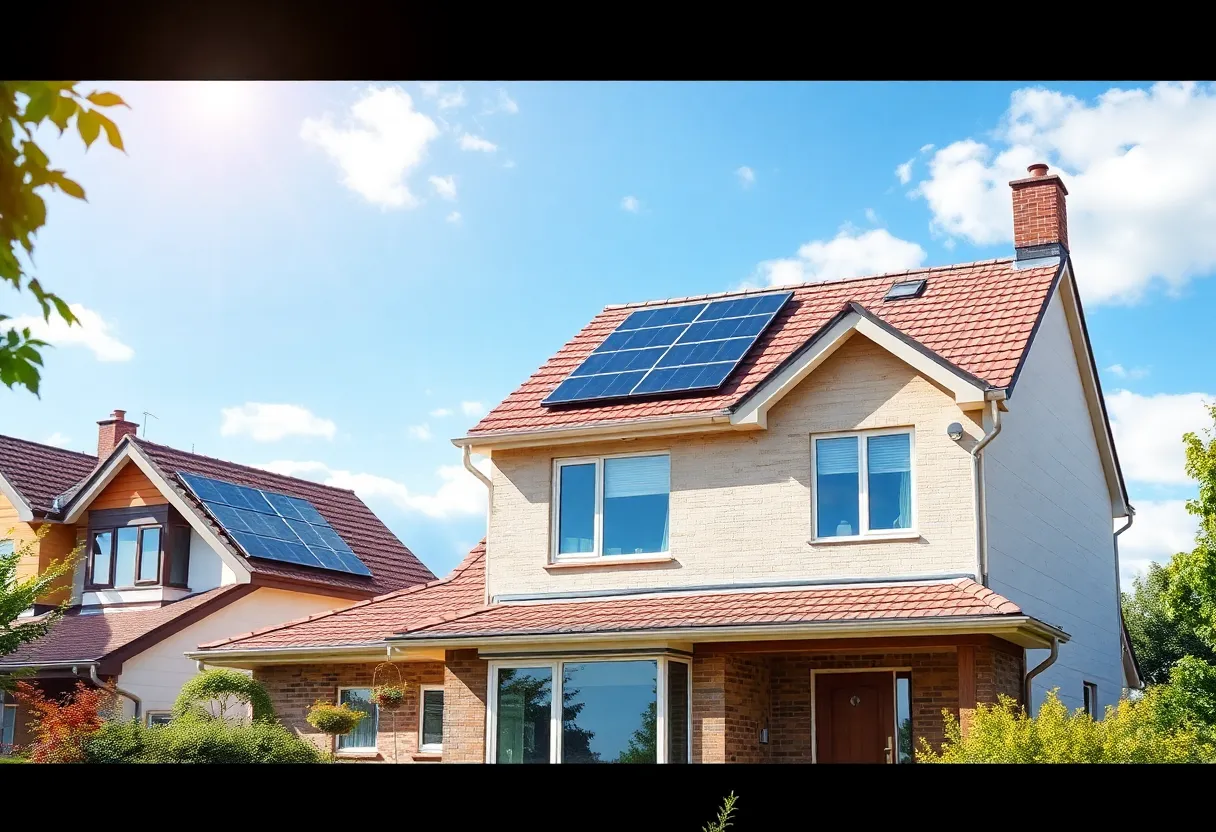
Choosing the right roofing design is an essential consideration for homeowners. A roof not only provides protection from environmental elements but also contributes to the overall aesthetic and energy efficiency of a home. With climate change leading to more severe weather patterns, it’s critical to select a roof that can withstand these challenges. This article outlines key factors to consider when choosing a roofing design that maximizes resilience against climate challenges.
Understanding Climate Challenges
Before delving into roofing designs, it is important to understand the different climate challenges a roof may face:
- Extreme Temperatures: High heat or cold can affect the roofing materials’ durability.
- Heavy Rainfall: Regions prone to heavy rain necessitate roofs that effectively channel water.
- Snow and Ice: In areas with heavy snowfall, roofs must support weight loads and prevent ice dams.
- High Winds: Winds can lift roofing materials, making strong designs essential for coastal areas.
- Sun Exposure: UV rays can degrade roofing materials over time.
Key Considerations for Roofing Design
Selecting a roofing design that offers maximum resilience involves various considerations:
1. Material Selection
Material plays a pivotal role in the roof’s longevity and performance. Here are some common materials and their strengths:
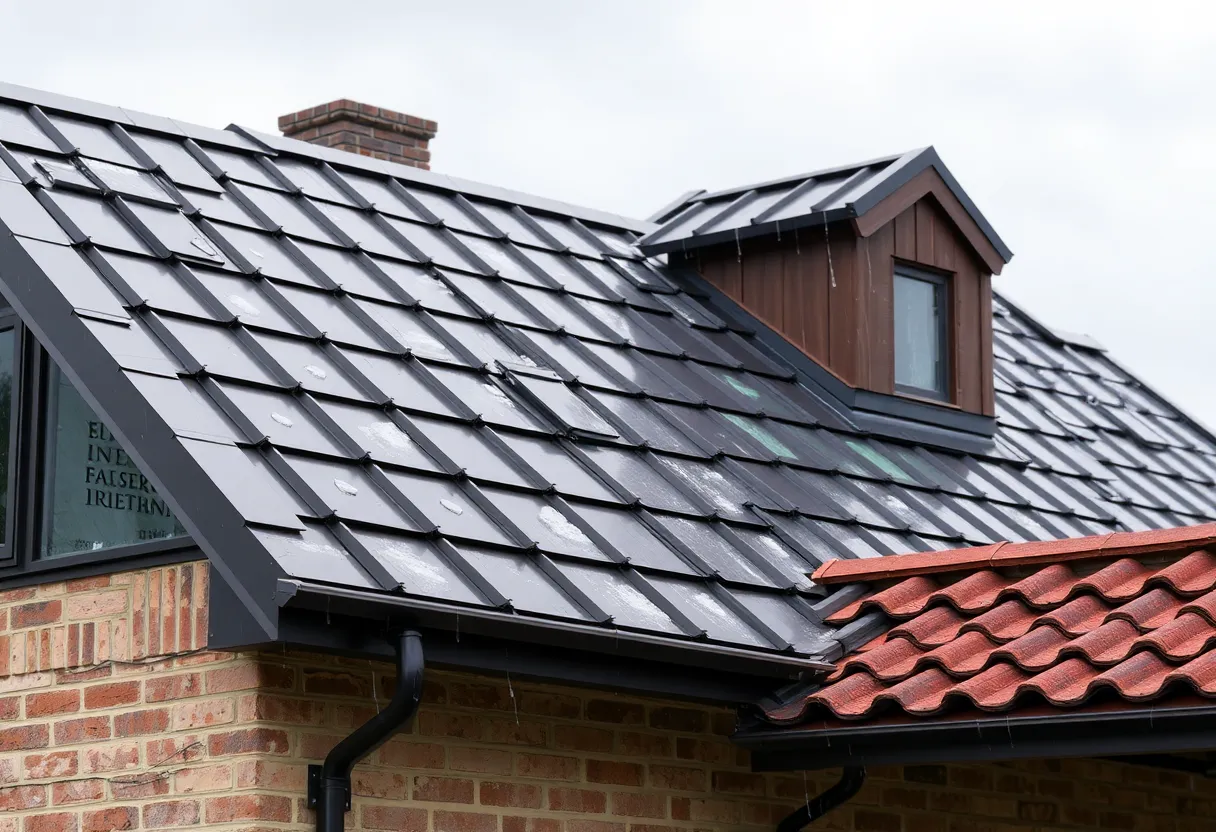
- Metal Roofing: Highly durable and resistant to wind, metal roofs also reflect UV rays, which can lower cooling costs in hot climates.
- Clay and Concrete Tiles: Excellent for high heat and wind resistance, these tiles are ideal for arid and windy conditions but can be heavy.
- Asphalt Shingles: Popular for their affordability, they do require regular maintenance and may not hold up well in extreme weather.
- Slate Roofing: Extremely durable and aesthetically appealing, slate roofs are also resistant to fire and extreme weather, but they are costly.
2. Design Shape and Slope
The shape and slope of a roof significantly impact its resilience. Here’s why:
- Pitched Roofs: Steeply pitched roofs allow for quicker drainage of rain and snow, reducing the risk of ice dams.
- Low-Slope Roofs: Often easier to install, they may require additional measures such as built-in drainage systems to handle heavy rainfall.
- Gabled Roofs: Effective for high-wind areas, the triangular shape helps to deflect gusts.
- Hip Roofs: More stable in windy conditions, hip roofs also offer greater resistance to shingles being uplifted.
3. Proper Ventilation
Ensuring proper ventilation is crucial for preserving the integrity of a roof. Here are the key points:
- Temperature Regulation: Adequate ventilation helps regulate temperature and prevent the accumulation of heat in summer, which can lead to premature aging of roofing materials.
- Moisture Control: Good ventilation reduces humidity, preventing mold and mildew development.
- Ice Dam Prevention: In winter, proper ventilation helps keep temperatures consistent, preventing ice dams that can damage roofs and interiors.
4. Local Climate and Weather Trends
Understanding local climate trends is paramount in selecting a roofing design:
- Research Historical Weather Data: Knowing your area’s weather patterns helps inform the best material and design choices.
- Consider Regional Building Codes: Compliance with local regulations may dictate certain requirements for wind uplift or fire resistance.
5. Sustainability Practices
Modern roofs can also benefit from sustainable practices, contributing to climate resilience:
- Green Roofing: Vegetative roofs provide insulation, improve air quality, and manage stormwater effectively.
- Cool Roof Technology: These roofs are designed to reflect more sunlight and absorb less heat, leading to lower energy costs.
- Recyclable Materials: Opting for materials that can be recycled helps reduce environmental impact and often enhance durability.
Best Roofing Designs for Resilience
Given the considerations outlined, here are some roofing designs that exemplify resilience:
1. Metal Roofs
Metal roofs are known for their durability and resistance to high winds and heavy rain. They can withstand extreme temperatures and are non-combustible, making them ideal for fire-prone areas. The reflective properties of metal materials also contribute to energy efficiency.
2. Slate Roofs
This luxurious option is one of the most durable available. Slate roofs have exceptional resistance to weather conditions and can last over a century with proper maintenance. Their weight necessitates a strong building structure but offers unparalleled longevity when properly installed.
3. Asphalt Shingles with Architectural Design
While standard asphalt shingles may not offer the highest resilience, architectural shingles can provide improved durability and aesthetic appeal. They are available in various styles and colors and can mimic the appearance of more expensive materials.
4. Tile Roofs
Tile roofing is extremely durable and can withstand harsh weather. The heavy nature of clay or concrete tiles makes them ideal for high-wind regions. Aside from their resilience, tile roofs offer excellent thermal properties, keeping homes cooler in summer.
Final Considerations
Choosing the right roofing design requires a comprehensive understanding of material properties, design shapes, local climate conditions, and sustainability options. To ensure optimal performance, consider consulting with a qualified roofing contractor who can assess your specific needs and recommend an appropriate design.
In conclusion, a well-designed roof can significantly enhance your home’s resilience against climate challenges. Investing time and resources in selecting the right roofing design ultimately saves money on repairs and replaces in the long term. A resilient roof not only protects your physical space but also contributes to overall energy efficiency and environmental sustainability.

 Mays Contracting