

How to Create a DIY Roof Plan That Lasts: Essential Steps for Homeowners
Designing and constructing a rooftop can seem daunting. However, with a clear DIY roof plan, you can create a durable structure that stands the test of time. This guide provides a step-by-step approach to help homeowners develop a strategic plan for their roofing project.
Understanding Your Roofing Needs
Assess Your Current Roof
Begin by inspecting your existing roof. Identify signs of damage such as missing shingles, leaks, or sagging. Document these issues with measurements and photographs to inform your new roofing plan.
Define Your Budget
Establish a realistic budget for your roofing project. Include costs for materials, tools, and any professional help you may require. Ensure you account for unexpected expenses to avoid financial strain during the project.
Consider Local Building Codes
Research local building codes and regulations pertinent to roofing. These rules will dictate material choices, structural specifications, and installation processes. Ignoring these regulations can lead to costly fines or the need to redo work.
Choosing Your Roofing Materials
Evaluate Material Options
Different roofing materials offer various advantages and drawbacks. Here are some popular options:
- Asphalt shingles: Affordable and easy to install; suitable for varied climates.
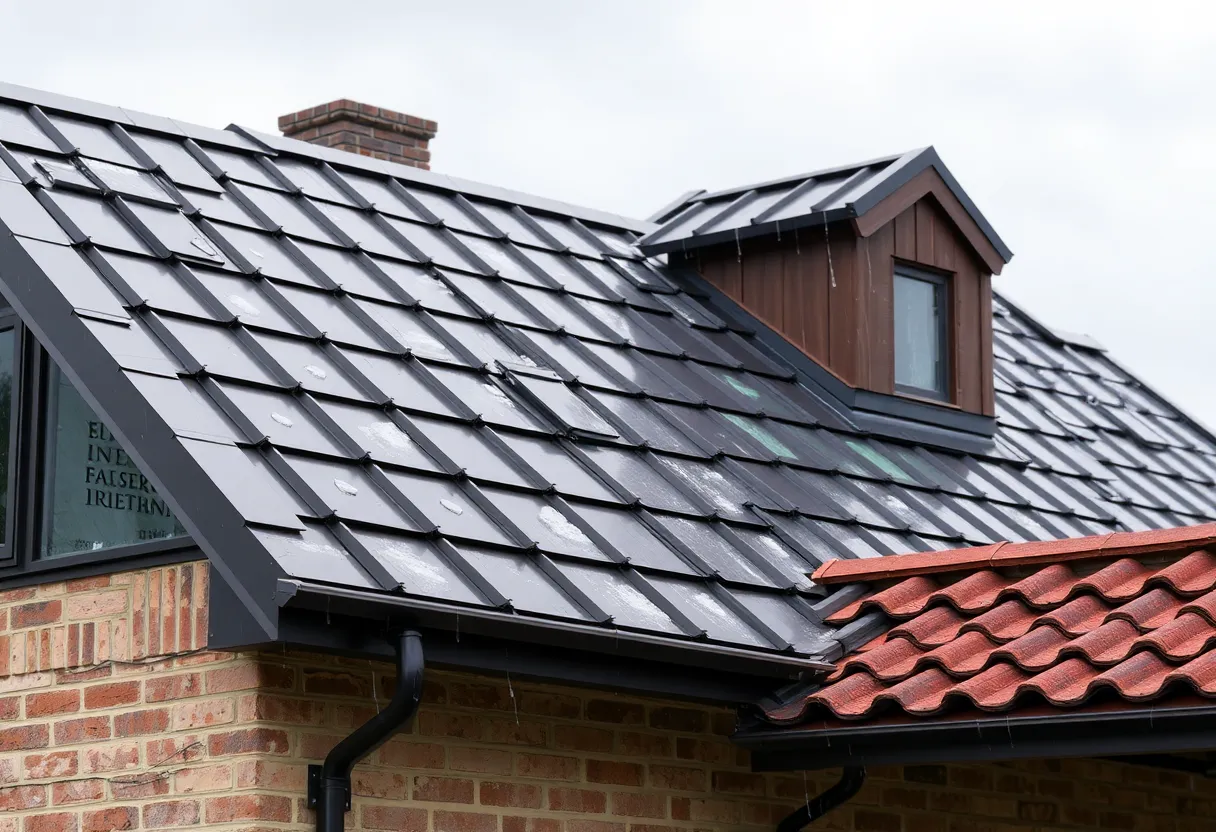
- Metal roofing: Highly durable and energy-efficient; reflects heat well.
- Tile roofing: Long-lasting and aesthetically pleasing; often used in warmer climates.
- Flat roofing membranes: Effective for low-slope roofs; offers easy maintenance.
Consider the Climate
Your geographical location will significantly impact the choice of roofing materials. For example, metal roofs are preferred in areas with heavy rainfall, while tiles are ideal for hot, dry climates.
Creating the Roof Plan
Gather Necessary Tools and Supplies
Having the right tools will make the process much more manageable. Essential equipment includes:
- Measuring tape
- Chalk line
- Tile or shingle cutter
- Ladder and scaffolding
- Safety gear (gloves, goggles, hard hat)
Measure the Roof Area
Accurate measurements are essential for a successful roof plan. Measure the length and width of each section of your roof. Multiply these dimensions to find the total square footage. Ensure you account for any dormers or features that might affect the shape of your roof.
Develop a Detailed Blueprint
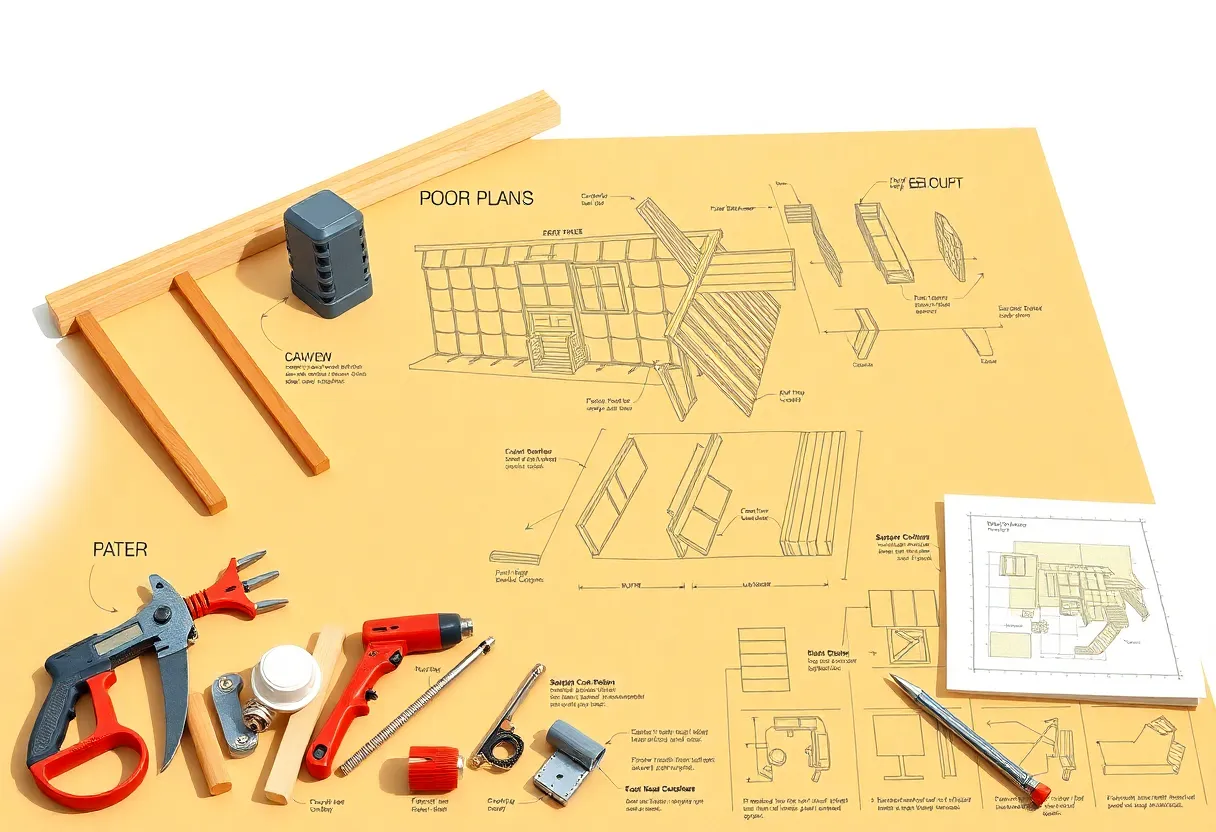
Based on your measurements, create a comprehensive blueprint of your roof plan. This document should include:
- Dimensions of each section
- Types of materials to be used
- Installation methods for each material
- Details regarding underlayment and insulation
Preparing for Installation
Clear the Work Area
Before commencing, ensure the work area is clear of debris and hazards. Trim any branches that may obstruct your work and remove loose tiles or shingles from the existing roof.
Schedule the Right Time
Timing is crucial for any roofing project. Choose a period with minimal chance of rain or severe weather to ensure optimal working conditions. Additionally, consider factors such as temperature, as extreme conditions can affect material performance.
Execution of the Roof Plan
Safety First
Prioritize safety throughout the project. Use proper safety gear and ensure ladders are stable. Never work alone on the roof, as having someone to assist can prevent accidents.
Follow the Installation Guidelines
Adhere to the installation instructions provided by the material manufacturer. Missteps can lead to complications or reduced longevity of the roof.
Incorporate Underlayment
Install an underlayment before applying your primary roofing material. This layer serves as a weather-resistant barrier and enhances insulation. Choose an underlayment suitable for your roof type for maximum efficiency.
Post-Installation Considerations
Conduct a Thorough Inspection
After installation, conduct a comprehensive inspection of your new roof. Look for any visible issues such as misaligned shingles, gaps, or improper sealing. Address any problems promptly to avoid future complications.
Regular Maintenance
To extend the life of your roof, engage in regular maintenance practices, including:
- Cleaning gutters and downspouts
- Inspecting for algae or moss growth
- Checking for loose or missing shingles
Conclusion
Creating a DIY roof plan requires careful planning and consideration. By assessing your current roof, choosing suitable materials, and following a structured installation process, you can achieve a durable, long-lasting roof. With diligence and regular maintenance, your DIY roof will not only enhance the beauty of your home but also provide lasting protection against the elements.

 Mays Contracting