
How to Diagnose Roof Problems: A Comprehensive DIY Guide for Homeowners
Roof issues can escalate quickly, leading to costly repairs and significant damage. This guide aims to provide homeowners with the tools and knowledge required to diagnose common roof problems effectively. Early detection is crucial, allowing for timely intervention and prevention of further damage.
Understanding Common Roof Problems
Before diving into diagnosis, it’s essential to recognize prevalent roof issues that may require attention:
1. Missing or Damaged Shingles
Shingles serve as a protective barrier for your home. If you notice any missing, cracked, or curled shingles, it may indicate more significant underlying issues.
2. Roof Leaks
These are among the most common problems homeowners face. Leaks often occur during rain and can lead to water damage inside your home.
3. Sagging Rooflines
A sagging roof can indicate structural problems. This may result from accumulated water in low spots or deteriorating supporting structures.
4. Mold and Mildew Growth
Dark stains on interior ceilings or walls can signal moisture intrusion. Mold and mildew thrive in damp conditions, posing health risks.
Steps to Diagnose Roof Problems
Once you’re familiar with potential issues, follow these steps to diagnose your roof’s condition.
1. Visual Inspection
Conducting a comprehensive visual examination of your roof is the first step. Here’s how to proceed:
a. Safe Access
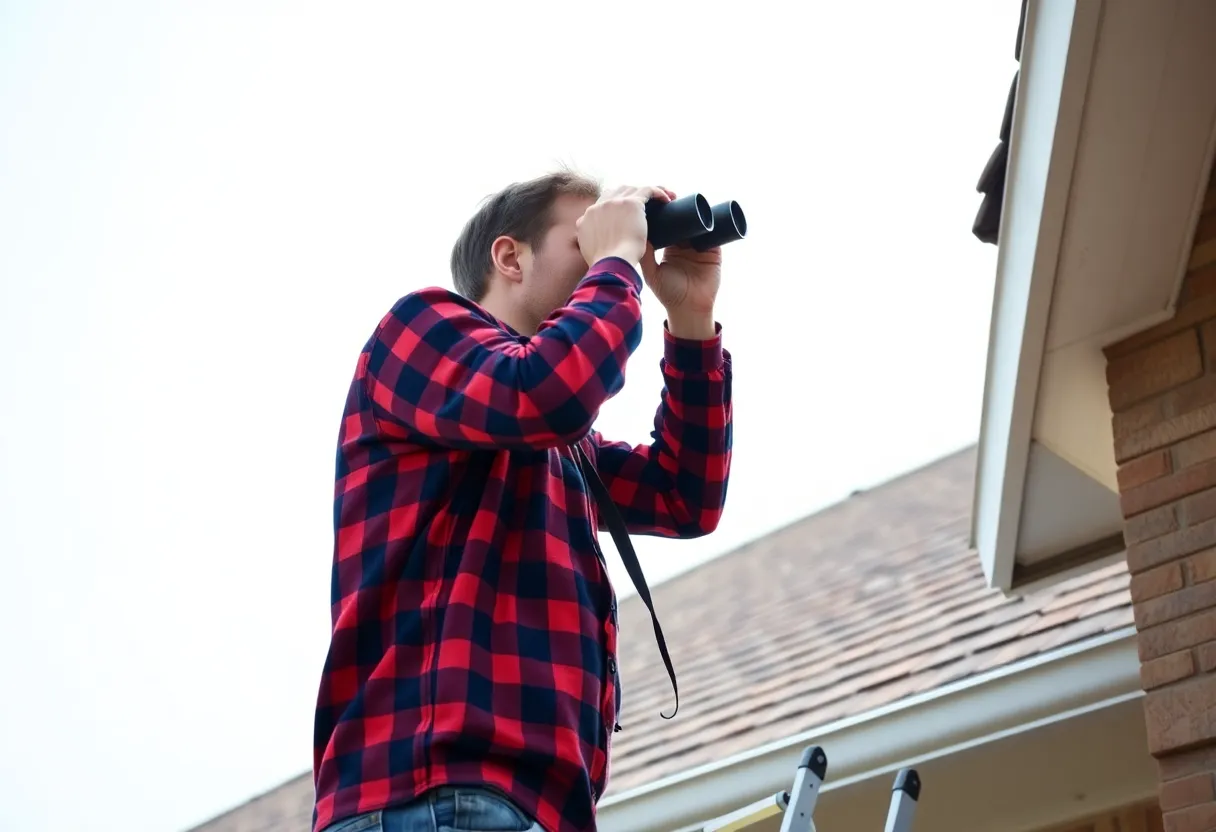
Use a stable ladder to access the roof or opt for binoculars to view high spots from the ground level. Ensure you follow safety protocols to avoid accidents.
b. Inspect Shingles
Look for shingles that are cracked, lifted, or missing. Pay special attention to areas around projections like chimneys and vents.
c. Examine Flashing
Flashing, often found in valleys and around chimneys, directs water flow. Check for rust spots or gaps that could lead to leaks.
d. Look for Debris
Branches, leaves, and other debris can impede water flow, causing blockages. Clear any build-up found on the roof.
2. Check for Water Intrusion
Check the interior of your home for signs of water intrusion:
a. Inspect the Attic
Look for water stains or mold on attic walls and ceilings. Signs of dampness can indicate roof leaks needing immediate attention.
b. Ceiling and Wall Checks
Inspect ceilings and walls throughout your home for obvious stains or discoloration. These can suggest that leaks are present.
3. Assess Roof Structure
Pay attention to the overall structure of your roof:
a. Check for Sagging or Drooping
Use a level or a straight edge to determine if any sections of your roof sag. A noticed dip can indicate structural concerns that should be inspected by professionals.
b. Evaluate Gutters and Downspouts
Ensure that gutters are functioning correctly and directing water away from your roof and foundation. Clogged gutters can lead to water damage.
4. Look for Signs of Pests
Pests can severely impact the durability of your roof. Here’s what to consider:
a. Inspect for Pest Nests
Birds, squirrels, or insects can create nests in your roofing materials. Their presence can cause damage over time, necessitating removal.
b. Check for Droppings
Pest droppings can indicate activity in the area. Any indication of infestation should prompt you to evaluate potential damages.
Tools Required for Roof Diagnosis
Before you start, gather the following tools:
- Ladder
- Binoculars
- Flashlight
- Measuring tape
- Level
- Safety harness
- Camera for documentation
Safety Precautions
Prioritize safety when diagnosing roof problems:
1. Use Proper Equipment
Always wear a safety harness when working on your roof. Use a stable ladder and ensure it’s placed on flat ground.
2. Seek Help
If you’re uncomfortable with heights or roofing work, consider involving a trusted friend or hiring a professional for assistance.
When to Consult a Professional
While many minor issues can be diagnosed and addressed personally, some problems necessitate the expertise of professionals:
1. Major Structural Issues
If you find significant sagging or other structural deficiencies, consult a roofing professional right away.
2. Persistent Leaks
Multiple leaks or difficulty locating a single source might require professional evaluation.
3. Complex Roofing Systems
For roofs with intricate designs or multiple levels, the diagnostic process can be more complicated than DIY methods allow. When in doubt, seek professional support.
Maintenance Tips to Prevent Future Issues
After identifying and repairing any roof problems, implementing maintenance practices can prevent future issues:
1. Regular Inspections
Conduct seasonal inspections to catch potential problems early. Regular observations can minimize the risk of significant damage.
2. Keep Gutters Clean
Maintain clean and functional gutters to ensure proper water flow from your roof, protecting both its structure and your home’s foundation.
3. Trim Overhanging Trees
Ensure that branches are trimmed back from your roof. Overhanging limbs can lead to debris accumulation and potential damage during storms.
Conclusion
Diagnosing roof problems is a vital skill for homeowners aiming to protect their investments and maintain their home’s integrity. By following the steps outlined herein and remaining vigilant, homeowners can identify potential issues early, thereby mitigating risks of severe damage. Always prioritize safety and consult with professionals when necessary to ensure the longevity and reliability of your roof.
In summary, understanding common roof problems and following a systematic approach to diagnosis can save you time and money in the long run. Stay educated, proactive, and prepared to keep your roof in optimal condition.

 Mays Contracting