The escalating global appetite for artificial intelligence capabilities is creating a ripple effect across the technology supply chain, with experts noting that the intense demand for high-performance memory and storage components could translate into increased prices for consumer devices. This trend, observed across technology and business sectors, suggests that the competition for these critical components is tightening, impacting manufacturers of everything from personal computers to gaming consoles.
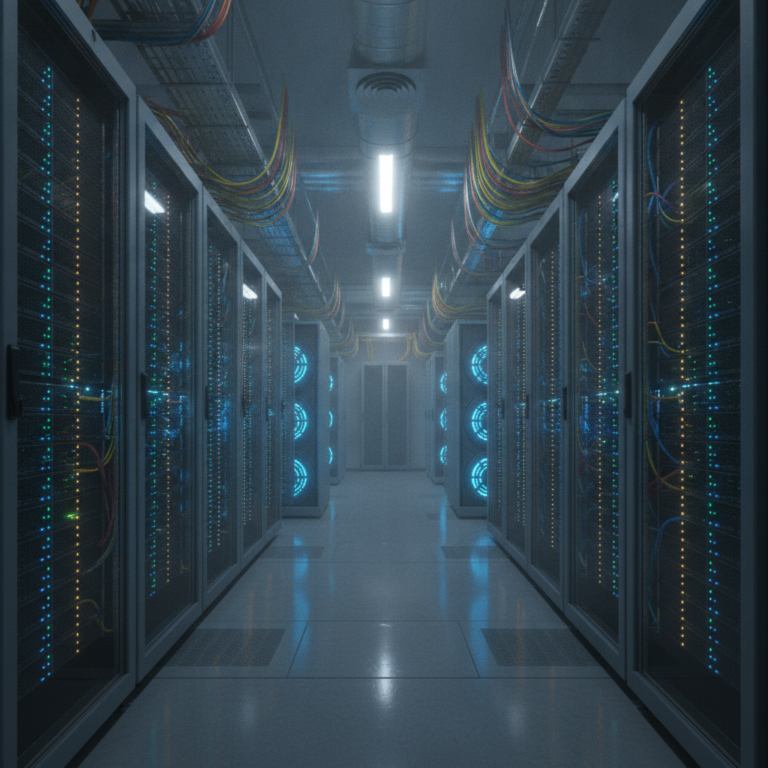
At the heart of this dynamic is the exponential growth of AI systems. Training and operating sophisticated AI models, particularly large language models and advanced machine learning algorithms, require immense computational power and, crucially, vast quantities of specialized memory. These include high-bandwidth memory (HBM) and advanced NAND flash storage, which are essential for processing the massive datasets that fuel AI development. Data centers and major technology companies are investing heavily in AI infrastructure, creating an unprecedented demand for these components.
The challenge arises because many of the same semiconductor manufacturers produce memory chips for both these high-end AI applications and the more common consumer electronics market. As AI-driven demand intensifies, manufacturers are increasingly prioritizing the production of these specialized, often more profitable, components for AI servers. This shift in manufacturing focus can lead to a reduced supply of standard memory modules and storage drives available for consumer-grade products.
This diversion of manufacturing capacity and resources creates a bottleneck for consumer device makers. With a tighter supply of essential memory and storage components, these manufacturers may face higher procurement costs. Historically, such increases in component costs are often passed on to the end consumer, resulting in higher retail prices for new smartphones, laptops, desktop computers, and video game consoles. While specific price guarantees are not being made, the underlying market forces indicate a clear potential for upward price pressure.
The implications extend across the entire consumer electronics landscape. Individuals looking to upgrade their personal computers, students purchasing new laptops for academic pursuits, or families considering the latest gaming consoles may encounter these elevated prices. The global nature of the semiconductor industry means that these supply chain pressures are felt universally, affecting markets like Greenwood just as they would larger metropolitan areas.
This evolving market condition highlights the interconnectedness of the global technology ecosystem. Innovations in one sector, such as artificial intelligence, can have broad and sometimes unexpected consequences for other segments, including the everyday devices that consumers rely on. As AI continues its rapid ascent, the competition for vital hardware components is expected to remain a significant factor in consumer electronics pricing for the foreseeable future.
### Why it matters in Greenwood
The potential for increased consumer device prices holds relevance for residents and institutions across Greenwood. Students attending Lander University or Piedmont Technical College, for instance, frequently rely on up-to-date laptops and computing devices for their coursework and research. Similarly, employees at major employers like Self Regional Healthcare or Eaton Corporation often depend on personal technology for communication, productivity, and staying connected. Any upward pressure on the cost of these essential tools could impact household budgets and educational planning within Greenwood County. The broader economic implications mean that local retailers selling electronics may also navigate altered market conditions, reflecting the global shifts in technology supply and demand.