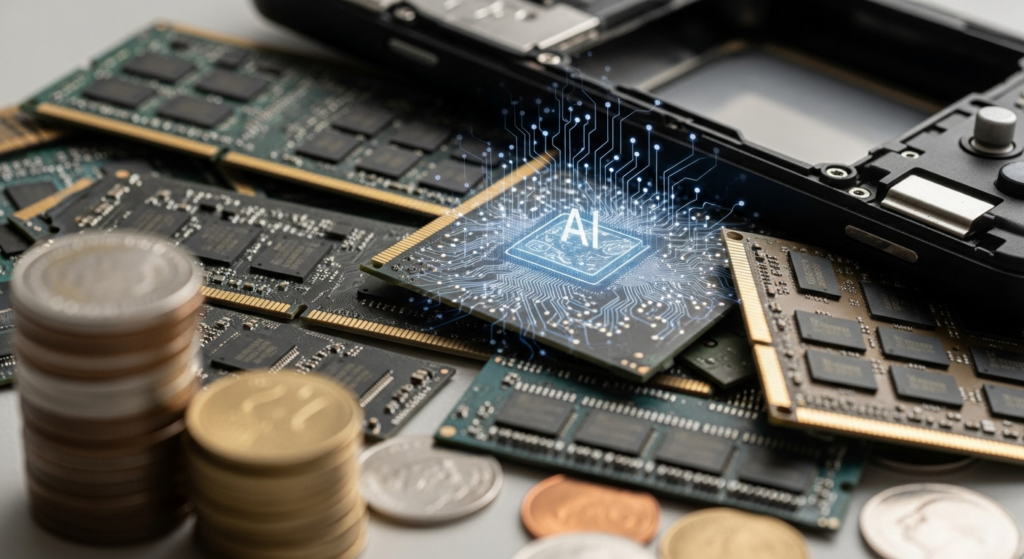
Global demand for high-performance memory chips, a critical component in the burgeoning artificial intelligence sector, is beginning to exert significant upward pressure on the prices of consumer electronics worldwide. This shift in the technology supply chain means that residents of Greenwood, like consumers across the nation, may encounter higher costs when purchasing new smartphones, laptops, and gaming consoles.
The underlying dynamic stems from the specialized and immense computational needs of artificial intelligence systems. Training sophisticated AI models, particularly large language models and advanced machine learning algorithms, requires vast quantities of data to be processed at extremely high speeds. This necessitates memory components that can handle intensive parallel processing and rapid data transfer, such as High Bandwidth Memory (HBM) and advanced forms of Dynamic Random-Access Memory (DRAM).
Semiconductor manufacturers, responding to the lucrative and rapidly growing AI market, are increasingly reallocating their production capacities and research and development resources toward these high-margin, high-demand AI-specific memory solutions. This strategic pivot, while essential for advancing AI capabilities, inevitably impacts the supply of more conventional memory and storage components — like standard DRAM and NAND flash storage — that are fundamental to consumer-grade electronics.
The consequence is a tightening of the supply for components used in everyday devices. When supply becomes constrained, and demand remains steady or grows, prices tend to rise. This economic principle is now playing out across the global technology landscape, with various technology and business outlets reporting on the direct link between AI infrastructure demand and the escalating costs of memory and storage supplies for consumer products.
For consumers, this translates into potentially higher retail prices for a wide array of devices. A new smartphone, a laptop for work or school, or the latest gaming console all rely heavily on memory and storage chips. As the cost of these foundational components increases, manufacturers pass a portion of these elevated expenses onto the end-user. This trend is not a temporary blip but rather an ongoing market adjustment as the AI industry continues its rapid expansion and demands increasingly sophisticated hardware.
The impact extends beyond just the final price tag. Manufacturers may also face challenges in maintaining desired production volumes or incorporating the latest memory technologies into consumer devices without significantly increasing costs. This could lead to a slower pace of innovation in certain consumer segments or a greater differentiation in pricing between entry-level and premium devices, with the latter bearing the brunt of the component cost increases.
The phenomenon is global, affecting markets from Asia to Europe and across the United States. While the core drivers are international supply chain dynamics and technological advancements, the effects are felt locally. For families and individuals in Greenwood, understanding these broader market forces can be crucial when planning technology purchases, whether for personal use, educational needs, or small business operations.
This situation highlights the interconnectedness of the global technology ecosystem. Innovations in one sector, like artificial intelligence, can have far-reaching implications for seemingly unrelated markets, such as the pricing of a new tablet or a desktop computer. As AI continues to evolve and integrate into more aspects of daily life and industry, its demand for specialized hardware will likely remain a dominant factor in the semiconductor market for the foreseeable future.
### Why it matters in Greenwood
The rising cost of consumer electronics due to AI-driven memory demand has tangible implications for the Greenwood community. Local institutions such as Lander University and Piedmont Technical College, along with the Greenwood County School Districts (50, 51, 52), regularly procure computers, tablets, and other devices for students, faculty, and administrative staff. Increased hardware costs could strain technology budgets, potentially impacting access to up-to-date educational tools. For families across Bentley Park, Seven Oaks, and other Greenwood neighborhoods, budgeting for new laptops for students or upgrading household devices will require careful consideration amidst these market pressures. Local businesses, from small enterprises to larger employers like Self Regional Healthcare, also rely on robust and affordable technology infrastructure, making these global supply chain shifts a relevant economic factor for the city of Greenwood.