


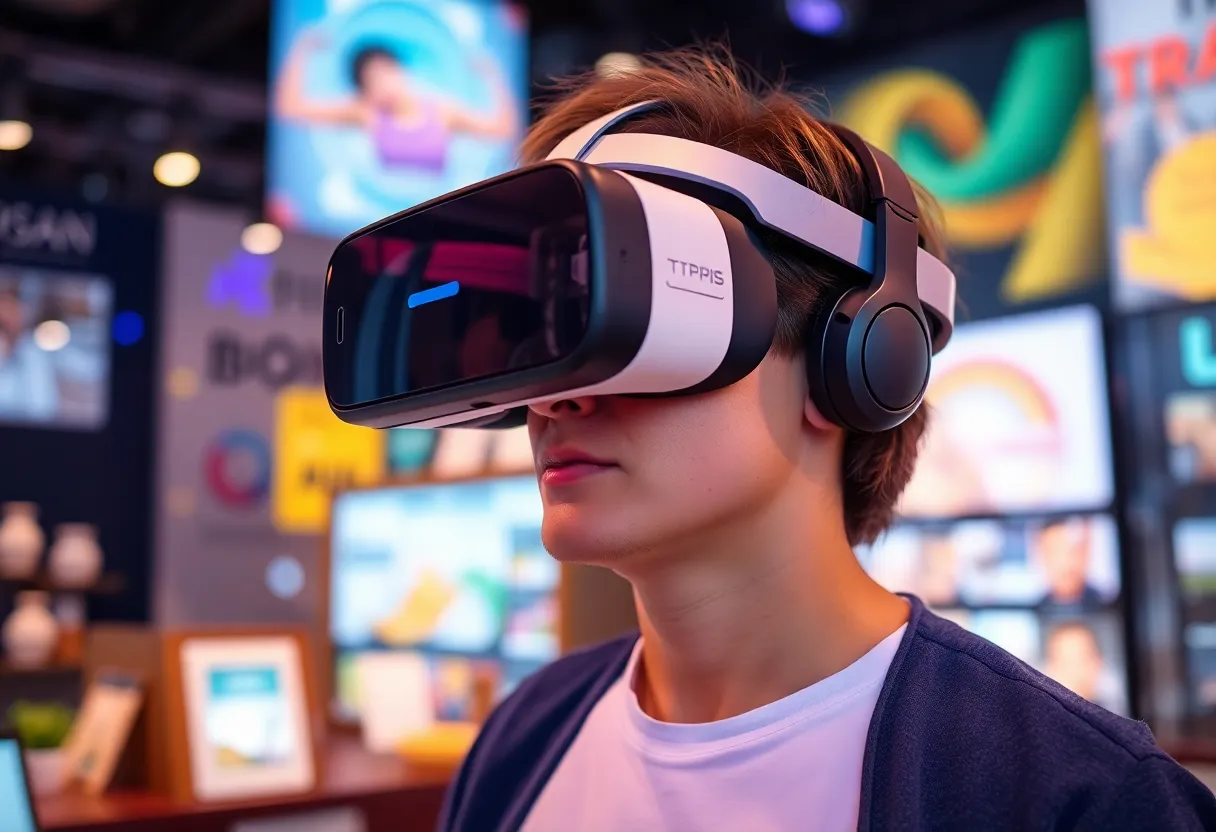
How Can You Use Virtual Reality to Enhance Customer Engagement in Digital Marketing?
Understanding Virtual Reality in Marketing
Virtual reality (VR) represents a revolutionary technology that immerses users in a digitally created environment. While traditionally rooted in gaming, VR has found a blossoming role in various industries, including digital marketing. It offers brands an innovative avenue to enhance customer engagement by providing immersive, memorable experiences. Engagement is the lifeblood of effective marketing, and virtual reality amplifies this by transforming passive interactions into active participation.
Creating Immersive Experiences
Transforming Product Demos
One straightforward application of VR in marketing is through enhanced product demonstrations. Conventional product showcases often fail to convey the experience of using a product fully. Virtual reality changes this by allowing customers to interact with products in a simulated setting, thus bridging the gap between curiosity and decision-making. For example, a car dealership can offer a virtual test drive, helping potential buyers feel the thrill of driving a vehicle without leaving their homes.
Virtual Showrooms and Retail Experiences
Physical retail spaces can be costly to maintain, while VR enables brands to create dynamic virtual showrooms. Customers can navigate through these three-dimensional settings, examining products closely, experimenting with configurations, and visualizing them in their own living spaces. This immersive shopping experience not only aids in customer decision-making but also keeps users engaged longer, increasing the likelihood of purchase.
Enhancing Brand Storytelling
Bringing Narratives to Life
Storytelling is crucial in digital marketing, and VR can take it to a new dimension. Brands can develop narratives that immerse customers into their core values, mission, and product journeys. A travel brand, for instance, can allow customers to experience a destination virtually, stirring emotions and creating a compelling desire to travel there. For emotional and experiential connections, VR storytelling becomes a formidable tool.
Interactive Brand Experiences
Engaging customers through interactivity fosters a sense of involvement. By integrating challenges or tasks that customers can complete in a VR setting, brands can create memorable interactions. This could be anything from virtual scavenger hunts to interactive games related to the product or service offered. Customers who actively participate in such experiences are more likely to remember the brand long after the interaction concludes.
Facilitate Customer Feedback and Insights
Real-time Interaction and Feedback
With virtual reality, brands gain the ability to collect real-time feedback. This feature is invaluable for understanding customer preferences and pain points. For instance, a fashion retailer could host a virtual fashion show where attendees can provide immediate reactions or suggestions on the designs they see. This insight allows brands to adapt swiftly and align their offerings with customer desires.
Data Collection Through Engagement
VR provides a unique channel for data collection. By monitoring how customers navigate a virtual space, brands can examine engagement metrics such as time spent on particular products or the paths taken through a digital showroom. This data can further inform marketing strategies, product placement, and customer preference trends.
Building Community and Customer Loyalty
Creating Shared Experiences
Virtual reality allows brands to create shared experiences that engage communities. By hosting virtual events or gatherings, businesses can foster a sense of belonging among their customers. Such communal experiences make consumers feel valued, leading to increased loyalty. For example, a brand could facilitate a virtual meetup where customers can discuss shared interests, participate in Q&A sessions, and receive exclusive updates.
Loyalty Programs and VR Rewards
Incorporating loyalty programs with VR offers can also boost customer engagement. Brands can reward customers with virtual experiences in exchange for purchases or participation. By offering an exclusive VR workshop or behind-the-scenes access as part of a loyalty program, businesses cultivate an environment of ongoing engagement. Such strategies deepen emotional connections with the brand, encouraging repeat interactions.
Addressing Challenges in VR Marketing
Cost and Accessibility
While the benefits of virtual reality in marketing are substantial, challenges exist. The initial investment for developing high-quality VR experiences can be significant. Brands need to weigh the costs against potential returns on investment. Moreover, accessibility poses another issue. Not all consumers possess the necessary equipment to access VR content, potentially limiting audience reach.
Content Quality and User Experience
The success of a VR marketing campaign significantly depends on the quality of the content. Brands must prioritize creating an engaging and seamless user experience. Poorly designed VR experiences can lead to frustration, disengagement, and negative brand perception. Thus, it is essential to conduct thorough testing and gather user feedback during the development phase to ensure optimal engagement.
Future Trends in VR and Customer Engagement
Advancements in Technology
The future of virtual reality in digital marketing looks promising. Ongoing advancements in technology will likely lead to improved VR experiences that are more affordable and easier to access. Emerging trends, such as augmented reality (AR) blending with VR, could further enhance customer interactions. For instance, AR features may allow customers to visualize how a piece of furniture will look in their home before making a purchasing decision.
Sustainability and Ethical Marketing
Moreover, as consumers become more conscious of sustainability, brands can leverage VR to demonstrate their environmentally-friendly practices. Virtual tours of sustainably sourced products or virtual conference participation can highlight a brand’s commitment to ethical marketing, resonating with eco-conscious consumers.
Conclusion
Virtual reality provides brands with innovative strategies to enhance customer engagement in digital marketing. By offering immersive experiences, facilitating real-time feedback, and building brand loyalty, VR transforms how brands connect with their customers. Although challenges in cost and accessibility exist, ongoing advancements offer exciting possibilities for the future. As technology evolves, so too will the ways in which brands engage their customers, making VR an essential tool in modern marketing.

Author: HERE Greenwood
The GREENWOOD STAFF WRITER represents the experienced team at HEREGreenwood.com, your go-to source for actionable local news and information in Greenwood, Greenwood County, and beyond. Specializing in "news you can use," we cover essential topics like product reviews for personal and business needs, local business directories, politics, real estate trends, neighborhood insights, and state news affecting the area—with deep expertise drawn from years of dedicated reporting and strong community input, including local press releases and business updates. We deliver top reporting on high-value events such as the Festival of Flowers, Greenwood Community Theatre performances, and agricultural showcases at the Greenwood County Fairgrounds. Our coverage extends to key organizations like the Greenwood Chamber of Commerce and the Greater Greenwood United Ministry, plus leading businesses in manufacturing and healthcare that power the local economy such as FujiFilm Manufacturing and Self Regional Healthcare. As part of the broader HERE network, including HERECharleston.com, HEREColumbia.com, HEREGreenville.com, and HEREHiltonHead.com, we provide comprehensive, credible insights into South Carolina's dynamic landscape.