
How Do I Know If My Roof Can Handle Heavy Snow Loads?
Understanding whether your roof can support heavy snow loads is crucial for homeowners, especially in regions prone to winter storms. Proper evaluation can prevent property damage and ensure safety during harsh weather conditions.
Understanding Snow Loads
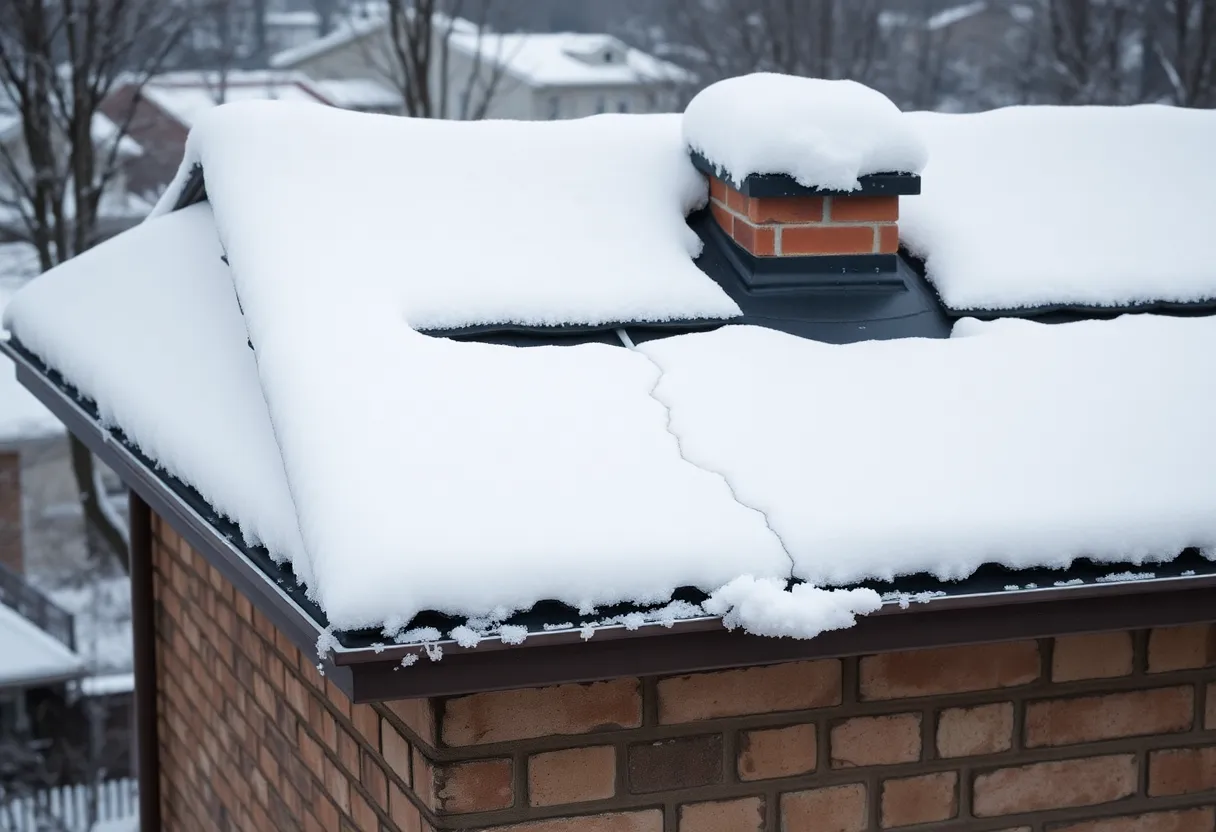
Snow load refers to the weight of snow that accumulates on a roof. It varies based on factors such as geographic location, roof slope, and building design. In general, the snow load is calculated using the ground snow load and adjusted for other variables.
Key Factors Influencing Snow Load
- Ground Snow Load: This is a crucial measurement taken from historical data in your area.
- Roof Design: The structure, slope, and materials of the roof play a significant role.
- Climate Conditions: The likelihood of heavy snow and the density of snow can vary widely.
Calculating Roof Snow Load Capacity
To determine if your roof can handle heavy snow loads, consider the following formulas and guidelines.
Basic Calculations
A common equation for calculating the load is:
Load (psf) = (Depth of Snow in inches) x (Weight of Snow per Cubic Foot)
The average weight of snow is about 20 pounds per cubic foot when it is dry and can be up to 58 pounds per cubic foot when wet. Run these calculations using the predicted snow depth for your area to get an estimated load.
Local Building Codes
Each region has codes defining the minimum acceptable snow load for structures. Adhering to these codes ensures safety and compliance. Check your local building authority to find specific requirements.
Assessing Your Roof Structure
Every roof is built differently, and understanding its structure can give insights into its load-bearing capacity.
Types of Roof Designs
- Flat Roofs: These have a lower slope, making them prone to holding snow. Regular maintenance and snow removal are critical.
- Pitched Roofs: Sloped roofs facilitate snow sliding off, reducing accumulation risk. The pitch angle can affect how quickly snow slides off.
Materials and Construction
The material used in roofing can greatly influence its strength. Materials such as wood trusses and steel beams have different load capacities. Understanding the materials and construction type used in your roof will provide additional clarity on its ability to withstand snow loads.
Signs of Roof Stress
Being observant can help you determine if your roof is experiencing undue stress from snow accumulation.
Visible Signs
- Crooked or Sagging Roof Lines: Any noticeable bending or sagging can indicate structural strain.
- Cracks in Walls or Ceilings: This could suggest shifting or settling due to excess weight.
- Dips or Bulges: Heightened areas can point towards problematic snow loads.
Preparing Your Roof for Snow
Prevention and preparedness are essential elements in handling heavy snow loads on your roof.
Regular Inspections
Conducting regular roof inspections, especially before winter, helps identify vulnerabilities. Look for:
- Damaged shingles or tiles.
- Signs of moisture intrusion.
- Gutter blockages preventing proper drainage.
Snow Removal Techniques
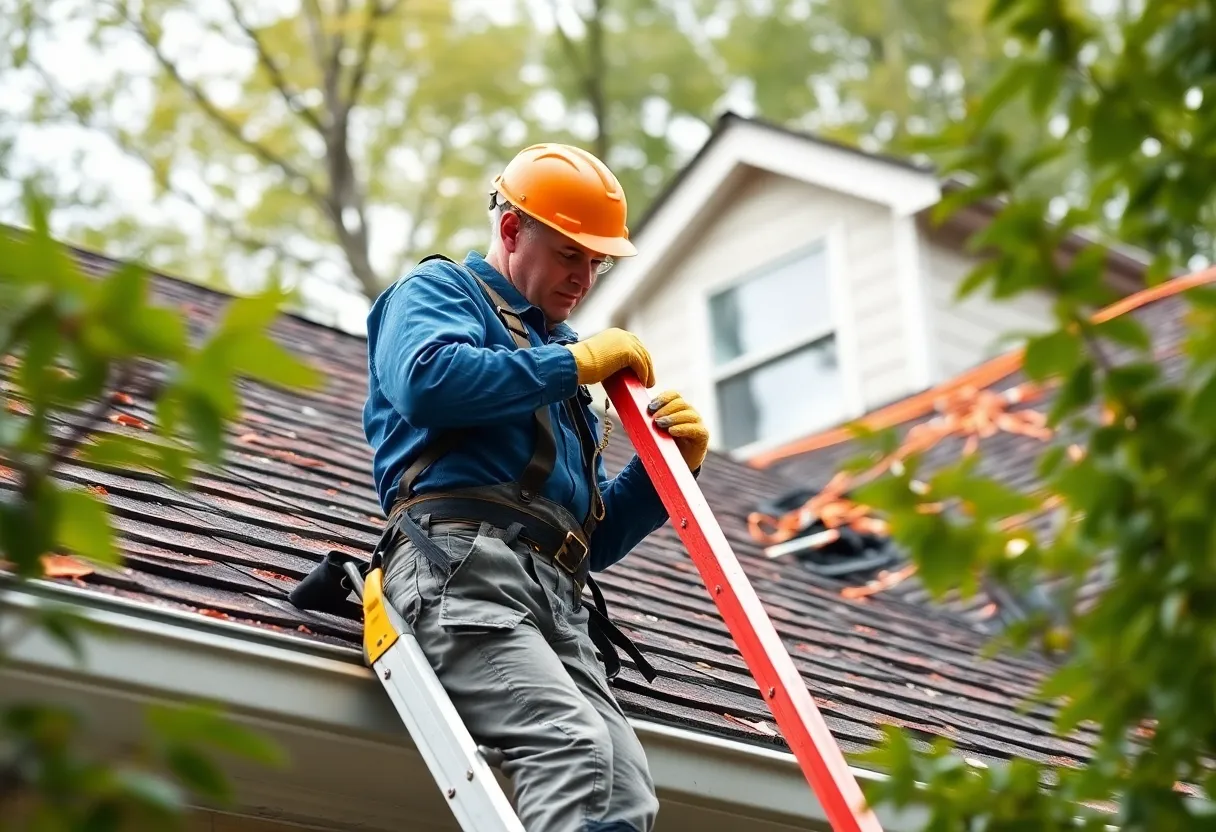
Removing snow from the roof can alleviate excess weight. However, caution is essential. Follow these recommendations:
- Use a Roof Rake: This tool allows you to safely remove snow, starting from the edge.
- Hire Professionals: For larger amounts of snow or complicated roofs, hiring a roofing service is advisable.
When to Seek Professional Help
If you notice severe structural concerns or if the snow load exceeds what you can reasonably manage, consulting a structural engineer is prudent. They can conduct a comprehensive assessment and give you a clear picture of your roof’s load-bearing capacity.
Addressing Roof Damage
In the event that damage has occurred, prompt action is necessary. A qualified roofing contractor can fix breaches, ensuring your roof resumes its function without compromising safety.
Final Considerations
Evaluating a roof’s ability to handle heavy snow loads is a multifaceted task. Knowledge of local weather patterns, architectural design, and regular maintenance plays essential roles in safeguarding your property.
By staying informed and proactive, homeowners can protect their investments and ensure safe structures regardless of the season. Always remember that an ounce of prevention is worth a pound of cure when it comes to maintaining your roof against heavy snow loads.

 Mays Contracting