
How to Successfully Repair Your Roof After Storm Damage: A DIY Guide for Homeowners
Storms can wreak havoc on your home, and the roof is often the most vulnerable part. When assessing the situation, it’s crucial to act quickly to mitigate further damage. This guide will outline the steps for assessing storm damage and effectively repairing your roof, ensuring safety and sustainability for your home.
Assessment of Damage
Initial Inspection
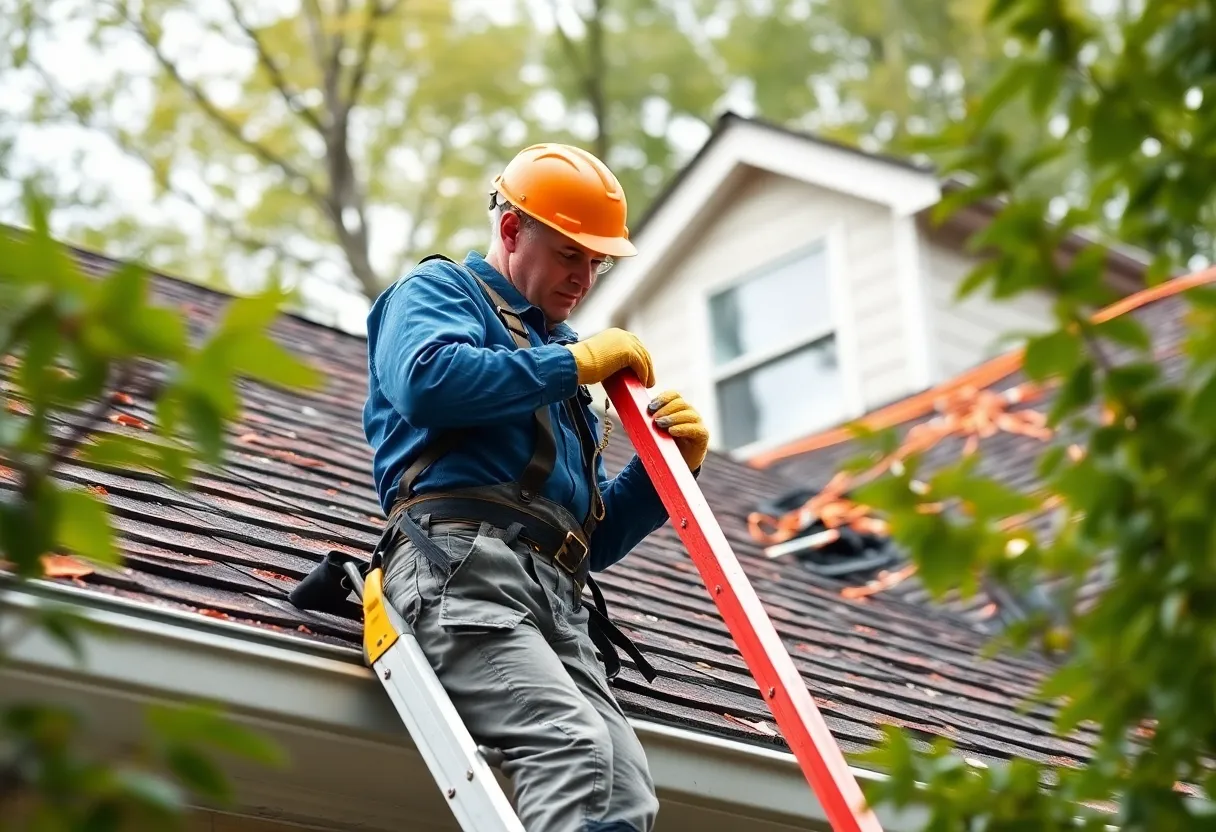
After a storm, it’s essential to conduct an initial inspection. Make sure that conditions are safe before stepping outside. Look for visible signs of damage from the ground. If you’re comfortable, use a ladder for a closer look.
Common Signs of Roof Damage
- Missing Shingles: Look for shingles that are completely gone or are partially lifted.
- Curling and Cracking: Inspect for curling edges or cracks in the shingles.
- Granule Loss: Check the gutters for shingle granules, which may indicate wear and tear.
- Leaks: Look for water stains on ceilings and walls inside your home.
Safety Precautions
When inspecting your roof, prioritize safety. Always wear proper gear, including a hard hat and non-slip shoes. If you feel uncertain about climbing onto the roof, consider hiring a professional.
Gathering Tools and Materials
Essential Tools
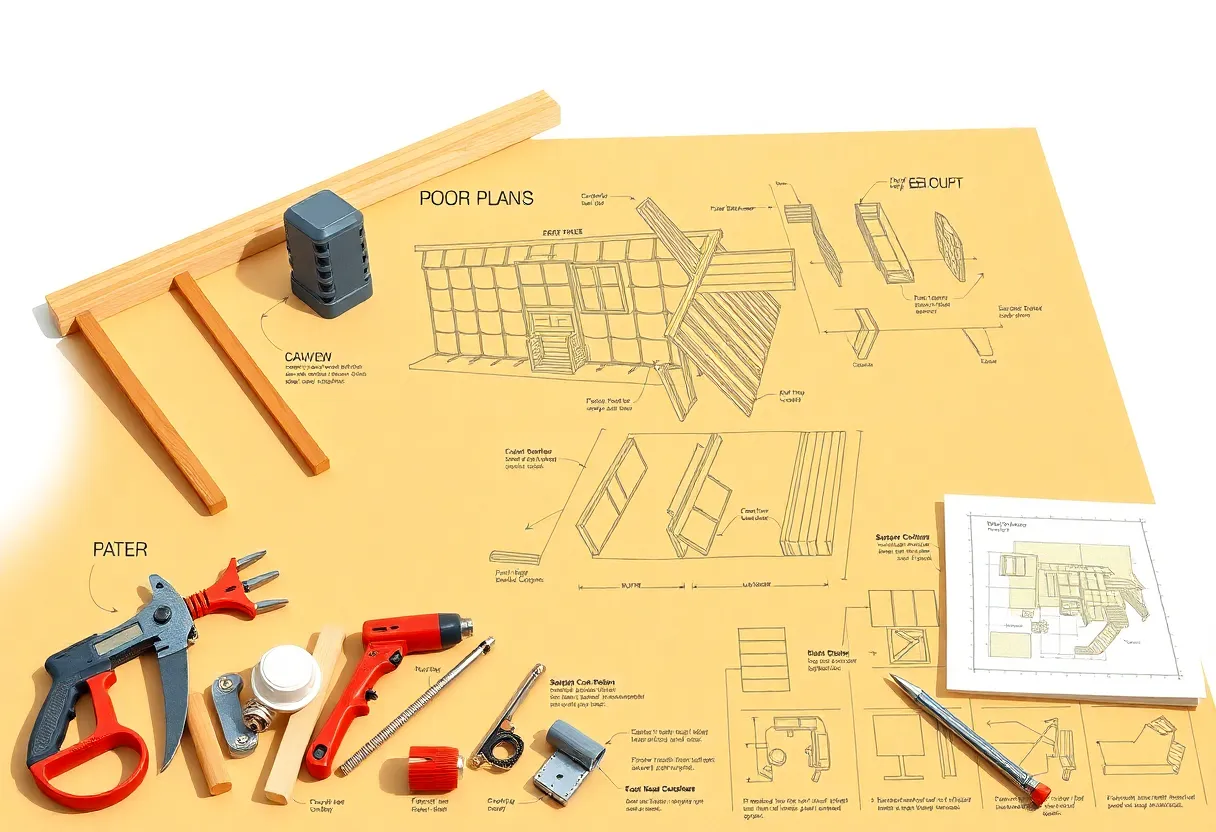
Before starting repairs, gather the necessary tools:
- Ladder: Ensure it’s stable and tall enough for your roof.
- Utility Knife: Necessary for cutting shingles.
- Nail Gun or Hammer: For securing new shingles.
- Roofing Nails: Specially designed for roof repairs.
- Sealant: Roofing sealant can protect against leaks.
- Safety Gear: Gloves, goggles, and a harness for added safety.
Materials Needed
Depending on the type of roofing, you may need:
- Shingles: Match the existing type and color.
- Roofing Felt: Protective barrier that can prevent leaks.
- Flashing: Needed for areas around chimneys and vents.
Repair Steps
Securing the Area
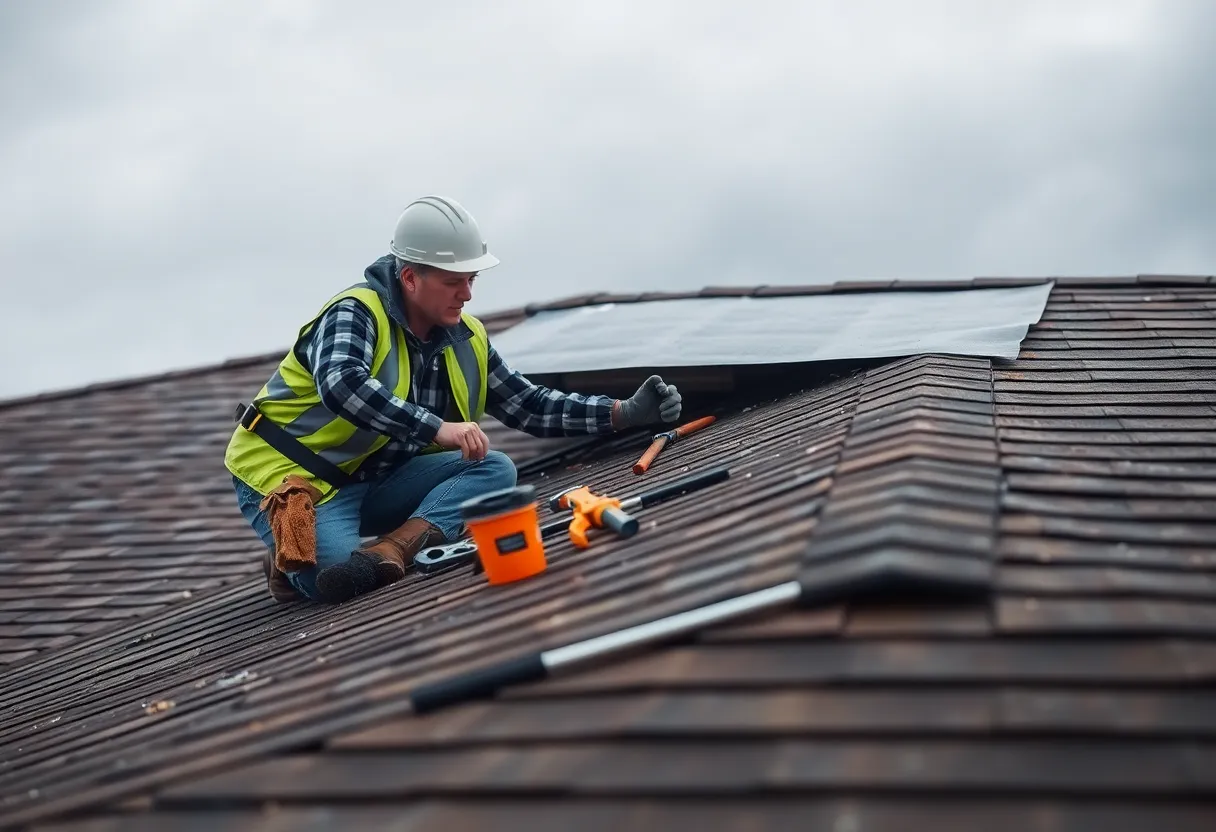
Make sure you have a designated area for your tools and materials. Clear away any debris on and around the roof to ensure a safe workspace.
Replacing Missing or Damaged Shingles
Follow these steps for replacing shingles:
- Remove Damaged Shingles: Carefully lift and remove the damaged shingles utilizing a utility knife.
- Clean the Area: Remove any leftover nails and debris to prepare for new shingles.
- Install New Shingles: Align the new shingles with the roofline and secure them in place using roofing nails.
- Seal the Edges: Apply a bead of roofing sealant along the edges of the shingles for added protection.
Repairing Leaks
To address leaks:
- Identify the Source: Trace water stains to find the leak’s origin.
- Use Roofing Cement: Apply roofing cement where the leak is evident and ensure it’s sealed tightly.
Additional Areas to Inspect
Flashing and Vents
Flashing may become loosened during a storm. Check the areas around chimneys, vents, and skylights. If cracked, replacing the flashing is essential to prevent leaks.
Gutter Systems
Gutters often sustain damage during storms. Ensure they are clear of debris and functioning correctly. If sections are bent or broken, repair or replace as necessary to ensure proper drainage.
Post-Repair Maintenance
Regular Inspections
Conduct regular roof inspections, particularly after severe weather. Monitoring condition can help identify potential issues before they escalate.
Clean Your Roof
Ensure your roof and gutters are clean. Remove leaves, branches, and other debris to prevent water pooling or mold growth.
Knowing When to Seek Help
Consulting Professionals
While many roof repairs can be done DIY, some situations require professional intervention. If the damage is extensive, or if you’re uncertain about any part of the repair, consult a roofing professional. It’s paramount to prioritize safety over saving costs.
Conclusion
Repairing your roof after storm damage can be a manageable task for homeowners. By following the aforementioned steps, you can ensure the longevity and safety of your roof. Remember, a little maintenance goes a long way in protecting your home from future storms.

 Mays Contracting