
How to Evaluate Your Roof’s Structural Integrity: Key Steps for Homeowners
A roof serves as the first line of defense against the elements, safeguarding your home from water damage, heat loss, and structural degradation. However, over time, even the most resilient roofs can experience wear and tear. To ensure your roof remains sturdy, it is essential to regularly evaluate its structural integrity. This guide provides homeowners with key steps to assess their roofs effectively.
Understanding Structural Integrity
Before delving into evaluation steps, it’s vital to grasp what structural integrity means in the context of roofing. Structural integrity pertains to a roof’s ability to support its weight along with additional stress it may encounter, such as snow, wind, or accumulated debris. Signs that your roof may be compromised include sagging, leaks, or cracked shingles.
Key Signs of Potential Issues
Identifying early symptoms of roof distress can prevent costly damage down the line. Here are several indicators that your roof may need a thorough evaluation:
1. Sagging or Uneven Areas
The most immediate sign of a structural problem is a noticeable sag in the roof’s surface. Issues like this often originate from underlying structural failures, often exacerbated by moisture or aging.
2. Cracked or Missing Shingles
While loss of a few shingles may seem minor, it can lead to significant problems. Deterioration of roofing materials can compromise the entire roof system, allowing water to infiltrate.
3. Water Stains on Ceilings or Walls
Interior water stains signal that moisture is penetrating your roofing system. This can indicate a failure in the roofing materials or flashing, both of which need immediate attention.
4. Granule Loss
If you find granules from asphalt shingles in your gutters, it suggests that the shingles are nearing the end of their life. Granule loss reduces the shingles’ effectiveness against UV rays, leading to quicker deterioration.
5. Excessive Debris
Accumulation of branches, leaves, or other debris can add unnecessary weight and moisture retention to your roof. Be vigilant about regularly clearing your roof to avoid these risks.
Steps for Evaluating Your Roof
1. Conduct a Visual Inspection
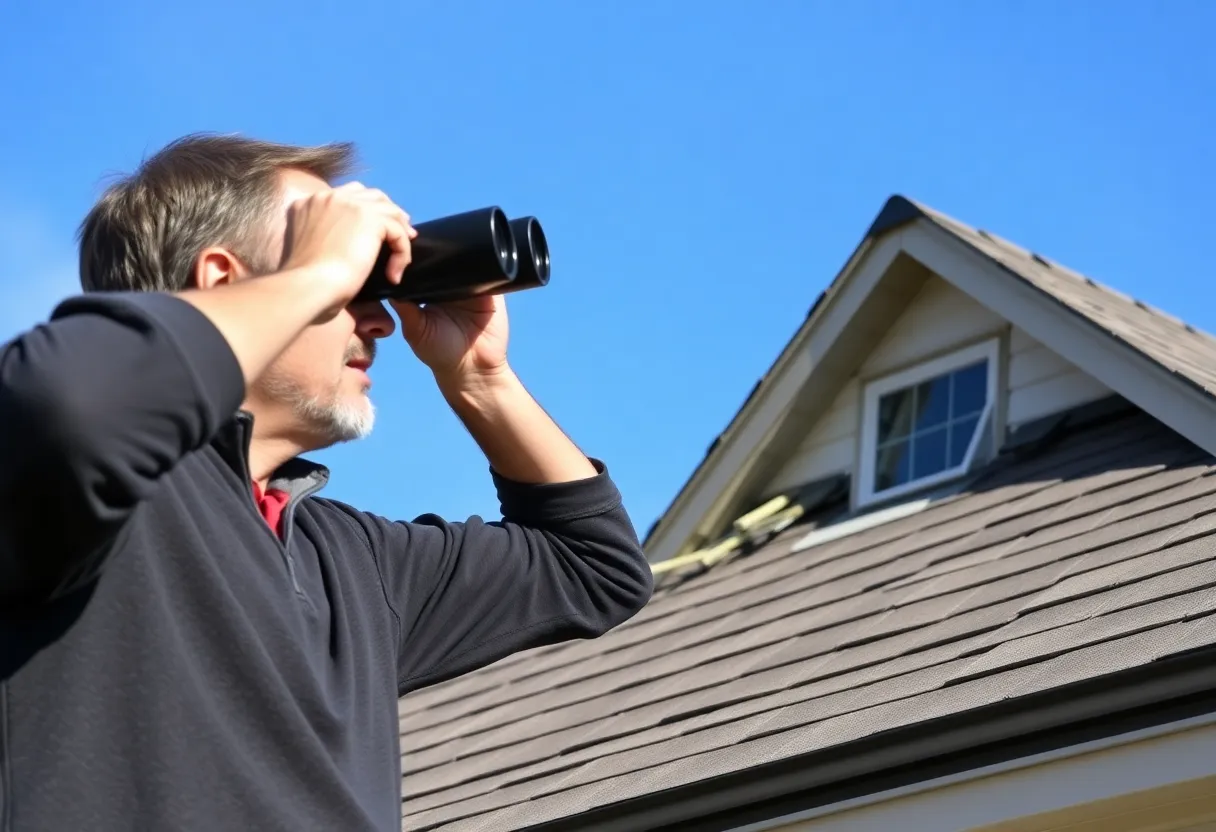
Start with a visual overview from both the ground and your attic. Look for the previously mentioned signs, as well as any unusual patterns in wear. Use binoculars for a closer look without putting yourself in danger.
2. Check for Moisture Damage
In your attic, inspect the framing and underside of the roof deck for water stains, mold, or rust. These signs indicate improper ventilation or leaks that need addressing immediately.
3. Assess the Roof’s Surface
Inspect shingles or other roofing materials for curling, blistering, or other forms of abnormal wear. Pay close attention to the edges, where damage is most likely to occur.
4. Evaluate the Flashing
Ensure all flashing around chimneys, vents, and seams are secure and intact. Rust or deterioration can leave your roof vulnerable to leaks.
Consult Professionals for Complex Situations
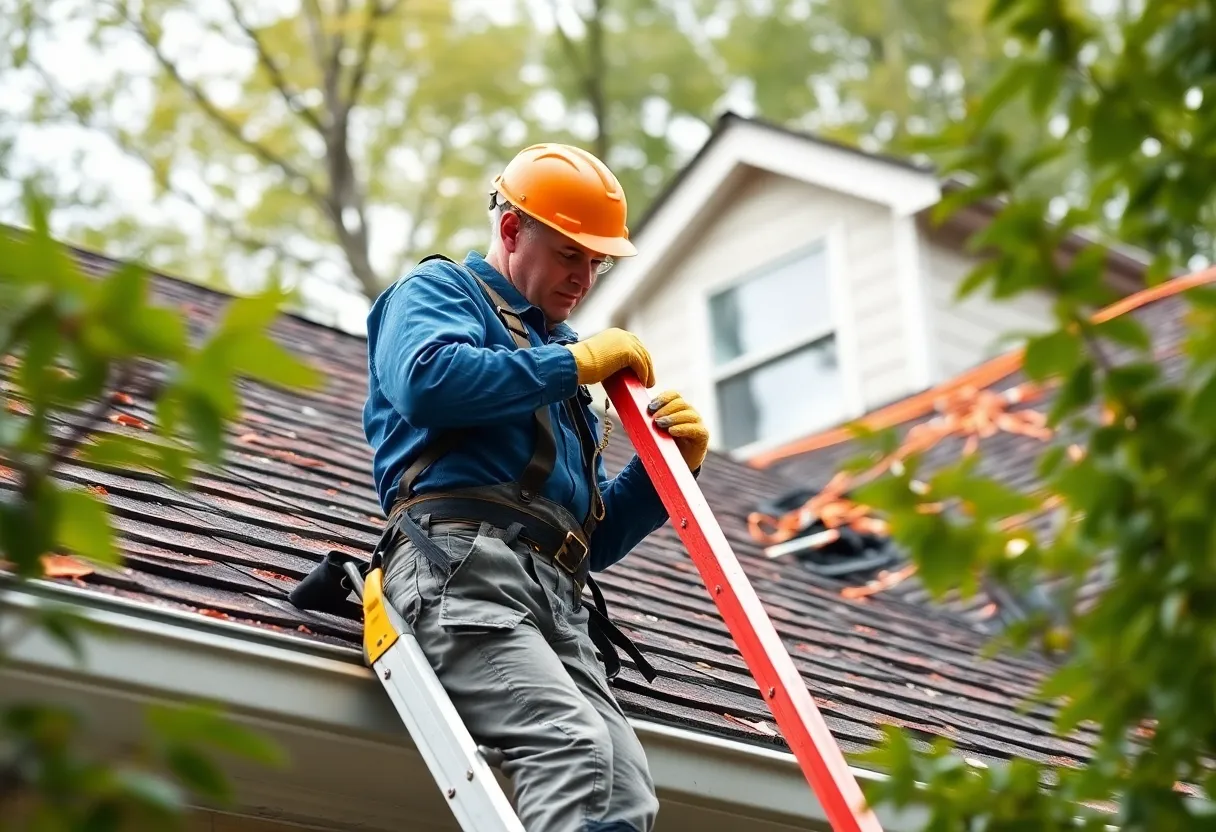
While performing an initial evaluation yourself can be beneficial, it is advisable to consult a licensed roofing professional for a comprehensive assessment. Experienced contractors have the tools and expertise to identify structural concerns that may not be obvious to the untrained eye.
Preventive Measures to Maintain Structural Integrity
1. Regular Maintenance
Routine cleaning and maintenance can extend your roof’s lifespan significantly. Establish a regular schedule for inspections, especially after severe weather.
2. Manage Drainage
Ensure that gutters and downspouts are clear of debris to facilitate proper water drainage. This will help combat potential water pooling on the roof, which can compromise its integrity.
3. Ensure Proper Ventilation
Improper ventilation can create heat buildup in the attic, damaging roofing materials and promoting mold growth. Make sure your roofing system allows for adequate air circulation.
When to Consider a Roof Replacement
In some cases, repairs may no longer suffice, and a full roof replacement may be necessary. Signs that indicate it is time for a complete roof replacement include:
1. Age of the Roof
If your roof is nearing or has surpassed its expected lifespan (typically 20-30 years, depending on the material), consider planning for a replacement.
2. Persistent Leaks
If leaks continue to occur despite repairs, this can be a strong indication that the roof’s integrity has waned significantly.
3. Widespread Damage
If multiple areas of the roof show serious signs of wear or damage, replacing the entire system often becomes more cost-effective than patching individual spots.
Conclusion
Evaluating your roof’s structural integrity is crucial to maintaining the health of your home. By regularly assessing signs of wear and taking proactive measures for maintenance, you can extend your roof’s lifespan and avert significant repairs. When in doubt, consulting a professional is the best course of action to ensure safety and long-term investment protection.
Remember, a well-maintained roof not only protects your home but also contributes to its overall value and aesthetic appeal. Prioritize regular evaluations and stay ahead of potential issues for a durable, beautiful roof over your head.

 Mays Contracting