
How to Choose the Right Roof Design for Optimal Snow Load Management
Understanding how to select the most appropriate roof design is crucial for managing snow load effectively. In regions prone to heavy snowfall, the weight of accumulated snow can pose a significant risk to roofs that are not designed to withstand it. This article explores critical aspects of roof design, examines various styles, and provides essential guidelines for ensuring optimal snow load management.
The Importance of Snow Load Awareness
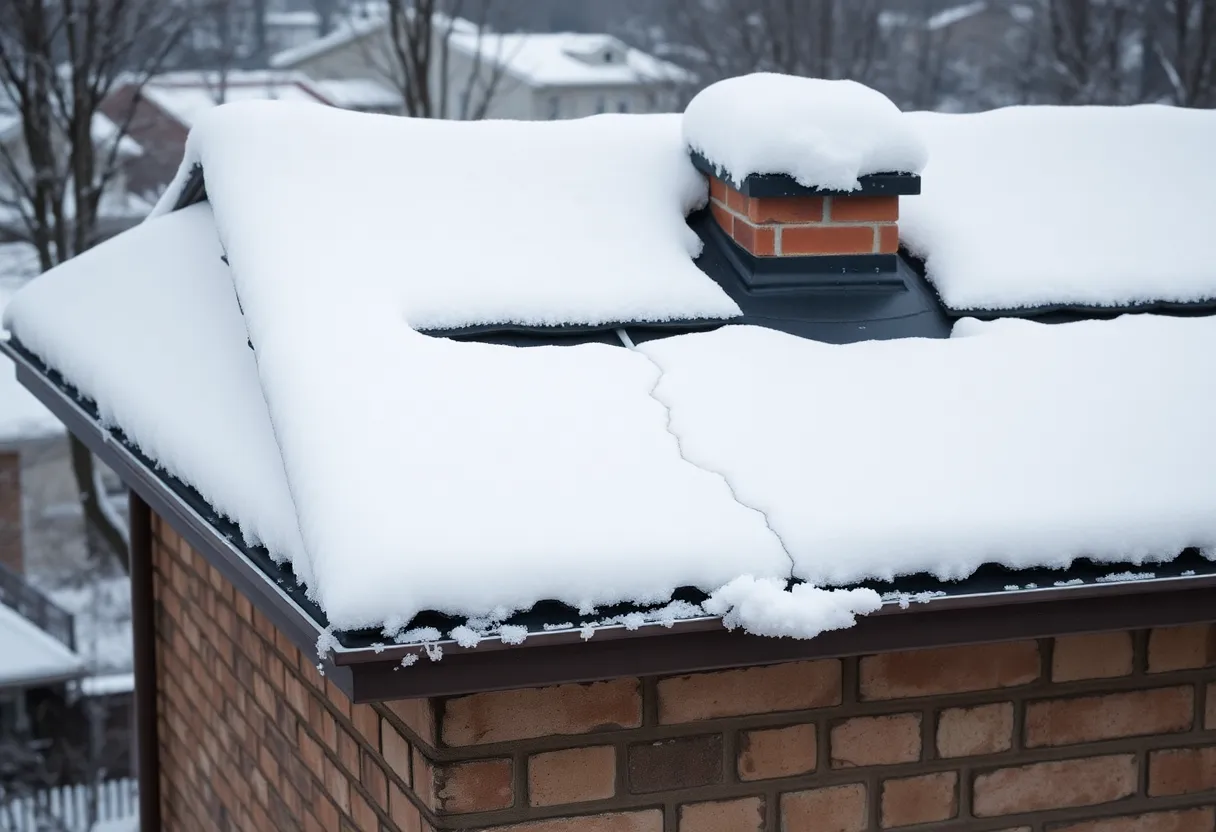
Snow load refers to the weight of snow accumulated on a roof. This can vary significantly based on geographic location, precipitation rates, and roof design. Failure to account for snow load can result in dangerous structural failures, including roof collapse. Thus, it is vital to understand how different design elements influence a roof’s capacity to handle snow.
Factors to Consider When Choosing a Roof Design
1. Local Climate and Snow Accumulation
The first consideration should be the local climate. Regions that experience heavy snowfall must account for the **snow load** specified in local building codes. Understanding historical snowfall patterns can help in predicting future challenges and guide the choice of a suitable roofing system.
2. Roof Slope
Roof slope plays a crucial role in snow load management. A steeper slope allows snow to slide off more easily, minimizing accumulation. However, very steep roofs can also pose risks, such as increased wind uplift and potential snow slides. A moderate pitch, typically between 4/12 to 7/12, optimizes snow shedding while maintaining structural integrity.
3. Roof Shape
Different shapes perform differently under snow load conditions. The common roof shapes include:
- Gable Roof: This is one of the most effective shapes for snowy conditions, facilitating runoff and preventing accumulation.
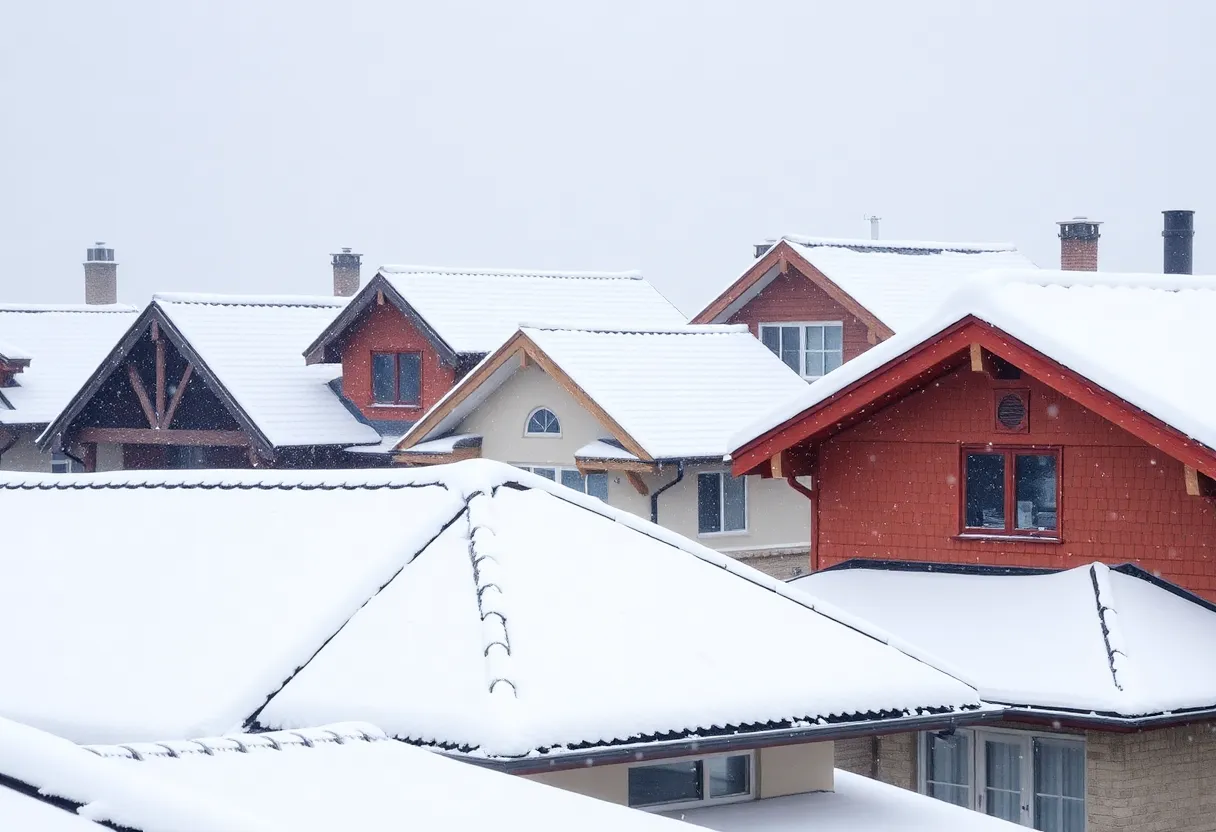
- Hip Roof: A hip roof provides a stable structure that can withstand wind and snow load. Its design promotes snow shedding, particularly if the pitch is adequate.
- Flat Roof: While flat roofs can be aesthetically pleasing and offer space for HVAC systems, they trap snow and require additional bracing and drainage solutions to handle snow loads effectively.
4. Material Selection
The choice of roofing material greatly impacts snow load management. Materials with smooth surfaces, such as metal, allow snow to slide off easily compared to rough materials like shingles. Additionally, some materials can better handle the weight of accumulated snow.
5. Structural Support
Proper structural support is vital for any roof design, especially in snow-prone areas. The roof framing must be designed to accommodate the specific snow load calculations. This includes considering trusses, beams, and overall load distribution across the entire structure.
Evaluating Different Roof Designs
1. Gable Roofs
Gable roofs feature two sloping sides that come together at a peak. This design encourages snow to slide off the roof, reducing the risk of accumulation. Gable roofs also provide ample attic space, which can be beneficial for insulation. However, areas where heavy winds accompany snowfall may require additional bracing to prevent structural damage.
2. Hip Roofs
Hip roofs slope downwards on all sides, offering durability and excellent wind resistance. This design is effective in managing snow loads, as it allows for efficient shedding of snow. However, hip roofs can be more complex to construct and may require careful engineering to ensure they meet snow load requirements.
3. Flat Roofs
Flat roofs are often used in commercial buildings and structures where space maximization is key. While aesthetically pleasing, they can pose significant challenges in snowy climates. Snow accumulation on flat roofs can lead to serious structural issues if not properly managed. Implementing adequate drainage systems and ensuring that the structural framework can handle potential snow loads is essential.
Best Practices for Roof Design in Snow-Prone Areas
1. Follow Local Building Codes
Always adhere to local building codes that specify snow load requirements. These codes are established to ensure structural safety and are a crucial resource for designers and builders alike.
2. Regular Maintenance
Routine roof maintenance plays a vital role in snow load management. Regular inspections allow homeowners to identify and address potential issues such as ice dams, weakened structural components, or drainage obstructions.
3. Consider Additional Features
Additional features such as snow guards and heating systems can prevent excessive snow build-up and ice formation on roofs. Snow guards help hold snow in place and encourage gradual melting, while heating systems can mitigate the consequences of heavy snowfall.
4. Engage with Professionals
Consulting with architects or structural engineers familiar with snow load considerations is highly beneficial. Their expertise can guide suitable design choices, ensuring compliance with safety standards while meeting aesthetic preferences.
Final Thoughts
Choosing the right roof design for optimal snow load management is a multifaceted process that requires careful consideration of the local climate, materials, slope, shape, and structural integrity. The implications of neglecting adequate snow load management can be severe, ranging from costly repairs to catastrophic structural failures.
By understanding the various roofing options available and following best practices, homeowners and builders can make informed decisions that promote safety and longevity. Ultimately, a well-designed roof not only protects a structure from the elements but also enhances its aesthetic appeal and market value.

 Mays Contracting