


How Can You Use Geolocation Targeting to Enhance Your Digital Marketing Strategy?
Understanding Geolocation Targeting
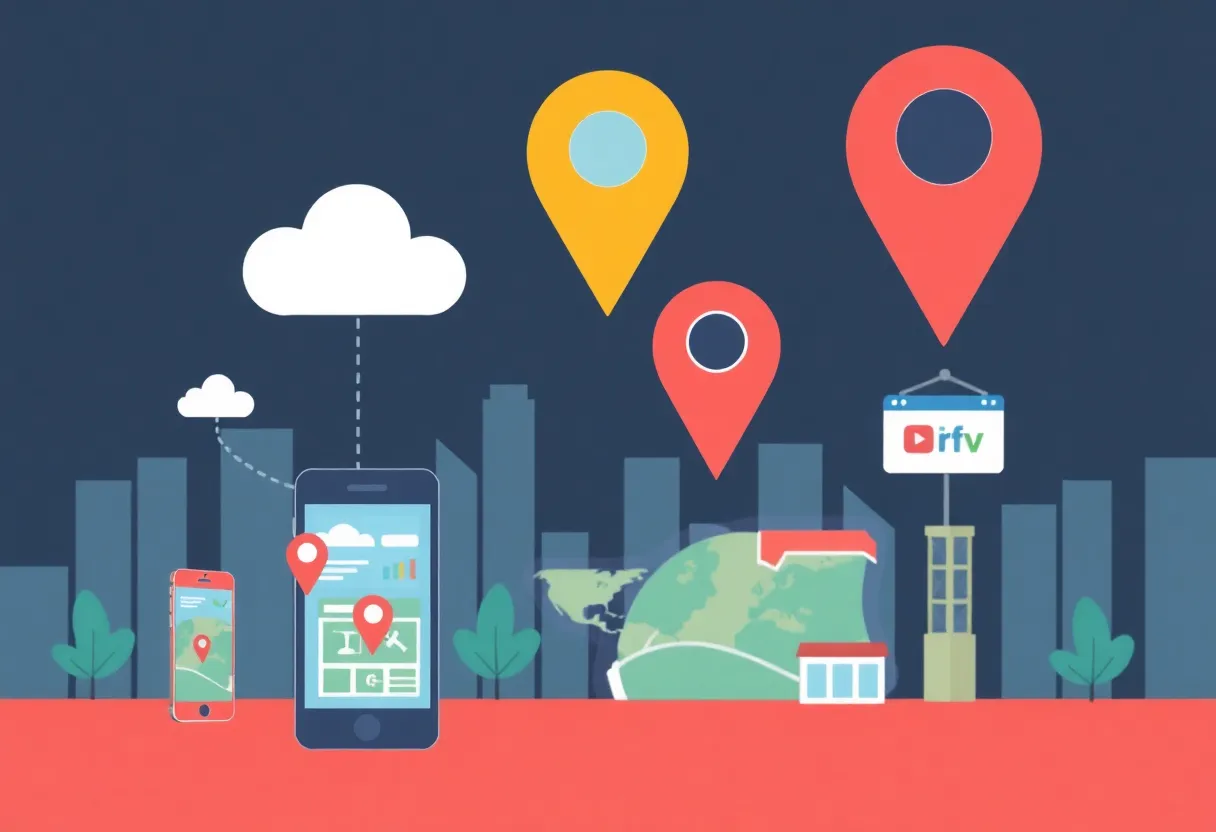
Geolocation targeting is a powerful strategy in digital marketing, leveraging location-based data to tailor marketing messages. By identifying where users are located, businesses can deliver personalized content, offers, and ads that resonate more effectively than generalized campaigns.
The Importance of Geolocation in Digital Marketing
In today’s interconnected world, consumers expect brands to understand their needs. Geolocation targeting helps marketers align their strategies with customer preferences based on location. The significance lies in its potential to improve conversion rates, increase engagement, and drive relevance.
Key Benefits of Geolocation Targeting
- Increased Relevance: Localized marketing makes messages more applicable to the audience, increasing engagement.
- Enhanced User Experience: Customers appreciate tailored offerings that meet their immediate needs.
- Better ROI: Targeted efforts lead to higher conversion rates, ultimately providing better return on investment.
Types of Geolocation Targeting
1. IP Address Targeting
This method uses the user’s IP address to determine their location. Marketers can serve region-specific content without needing user consent for precise location data.
2. GPS Targeting
Primarily used in mobile advertising, GPS targeting provides accurate real-time location information. This allows for immediate and relevant messaging based on the user’s exact whereabouts.
3. Geofencing
This technique involves creating a virtual boundary around a specific location. Once users enter this designated area, businesses can send them notifications, promotions, or ads.
4. Beacon Technology
Beacons are small devices that detect mobile devices within a certain range. These can be used to send push notifications, enhancing in-store experiences, and driving foot traffic.
Implementing Geolocation Targeting in Your Digital Marketing Strategy
Effective implementation requires a well-planned approach, consisting of several critical steps.
1. Analyze Your Audience
Understanding your target audience’s demographics, preferences, and behavior is crucial. This information helps identify the best ways to reach them through geolocation targeting.
2. Choose the Right Tools
Invest in robust geolocation tools that align with your business goals. Popular options include Google Ads, Facebook Ads, and dedicated geolocation platforms that offer advanced features.
3. Create Location-Specific Content
Develop tailored content that resonates with local preferences. Use regional dialect, cultural references, and local events to forge deeper connections.
4. Utilize Data Analytics
Data analytics can significantly enhance your geolocation targeting efforts. Monitoring user engagement through analytics tools allows you to adapt your strategy based on real-time feedback.
5. Test and Optimize
Regular testing is essential for refining your approach. A/B testing different geolocation strategies can uncover what resonates best with your audience.
Challenges in Geolocation Targeting
While geolocation targeting offers numerous advantages, it also presents challenges that marketers must navigate.
1. Privacy Concerns
Users are increasingly aware of privacy issues. Transparency regarding data collection practices is essential to build trust.
2. Accuracy of Data
Dependence on inaccurate data can lead to misguided targeting efforts. Regular audits of data accuracy must be conducted to maintain effective campaigns.
3. Technology Integration
Integrating geolocation targeting with existing digital marketing systems can be complex. It’s essential to possess a clear strategy for seamless technology implementation.
Best Practices for Successful Geolocation Targeting
1. Build a Mobile-Friendly Strategy
With the growing number of mobile users, ensuring your website and ads are mobile-friendly is paramount. Optimize visuals and navigation for smaller screens to cater to mobile users effectively.
2. Personalize the User Experience
Utilize collected data to create personalized experiences. Customer loyalty is enhanced when users feel recognized and valued.
3. Use Location-Based Promotions
Offering location-based discounts or promotions can drive traffic to your store or website. Timely and relevant offers encourage immediate action from consumers.
4. Monitor and Adjust Campaigns Regularly
Continuous monitoring and adjustment of geolocation campaigns are essential. Analyze data to adapt strategies and optimize performance.
The Future of Geolocation Targeting in Digital Marketing
The landscape of digital marketing is evolving. As technology advances, geolocation targeting will likely become even more sophisticated and integrated into multi-channel marketing efforts.
1. Artificial Intelligence Integration
AI can enhance geolocation targeting by analyzing user data to predict preferences and behaviors, further personalizing marketing strategies.
2. Rich Media Experiences
Augmented reality (AR) and virtual reality (VR) can provide immersive experiences based on location. This can elevate engagement levels, especially in retail.
3. Enhanced Privacy Controls
With increased emphasis on user privacy, developing robust systems that respect privacy while delivering effective marketing is crucial. Transparency and user consent will become key components of successful strategies.
Conclusion
Geolocation targeting holds remarkable potential for enhancing digital marketing strategies. By understanding its benefits, implementing effective tactics, and navigating challenges, businesses can create impactful, localized marketing experiences that resonate with their audiences. As technology progresses, staying ahead in geolocation targeting will be vital for maintaining a competitive edge in the digital landscape.