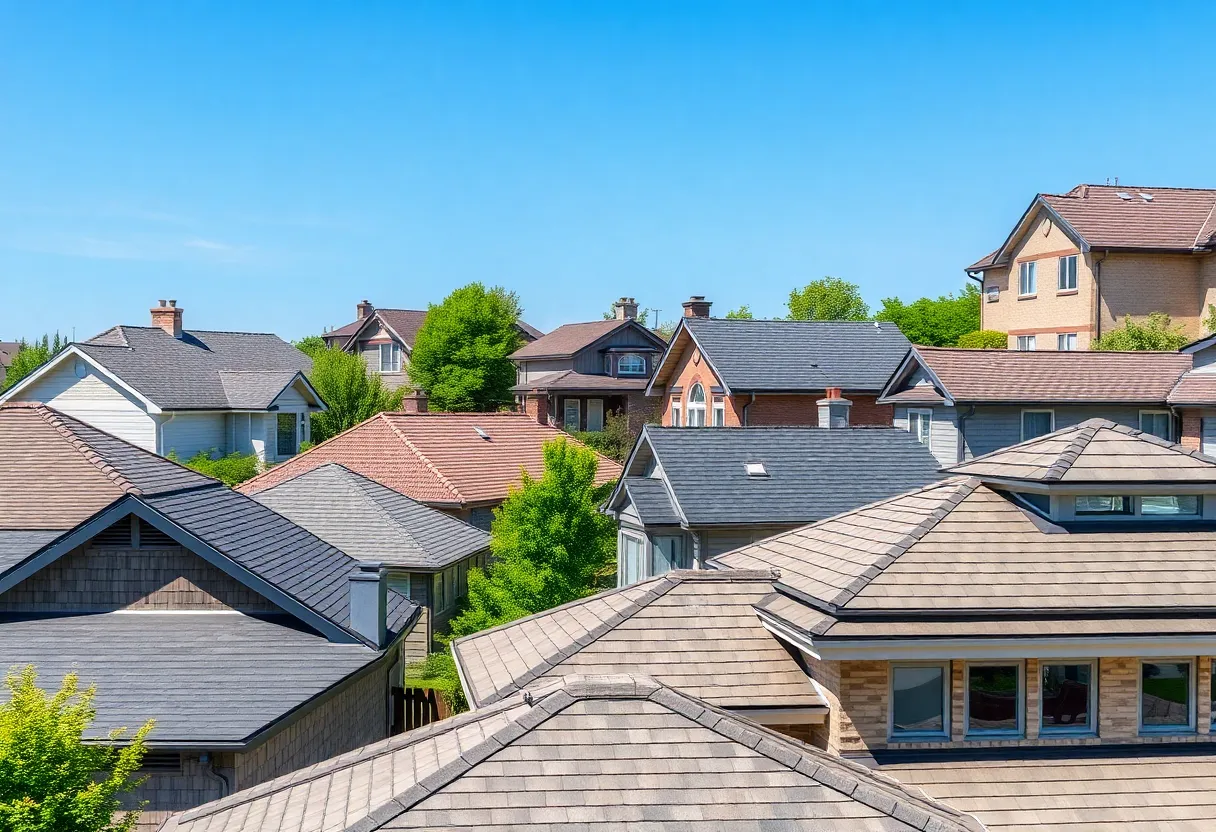

How Can You Choose the Right Roofing Material for Energy Efficiency?
Choosing the right roofing material for your home is critical, especially when considering energy efficiency. The right roof can contribute to lower energy bills, better temperature control, and a decreased carbon footprint. This article elaborates on the essential factors you should consider when selecting roofing materials that optimize energy performance.
Understanding Energy Efficiency in Roofing
Energy efficiency in roofing pertains to how well a roofing material can prevent heat transfer, thus maintaining a comfortable indoor environment. A roof’s energy performance is primarily influenced by its material properties, color, and insulation.
Material Properties
Different materials have different thermal characteristics, which can significantly impact energy efficiency. Here are some common roofing materials and their energy performance:
- Metal Roofing: Highly reflective, metal roofs can effectively reduce heat absorption in hot climates. They are also durable and environmentally friendly.
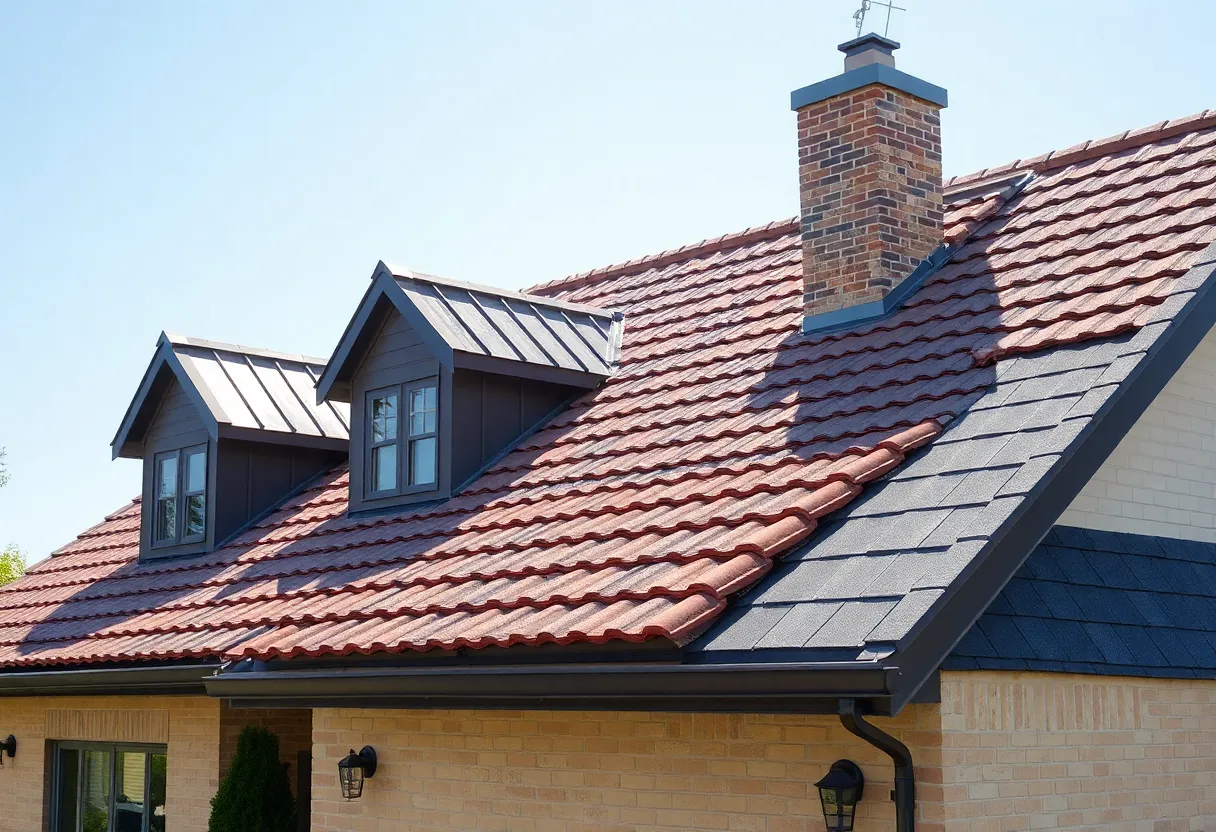
- Clay and Concrete Tiles: These materials provide excellent insulation, keeping homes cooler in summer and warmer in winter. They can also be colored or glazed to enhance reflectivity.
- Asphalt Shingles: While common, traditional asphalt shingles can absorb a lot of heat. However, certain reflective options are available to improve their energy efficiency.
- Slate Roofing: Slate is a natural stone that offers superior insulation but may be cost-prohibitive for some homeowners.
Color Considerations
The color of roofing materials significantly influences energy performance. Light-colored roofs reflect more sunlight, reducing heat absorption. Dark roofs tend to absorb heat, which can increase cooling costs in warmer climates. Choosing a highly reflective roofing product can make a noticeable difference.
Insulation and Ventilation
Proper insulation and ventilation are crucial for optimizing energy efficiency. Even the best roofing material will falter without a well-designed insulation system.
Choosing Insulation
Insulation works to minimize heat transfer between the roof and the interior of your home. Common types of roofing insulation include:
- Fiberglass Batts: Cost-effective and widely used, these batts provide good thermal resistance.
- Spray Foam Insulation: Offers a high R-value and can be applied to irregular structures; it also acts as an air barrier.
- Reflective Insulation: This works best in conjunction with radiant barriers to reflect heat away from the home.
Importance of Ventilation
Roof ventilation systems regulate the temperature in the attic, which helps maintain roof performance. Effective ventilation can reduce heat buildup and minimize moisture buildup that may lead to mold growth. Implementing proper vents increases overall energy efficiency.
Energy Ratings and Certifications
When evaluating roofing materials, consider energy ratings and certifications. Various organizations provide metrics to help consumers assess energy performance.
ENERGY STAR Certification
Products that earn the ENERGY STAR label meet rigorous energy efficiency guidelines set by the U.S. Environmental Protection Agency. Choosing an ENERGY STAR-certified roofing material ensures you are investing in a product that contributes to improved energy efficiency.
Cool Roof Rating Council (CRRC)
The CRRC provides ratings for the solar reflectance and thermal emittance of roofing materials. Higher ratings indicate better energy performance, particularly in cooler temperatures.
Climate Considerations
Your geographical location significantly impacts roofing material selection. Understanding your climate’s unique challenges will inform your decision-making.
Hot Climates
In regions with prolonged heat, opt for reflective materials. Metal roofs, light-colored tiles, and certain asphalt shingles are excellent options. These materials help in minimizing cooling costs.
Cold Climates
In colder areas, choose materials with high insulation properties to retain warmth. Slate, asphalt shingles, and clay tiles are suitable options. Take care to ensure that proper insulation and ventilation are also prioritized.
Cost vs. Benefit Analysis
While upfront costs for energy-efficient roofing materials may be higher, balancing them against long-term savings is crucial.
Initial Investment
High-quality materials often come with a greater initial investment. However, the return on investment often comes in the form of lower energy bills and increased resale value of the property.
Long-term Savings
Calculating long-term savings requires estimating your monthly energy bills and lifecycle of the roofing material. It’s crucial to assess your local energy rates, climate, and how the chosen material will perform over time.
Installation Considerations
Even the best roofing materials need to be installed correctly to maximize their energy efficiency. Poor installation can undercut the benefits of energy-efficient products.
Choosing a Qualified Contractor
Always select a reputable roofing contractor who has experience with energy-efficient materials. Verify their credentials and ask for references to ensure quality work.
Maintenance Tips for Energy Efficiency
Once you’ve installed an energy-efficient roof, maintaining it is essential for preserving its effectiveness.
Regular Inspections
Conduct regular inspections to identify any potential issues early. Look for signs of wear, missing shingles, or signs of moisture build-up in the attic.
Cleaning
Debris accumulation can impede the roof’s reflective properties. Clean your roof regularly to maintain its efficiency.
Conclusion
Choosing the right roofing material for energy efficiency requires careful consideration of various factors. Assess materials based on their thermal properties, color, and energy ratings. Additionally, consider the geographical climate, insulation, ventilation, and future maintenance needs. While initial costs may be considerable, the long-term energy savings and benefits will justify the investment. Ultimately, selecting the right roofing material is essential for improving energy efficiency, reducing energy costs, and increasing the overall comfort of your home.

Author: HERE Greenwood
The GREENWOOD STAFF WRITER represents the experienced team at HEREGreenwood.com, your go-to source for actionable local news and information in Greenwood, Greenwood County, and beyond. Specializing in "news you can use," we cover essential topics like product reviews for personal and business needs, local business directories, politics, real estate trends, neighborhood insights, and state news affecting the area—with deep expertise drawn from years of dedicated reporting and strong community input, including local press releases and business updates. We deliver top reporting on high-value events such as the Festival of Flowers, Greenwood Community Theatre performances, and agricultural showcases at the Greenwood County Fairgrounds. Our coverage extends to key organizations like the Greenwood Chamber of Commerce and the Greater Greenwood United Ministry, plus leading businesses in manufacturing and healthcare that power the local economy such as FujiFilm Manufacturing and Self Regional Healthcare. As part of the broader HERE network, including HERECharleston.com, HEREColumbia.com, HEREGreenville.com, and HEREHiltonHead.com, we provide comprehensive, credible insights into South Carolina's dynamic landscape.
 Mays Contracting