
How Can You Safely Navigate the Challenges of DIY Roofing Projects?
Introduction to DIY Roofing
Embarking on a DIY roofing project can be both exciting and daunting. With the right knowledge and preparation, homeowners can save money and gain a sense of accomplishment. However, it is vital to navigate the challenges of such an undertaking safely. This article outlines key safety tips, essential tools, and critical techniques to ensure a successful roofing project.
Understanding the Risks Involved
Roofing work presents several risks, including:
- Falls: Leading cause of injuries in construction, making safety precautions essential.
- Weather Conditions: Working in adverse conditions can escalate the risk of accidents.
- Job Complexity: Factors such as roof slope and material type complicate the process.
Recognizing these risks allows DIY enthusiasts to prepare adequately and take proactive measures to ensure safety.
Essential Safety Gear
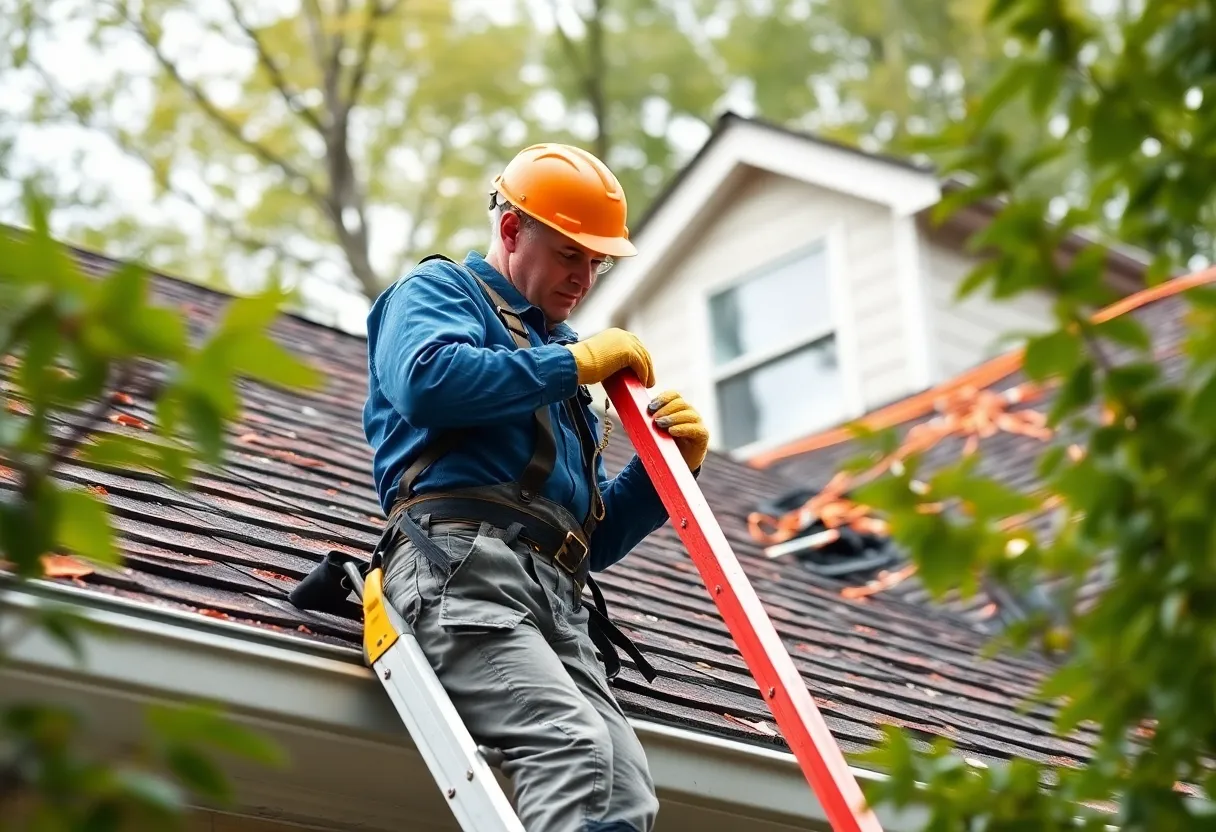
Protective equipment is paramount for any roofing project. Invest in quality safety gear, including:
- Safety Helmets: Essential for protecting against falling objects.
- Non-slip Footwear: Offers better traction on wet or sloped surfaces.
- Harnesses and Lanyards: Prevents falls, especially from high roofs.
- Gloves: Protects hands from materials and tools.
- Safety Glasses: Shields eyes from debris and harsh sunlight.
Prioritizing safety gear goes a long way in minimizing the risk of injury.
Choosing the Right Tools
Having the appropriate tools is crucial for a successful roofing project. Key tools include:
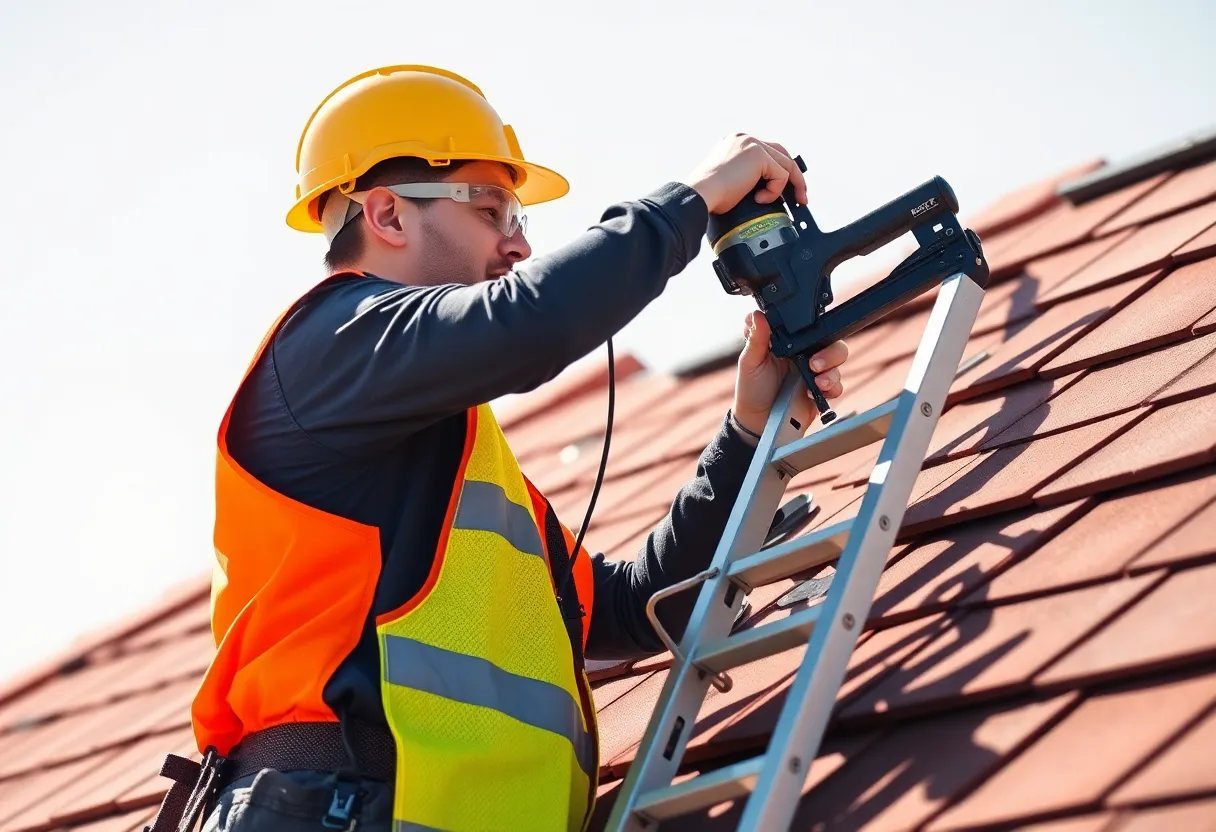
- Roofing Nailer: Speeds up the shingle installation process.
- Ladder: Choose a sturdy, extendable ladder to safely reach the roof.
- Utility Knife: Ideal for cutting roofing materials accurately.
- Measuring Tape: Ensures precise measurements for shingles and materials.
- Pry Bar: Useful for removing old shingles or nails.
Proper tools not only enhance efficiency but also reduce the chances of accidents during the project.
Planning Your Roofing Project
A successful roofing project requires thorough planning. Consider the following strategies:
- Assess the Roof’s Condition: Before starting, inspect the roof for underlying issues.
- Understand Local Building Codes: Familiarize yourself with regulations that may affect your project.
- Establish a Budget: Determine costs for materials, tools, and labor if necessary.
- Set a Timeline: Estimate how long the project will take and plan accordingly.
Effective planning sets the foundation for a smoother roofing experience.
Weather Considerations
The weather significantly impacts roofing projects. Here’s how to prepare:
- Check Forecasts: Avoid starting any project in rain or high winds to prevent accidents.
- Scheduling: Aim for seasonal conditions that allow for safe working conditions.
- Materials: Certain materials may be affected by heat or cold, influencing installation.
Being mindful of weather conditions prevents delays and safety complications.
Execution of the Roofing Project
Preparation Before Climbing
Prior to ascending the roof, complete these steps:
- Remove Debris: Clear the roof and surrounding areas of any obstacles.
- Check Ladder Stability: Ensure the ladder is securely positioned before climbing.
- Establish a Safe Working Area: Limit distractions and designate areas for unloading materials.
These preparatory actions mitigate risks during the project.
Installation Techniques
When it comes time for installation, follow these guidelines:
- Start at the Bottom: Begin roofing from the bottom and work upwards to avoid leaks.
- Follow Manufacturer Instructions: Adhere to guidelines for proper installation of materials.
- Regularly Inspect Work: Check your work as you go to ensure quality and prevent future issues.
Effective execution during installation is vital for a durable and functional roof.
Post-Project Considerations
Once the roofing project is complete, take the following steps:
- Inspect Your Work: Check for proper shingle alignment, sealing, and overall quality.
- Clean Up the Surrounding Area: Remove all debris, tools, and materials to prevent accidents.
- Plan Regular Maintenance: Schedule future inspections to address potential issues proactively.
These final steps ensure a successful completion and lasting quality of the roofing project.
Conclusion
Successfully navigating the challenges of DIY roofing projects requires careful preparation and strategic execution. By adhering to safety protocols, employing the right tools, and planning effectively, homeowners can undertake roofing projects safely and efficiently. Remember, while DIY projects can be rewarding, it is essential to assess your skills honestly, and do not hesitate to consult professionals when necessary.

 Mays Contracting