
What Should You Know About DIY Roofing Safety Before Getting Started?
Introduction to DIY Roofing Safety
Undertaking a DIY roofing project can be rewarding and cost-effective. However, it comes with a unique set of challenges and safety risks. Ensuring safety is paramount to avoid accidents that could lead to serious injuries. This article will cover essential safety tips, tools, and precautions to consider before embarking on your roofing project.
Understanding the Risks
Common Hazards on the Roof
Working on a roof involves various hazards that can result in accidents. The most common risks include:
- Falls: This is the most significant risk associated with roofing. Heights can cause severe injuries or fatalities if proper precautions aren’t followed.
- Slipping: Wet or icy conditions can make the roof slippery, increasing the likelihood of accidents.
- Falling Objects: Tools and materials can fall from the roof, posing risks to individuals below.
- Electrical Hazards: Proximity to power lines can be dangerous, especially when using metal tools.
Preparing for Your Roofing Project
Assess Your Skills and Experience
Before starting, it is essential to accurately assess your skills. If you have limited experience with roofing, consider consulting a professional. Knowledge of roofing methods, materials, and safety measures is crucial.
Proper Planning
Effective planning is vital for a successful roofing project. Here’s how to approach it:
- Choose the Right Time: Consider weather conditions. Avoid working in rain, high winds, or extreme temperatures, as these can create hazardous situations.
- Create a Timeline: Allocate sufficient time for the project. Rushing can lead to oversights and dangerous situations.
- Budget for Safety Equipment: Don’t skimp on safety gear. Invest in quality protective equipment to reduce risk.
Essential Safety Gear
Personal Protective Equipment (PPE)
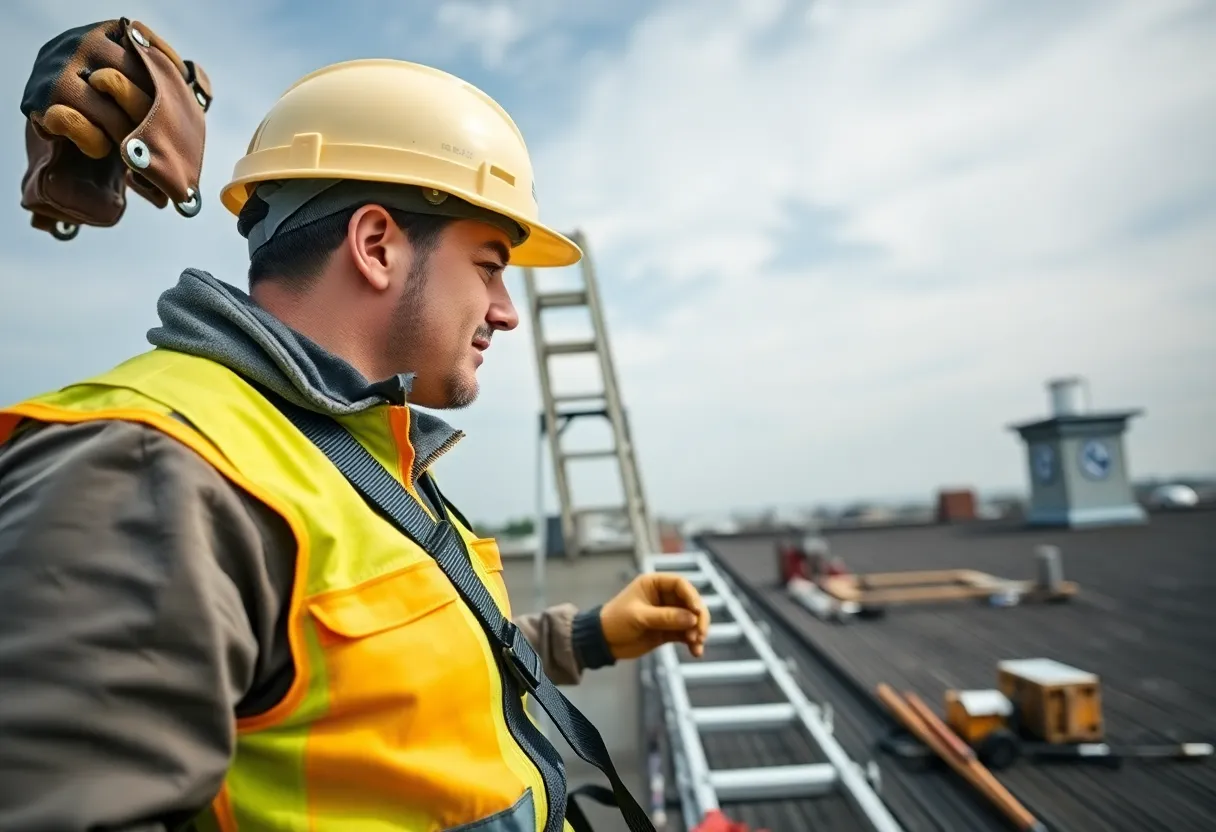
Using appropriate safety gear can significantly lower the risk of injuries. The essential PPE for DIY roofing includes:
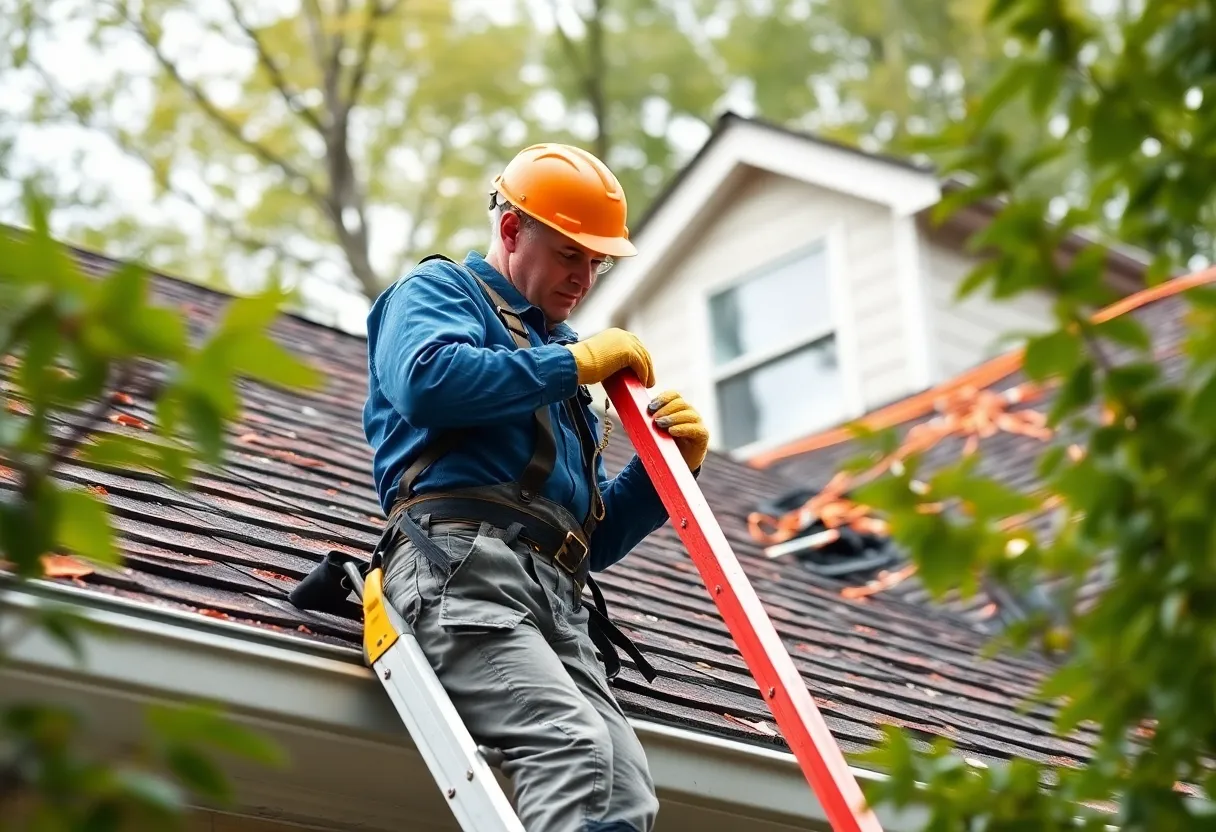
- Harness and Lanyard: A safety harness can prevent falls. Make sure it is properly anchored to a stable structure.
- Hard Hat: Protects against head injuries from falling debris.
- Non-slip Footwear: Footwear with good traction will help prevent slipping.
- Gloves: Protects hands from sharp objects and reduces fatigue.
- Eye Protection: Safety glasses or goggles shield eyes from debris and dust.
Setting Up a Safe Worksite
Once you have your safety gear in place, create a safe work environment:
- Clear the Area: Remove any loose tools and materials from the roof.
- Establish a Perimeter: Use cones or caution tape to mark the work area and keep others away.
- Secure Tools: Use tool lanyards for equipment to prevent them from falling.
Safe Ladder Practices
Choosing the Right Ladder
A reliable ladder is crucial for roof work. When selecting a ladder, consider the following:
- Type of Ladder: Use a sturdy extension ladder, rated for the weight it must support.
- Height Consideration: Ensure the ladder extends at least three feet above the roofline for safety.
Ladder Safety Tips
Implement these tips when using a ladder:
- Inspect for Damage: Check the ladder for any signs of wear or damage before use.
- Positioning: Set the ladder on stable ground and at a 75-degree angle to prevent tipping.
- Never Overreach: Keep your body positioned within the ladder’s side rails to maintain balance.
Working on the Roof
Establishing a Safe Working Platform
When working on the roof, ensure you have a stable and safe surface:
- Use Safety Rails: If possible, install guardrails around the working perimeter.
- Secure Loose Materials: Strap down any loose tools or materials to prevent them from becoming falling hazards.
Communication and Teamwork
If working with others, establish a clear communication plan. Use hand signals or set up a walkie-talkie system. Teamwork can improve safety, especially when lifting heavy materials or equipment.
Emergency Preparedness
First Aid Kit
Prepare for emergencies by having an accessible first aid kit on-site. This kit should include:
- Bandaids: For minor cuts and scrapes.
- Gauze and Tape: For more severe wounds.
- Antiseptic Wipes: To clean wounds.
- Emergency Numbers: Clearly list emergency contacts for quick reference.
Creating an Emergency Plan
Before you start, establish an emergency response plan. Make sure everyone involved knows what to do in case of an accident. This plan should include where to find help and how to communicate in an emergency situation.
Conclusion
Safety is the foremost priority when performing DIY roofing. Understanding the risks, preparing adequately, and using the correct safety equipment can mitigate most dangers associated with roof work. Always remember to assess your skills realistically and seek professional assistance if necessary. With thorough planning and commitment to safety, you can successfully complete your roofing projects without compromising your well-being. Happy roofing!

 Mays Contracting