

How to Safely Create a DIY Roof Greenhouse for Year-Round Gardening
Creating a rooftop greenhouse can transform your urban space into a lush, green oasis. It offers a unique way to maximize limited land while engaging in year-round gardening. However, proper planning and construction are crucial to ensure safety and efficiency. This article provides a comprehensive guide to safely creating a DIY roof greenhouse.
Understanding the Basics
Before embarking on the construction of your rooftop greenhouse, it is essential to understand several key factors:
Load-Bearing Capacity
Determine the load-bearing capacity of your roof. Most rooftops can support anywhere from 15 to 40 pounds per square foot. Consult a structural engineer to evaluate whether your roof is capable of supporting the additional weight of a greenhouse, including soil, plants, and framework.
Permitting and Local Codes
Check with your local municipality regarding zoning laws and building codes. Some areas may require permits for constructing a greenhouse. Compliance is crucial to avoid legal complications in the future.
Climate Considerations
Assess your local climate. Depending on temperature variations, you may need to consider insulation, heating, and ventilation systems for your greenhouse.
Planning Your Greenhouse
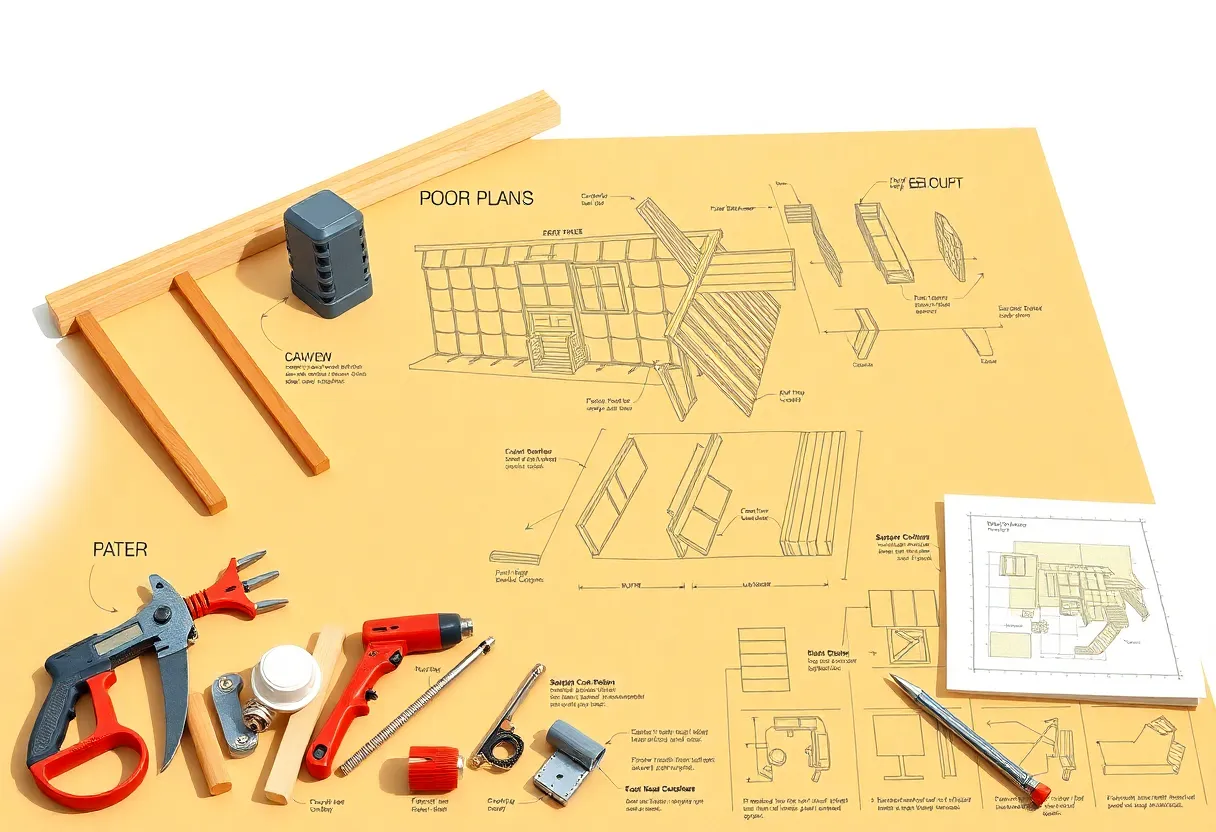
Before building, create a detailed plan. Consider the following:
Size and Location
Choose a location that receives ample sunlight, ideally south-facing. The size should accommodate your gardening needs while allowing enough space for walking and maintenance. A typical size ranges from 8×10 to 10×12 feet.
Design Options
Select a design that suits your aesthetic preferences and practical needs. Common options include:
- Lean-to Greenhouse: Attached to a wall, utilizing the structure’s support.
- Free-standing Greenhouse: A standalone unit that offers flexibility in placement.
- Gable-style Greenhouse: Traditional design featuring two sloped sides.
Materials for Your Roof Greenhouse
Choosing the right materials is vital for durability and insulation. Common materials include:
Framing Materials
- Wood: Affordable and easy to work with, wood frames can be susceptible to rot unless treated.
- Metal: Aluminum or galvanized steel provides strength and longevity but may require special tools for assembly.
- PVC: A lightweight option that is easy to assemble, yet may lack durability in extreme weather.
Glazing Options
- Polycarbonate Panels: Strong and energy-efficient, ideal for insulation.
- Glass: Provides excellent light transmission but is heavier and can break easily.
- Plastic Film: Budget-friendly but may require replacement more frequently due to wear and tear.
Construction Steps
Once you have your materials and plan, it’s time for construction:
1. Building the Frame
Begin with the frame, as it serves as the backbone of your greenhouse. Ensure it is square and level. Secure individual pieces firmly together to prevent wobbling.
2. Installing the Glazing
Once the frame is complete, install your chosen glazing material. For polycarbonate, cut panels slightly smaller than the frame to allow for expansion and contraction. Seal joints with weatherproof tape to prevent leaks.
3. Adding a Foundation
Even a rooftop greenhouse needs a sturdy base. Use pavers or a wooden platform to distribute weight evenly across the roof. They also help with drainage, reducing any risk of water pooling.
4. Ventilation System
A proper ventilation system is crucial for maintaining temperature and humidity. Install windows that can be manually opened or incorporate automatic roof venting to enhance airflow.
5. Insulation and Heating
Depending on your climate, insulation may be necessary. Consider using bubble wrap or installing thermal curtains. For colder climates, a small electric fan heater can maintain warmth during winter months.
Watering and Drainage Systems
Efficient watering and drainage are essential components of your greenhouse:
Watering System
Consider installing a drip irrigation system to supply water directly to the plants. This method conserves water while ensuring consistent moisture levels.
Drainage System
Your greenhouse must have proper drainage to prevent flooding and water damage. Ensure the foundation directs water away from the greenhouse and check if your roof’s slope aids in runoff.
Choosing Plants for Your Greenhouse
With construction complete, it’s time to choose the right plants. Select varieties that thrive in varying conditions:
Herbs and Vegetables
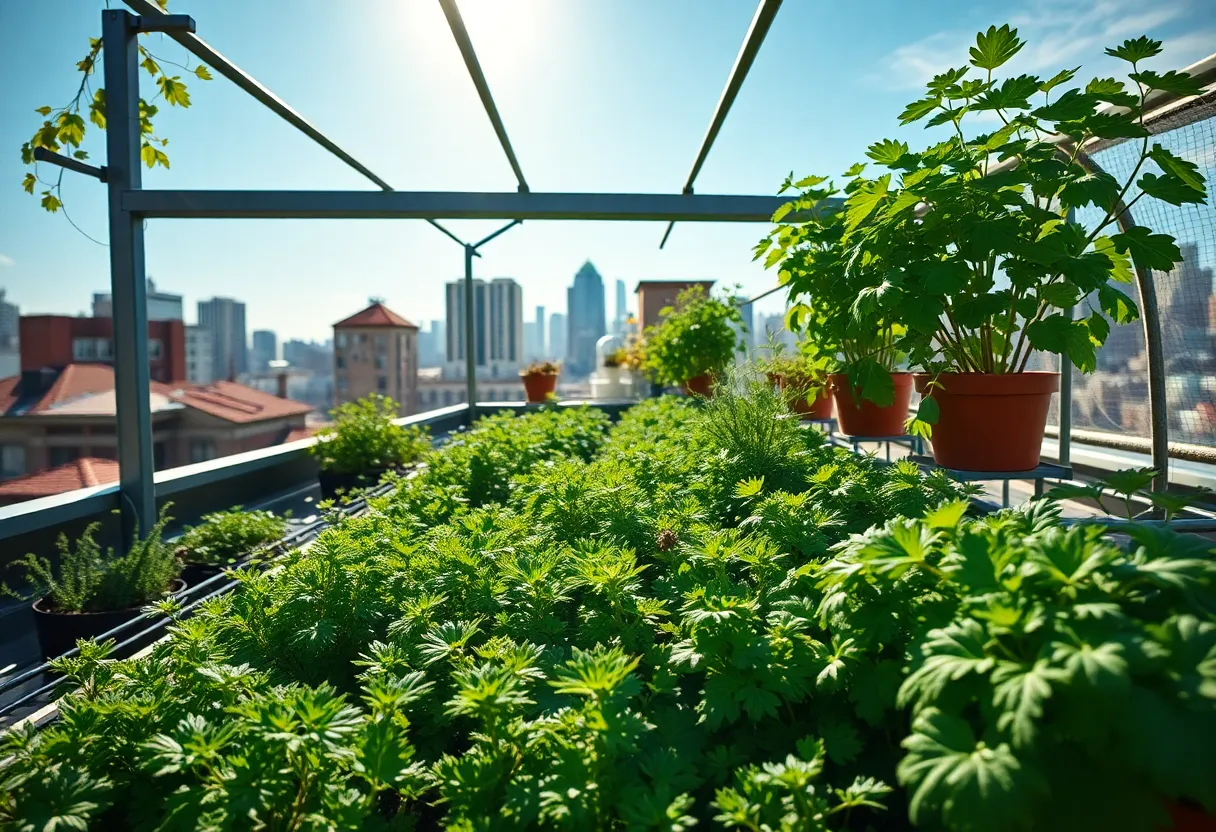
Herbs like basil, mint, and parsley thrive in greenhouse settings. Vegetables such as spinach, lettuce, and tomatoes are also well-suited for year-round growth.
Flowering Plants
Consider incorporating flowering plants for aesthetic appeal. Varieties like orchids and geraniums can flourish within your controlled environment.
Maintenance and Care
Regular maintenance ensures a healthy greenhouse environment. Follow these guidelines:
Cleaning
Periodically clean the glazing to allow maximum sunlight penetration. Winter debris like snow and ice should also be cleared off the roof to prevent weight accumulation.
Pest Control
Monitor for pests and diseases regularly. Implement organic pest control solutions to maintain a healthy growing environment.
Seasonal Adjustments
Adjust ventilation and heating as seasons change. Prepare for summer by shading semi-tropical plants, while ensuring warmth for cold-weather crops in winter.
Safety Precautions
Safety is paramount when constructing and using a rooftop greenhouse:
Personal Safety Gear
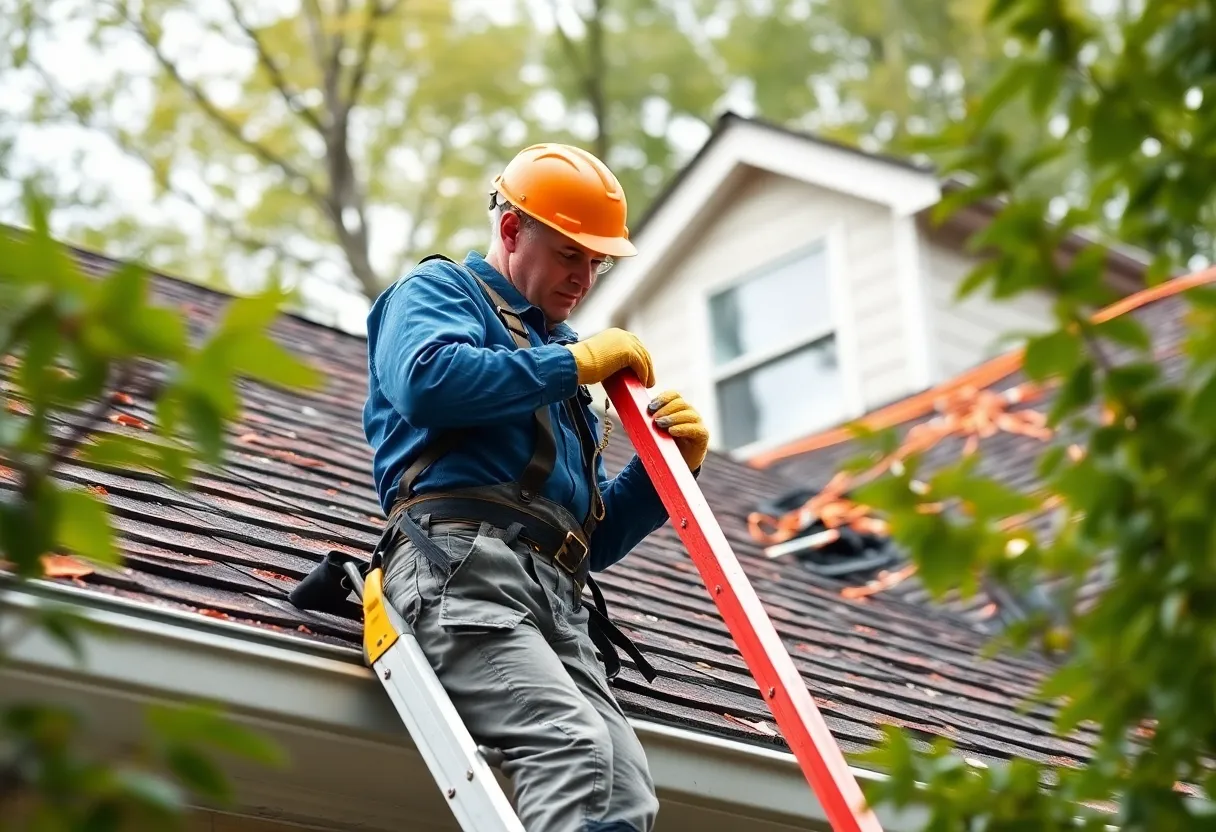
Always wear safety gear, including gloves, goggles, and a hard hat, during construction. Ensure you have a sturdy ladder and do not work alone on potentially hazardous tasks.
Emergency Protocols
Have a plan for emergencies, such as extreme weather warnings or structural damage. Regularly inspect the greenhouse and the structural integrity of your roof.
Conclusion
Constructing a DIY rooftop greenhouse offers an innovative solution for urban gardening. Proper planning, material selection, and construction techniques will ensure a long-lasting and productive space. By understanding weight limitations, adhering to local codes, and incorporating efficient designs, your greenhouse can flourish year-round. With careful maintenance and thoughtful plant selection, you can enjoy bountiful harvests in the heart of the city.

 Mays Contracting