
How Do I Choose the Best Roofing Solution for My DIY Project?
Choosing the right roofing solution for your DIY project can streamline your efforts and enhance the longevity of your structure. An informed decision is paramount. This article breaks down the essential factors to consider when selecting roofing materials, shapes, and styles, ensuring you make the best choice tailored to your specific needs.
Understanding Your Roofing Needs
First, you must assess your project’s unique requirements. Several aspects demand your attention:
1. Purpose of the Roof
Is it primarily for shelter, aesthetic appeal, or energy efficiency? Understanding the primary purpose of your roof helps narrow down the choices.
2. Climate Considerations
Your local weather conditions largely influence material selection. For instance:
- Hot Climates: Consider reflective materials to minimize heat absorption.
- Cold Climates: Choose materials that boast insulation properties to retain heat.
- Rainy or Snowy Regions: Look for waterproof materials to prevent leaks.
3. Aesthetic Preferences
This is subjective but crucial. Do you want a traditional look, or are you leaning towards a modern finish? Consult design manuals or roofing catalogs for visual inspiration.
Types of Roofing Materials
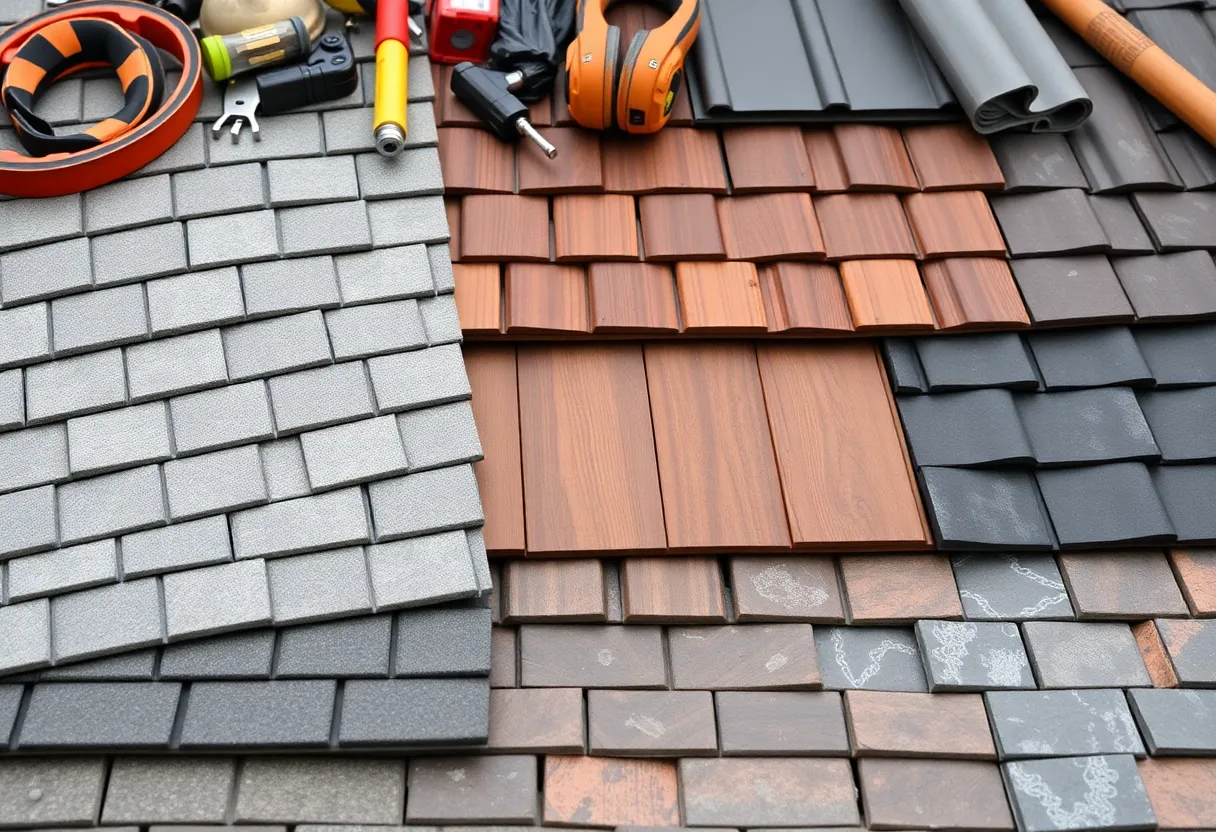
Once you’ve identified your roofing needs, the next step is to dive into the various types of roofing materials available.
1. Asphalt Shingles
Asphalt shingles are popular for their affordability and ease of installation. They come in various colors and styles, making them adaptable to different architectural designs. Nevertheless, their lifespan is relatively shorter when compared to other options, typically lasting 15-30 years.
2. Metal Roofing
Metal roofs are known for their durability and resistance to harsh weather conditions. They can last over 50 years with proper maintenance. Available in panels or shingles, they are also recyclable, making them a sustainable choice.
3. Wood Shakes and Shingles
Wood shingles provide a natural aesthetic appeal, great for cottages or rustic designs. However, they require regular maintenance to prevent mold and rot and typically have a lifespan of 15-30 years.
4. Slate and Tile Roofing
Slate and tile roofs are among the most durable and long-lasting options. They offer an upscale appearance but come with a higher upfront cost. Slate roofs can last over 100 years, making them a worthy investment for long-term homeowners.
5. Synthetic Roofing Materials
Synthetic roofing options mimic the appearance of traditional materials while providing enhanced features. They are often lighter and easier to install than natural counterparts, making them great for DIY projects.
Calculating Your Budget
Effective budgeting is critical. Understanding your financial boundaries can eliminate unsuitable roofing options early in the process.
1. Material Costs
Price per square foot varies significantly among different roofing materials. Asphalt shingles are generally the most budget-friendly, while slate roofs can command substantial investment.
2. Installation Expenses
If you’re hiring professionals, include labor costs in your budget. However, if you’re embarking on a DIY project, consider purchasing essential tools and safety gear.
3. Long-Term Maintenance
Factor in the long-term maintenance costs associated with your chosen material. Metals, for instance, may require periodic inspections but have fewer maintenance needs compared to wood shakes.
Evaluating Roofing Styles
Beyond materials, roofing styles also play a crucial role in functionality and aesthetics.
1. Pitched Roofs
Pitched roofs are popular for their effective water runoff capabilities. Available in various angles, they can provide ample attic space and ventilation.
2. Flat Roofs
Flat roofs can be cost-effective, providing usable space for outdoor living. However, they require excellent drainage to prevent water accumulation, which can lead to leaks.
3. Gable Roofs
Gable roofs are straightforward and cost-effective to install, creating high ceilings and additional attic space. They perform well under various weather conditions.
4. Hip Roofs
Hip roofs offer better stability and resilience in high winds as all sides slope down. They may be more complex to construct but are visually appealing.
DIY Installation: Tools and Skills
If you decide to install the roof yourself, ensure you possess the necessary skills and tools.
1. Essential Tools
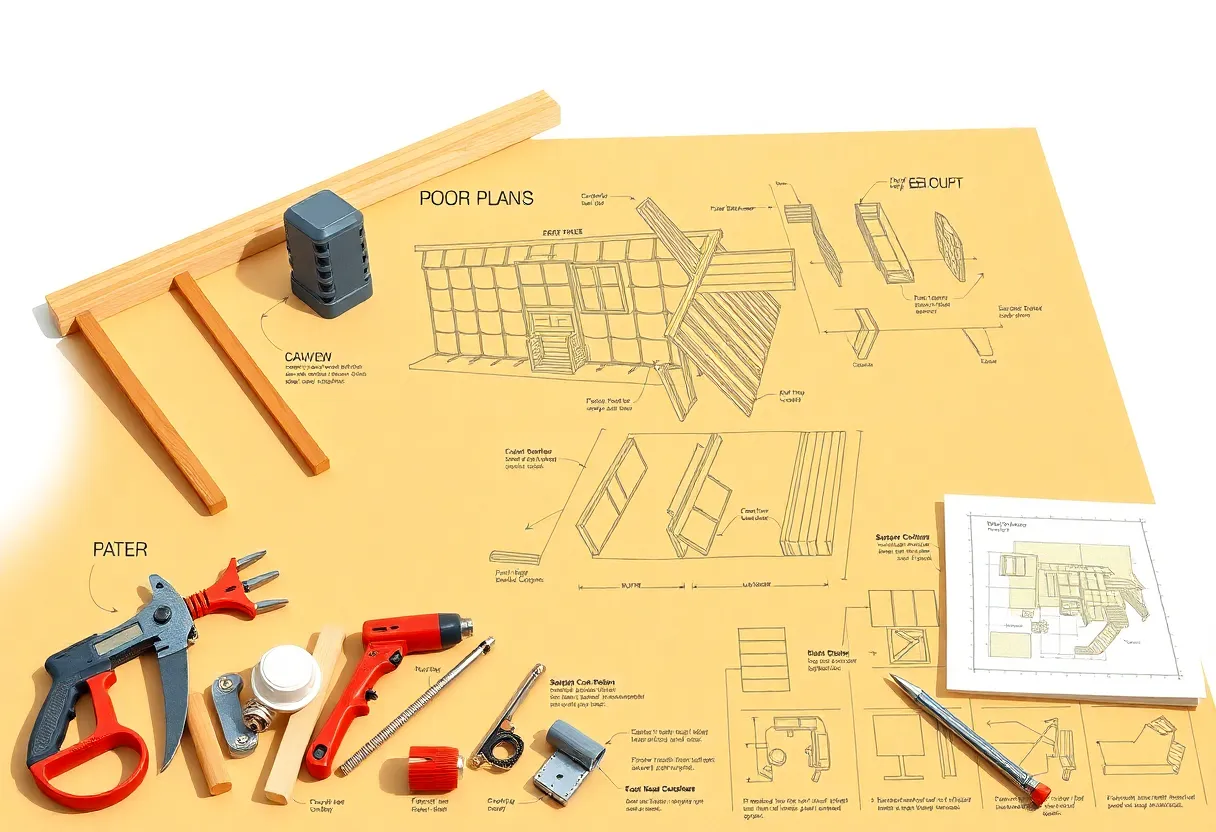
The basic tools you’ll need include:
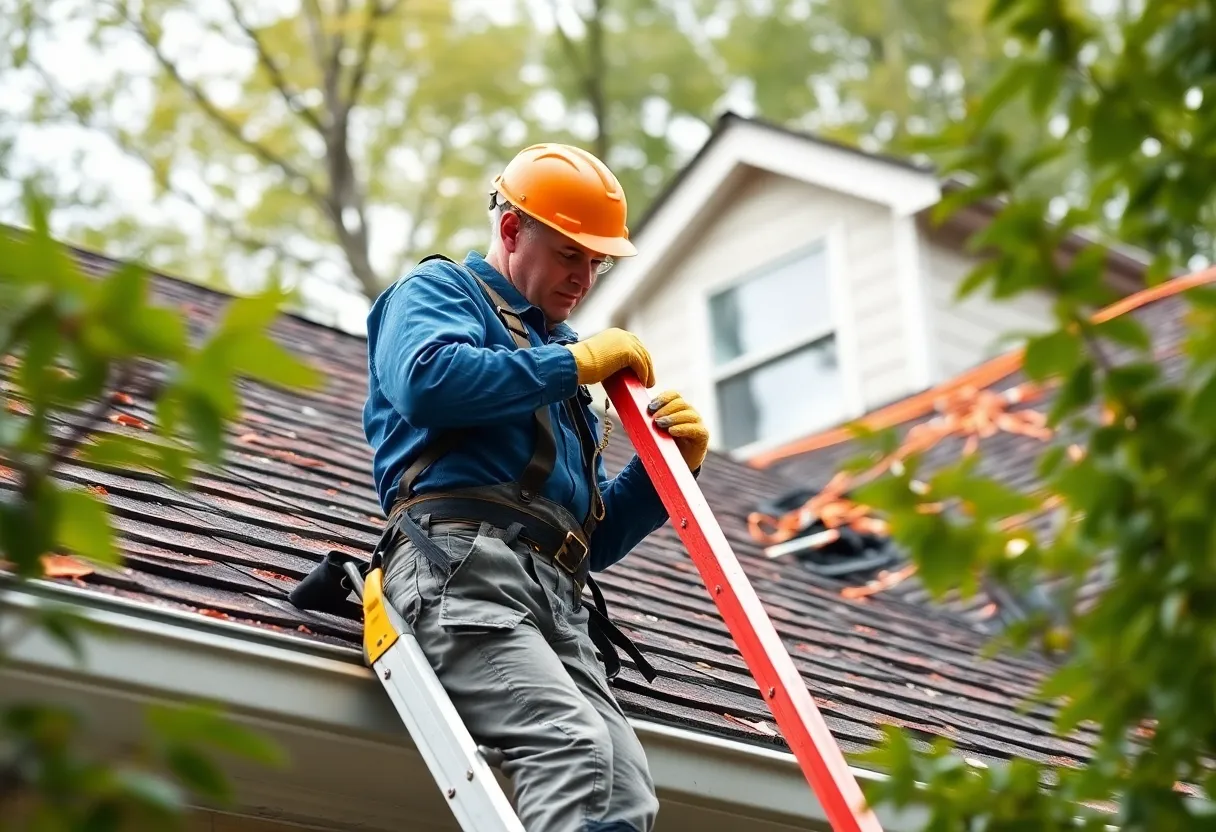
- Safety Gear: Helmets, harnesses, and safety glasses.
- Measuring Tools: Tape measures and levels.
- Cutting Tools: Saws or shears for trimming materials.
- Fastening Tools: Hammers, nail guns, or screws for securing materials.
2. Required Skills
Having some carpentry skills is advisable. Familiarity with tools, as well as the ability to follow measurements precisely, is crucial.
3. Learn Before You Leap
Consider enrolling in local workshops or online courses focused on roofing techniques. Gaining knowledge upfront can save time and costs.
Consulting with Experts
While DIY can be empowering, consulting roofing professionals can offer valuable insights. They can evaluate your roof’s structure, provide material recommendations, and suggest installation methods tailored to your project area.
Final Considerations
Before finalizing your roofing decision, take a moment to:
1. Review Local Building Codes
Local regulations may dictate specific materials or installation techniques. Ensure compliance to avoid legal issues down the road.
2. Assess Your Roof’s Architecture
Consider how your choice complements your home’s architecture. Mismatched roofing elements can detract from the entire home’s curb appeal.
3. Guarantee Longevity
Choosing a high-quality roof often means investing initially but reducing problems and replacement costs down the line.
Conclusion
Choosing the best roofing solution for your DIY project involves careful consideration of various factors including purpose, climate, aesthetics, materials, budget, and architecture. By analyzing these aspects and employing the guidance outlined in this article, you can select the ideal roofing option to ensure your project meets both your functional needs and aesthetic desires.

 Mays Contracting