

How to Choose the Best DIY Roofing Techniques for Your Home’s Unique Needs
Your roof is a critical component of your home. It protects you from the elements, enhances your home’s curb appeal, and contributes to energy efficiency. When considering roofing options, many homeowners contemplate taking the DIY approach. This article will guide you through selecting the best DIY roofing techniques tailored to your unique needs.
Assessing Your Roof’s Condition
Before diving into roofing techniques, it’s essential to evaluate your current roof’s condition. Look for:
- Damaged Shingles: Check for curling, cracking, or missing shingles.
- Leaks and Water Damage: Inspect the attic for signs of leaks or moisture.
- Age of Roofing Material: Identify how long the current roof has been installed.
- Structural Integrity: Ensure the underlying structure is sound.
By assessing these factors, you’ll better understand whether a repair, replacement, or specialized technique is necessary.
Identifying Material Options
Your choice of roofing material is vital. Each comes with its unique advantages and challenges:
Asphalt Shingles
Common for their affordability and ease of installation, asphalt shingles are ideal for DIY projects. They come in various colors and styles, allowing for customization while providing decent durability.
Metal Roofing
Metal roofing boasts longevity and energy efficiency. While more expensive initially, it often pays off in savings over time. Be aware that installation might require special tools and skills.
Wood Shakes or Shingles
These options offer a rustic aesthetic. However, they demand more maintenance and are prone to weathering. Additionally, some regions impose restrictions due to fire risk.
Flat Roofing Materials
Commonly used in commercial buildings, flat roofs require different techniques and materials such as EPDM, TPO, or modified bitumen. Ensure you understand the unique needs associated with these materials.
Evaluating Local Climate Conditions
Your local climate greatly influences the durability and longevity of roofing materials. Extreme weather conditions can affect your choice, for example:
- Heavy Rain: Choose materials that resist water absorption, like metal or slate.
- Snow and Ice: Opt for sloped designs and materials that can handle extra weight without damage.
- Extreme Heat: Light-colored materials can reflect sunlight, keeping your home cooler.
- Windy Areas: Secure materials with higher wind ratings to prevent damage.
Understanding the DIY Process
Once you have selected your materials, it’s time to outline the DIY roofing process:
Preparation Steps
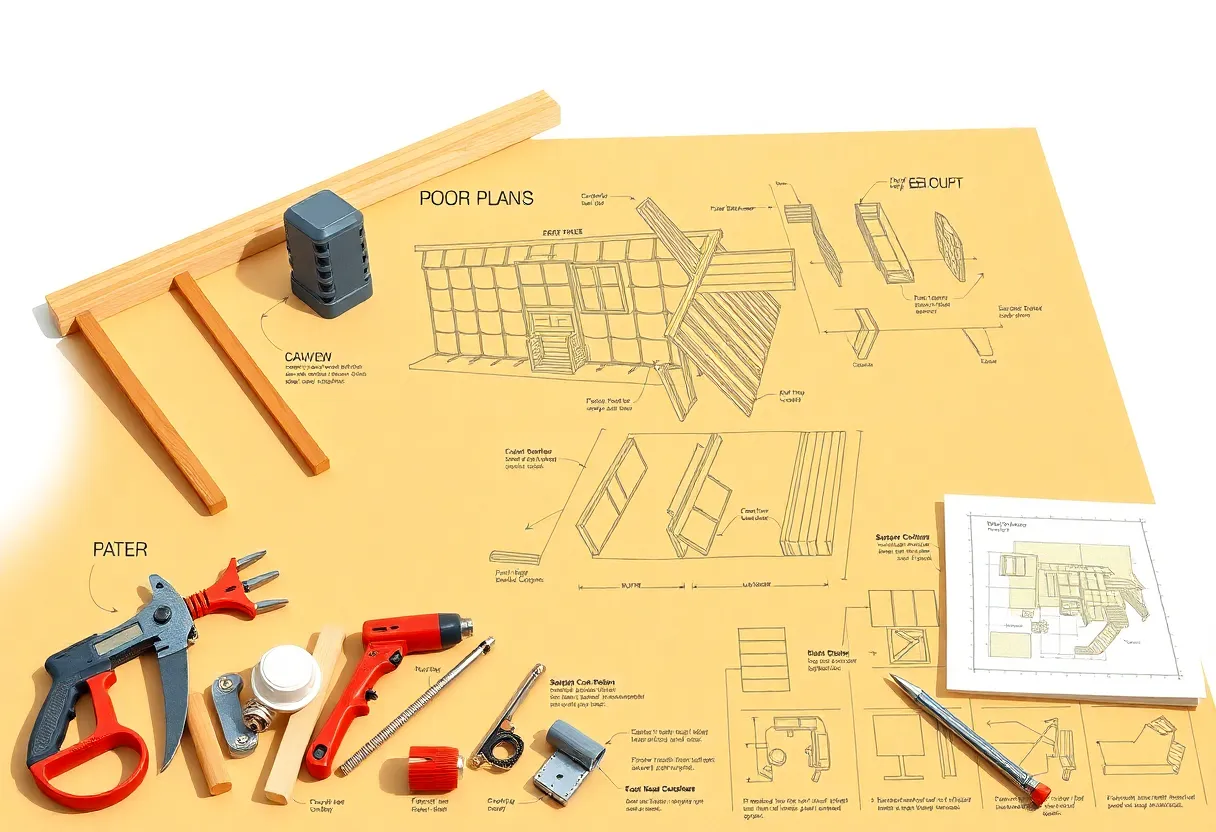
- Gather Tools: Invest in quality tools such as a roofing nailer, safety harness, and ladder.
- Obtain Necessary Permits: Check with your local government regarding building codes and permits.
- Clear the Area: Remove obstacles around your home to ensure a safe working environment.
Installation Techniques
Different materials require unique installation techniques:
- Shingle Installation: Start at the roof’s base, overlapping each row to provide protection against water ingress.
- Metal Roofs: Use proper fastening techniques to secure panels against high winds.
- Flat Roofs: Ensure seams are thoroughly sealed to prevent leaks.
Safety Considerations
Safety should always be your top priority when undertaking a DIY roofing project:
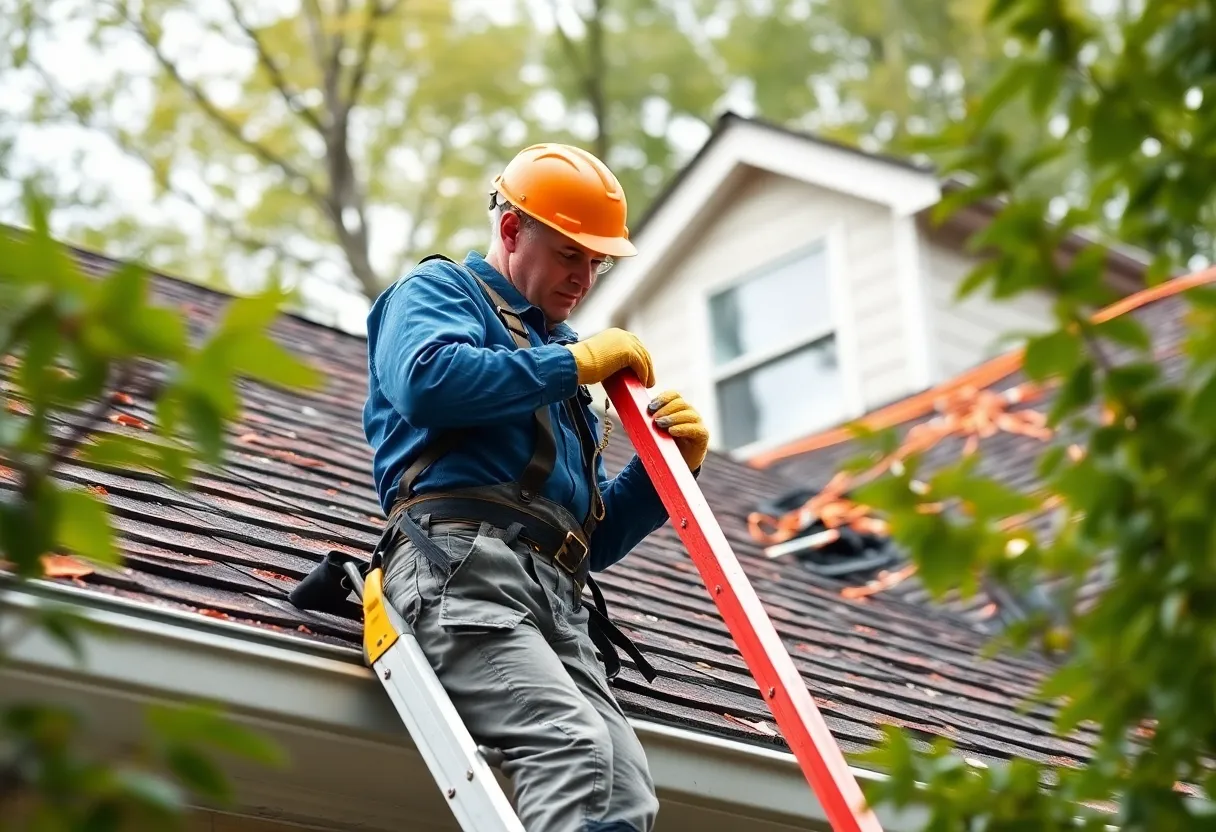
- Use a Safety Harness: Accidents can happen, so it’s crucial to secure yourself.
- Wear Appropriate Gear: Use non-slip shoes and safety goggles.
- Work with a Partner: Having someone around can help in case of emergencies and assist with heavy lifting.
Common Mistakes to Avoid
The following are frequent pitfalls during DIY roofing projects:
- Ignoring Roof Slope: Failing to factor in slope can lead to future water pooling issues.
- Overlapping Mistakes: Incorrectly overlapping shingles or materials defeats their purpose.
- Skipping Underlayment: It acts as an additional layer of protection against moisture.
When to Call a Professional
While DIY roofing can be fulfilling, circumstances may warrant hiring professionals. Consider bringing in experts when:
- The Roof Structure is Compromised: If the structural integrity is in question, professional help is essential.
- Work Involves Complex Techniques: Some installations may require specialized tools or experience.
- You are Unsure of Local Codes: Professionals ensure compliance with safety regulations.
Final Thoughts: Making the Best Choice
Your home deserves a roof that meets both your aesthetic and functional needs. Take the time to weigh all factors carefully. Understand your abilities, assess your roof’s condition, and choose materials wisely. Whether you opt for a full DIY project or just partial work, make informed decisions for the longevity and safety of your roof.
Investing time in research and preparation will pay off. With the right techniques tailored to your unique needs, your roofing project can be a successful endeavor. Always prioritize safety and quality, ensuring your home remains protected for years to come.

 Mays Contracting