Anglers heading out onto Lake Greenwood, the Saluda River, or Long Cane Creek this summer are advised to review comprehensive safety guidelines designed to mitigate risks associated with high temperatures and prolonged sun exposure. The recommendations cover everything from proper sun protection and hydration to recognizing and responding to heat-related emergencies and ensuring boat safety.
One of the primary concerns for those spending extended periods on the water is protection from the sun’s potent ultraviolet (UV) rays. The sun is at its strongest between 10 AM and 4 PM, and the reflective properties of water surfaces can intensify this exposure, bouncing up to 15% of UV radiation back at anglers. To counter this, experts recommend applying broad-spectrum sunscreen with an SPF of at least 30, with SPF 50 or higher suggested for individuals anticipating significant time on the water. Sunscreen should be applied approximately 30 minutes before venturing outdoors and reapplied every two hours, or more frequently if sweating heavily or after splashing.
Beyond sunscreen, protective clothing plays a crucial role. Lightweight, long-sleeved garments with a UPF (Ultraviolet Protection Factor) rating are highly effective, as are light-colored clothes that reflect sunlight rather than absorbing it. A wide-brimmed hat, offering at least four inches of coverage around the head and neck, provides essential shade. Polarized sunglasses with 100% UV protection are also vital for safeguarding eyes from both direct and reflected sunlight.
Dehydration poses another significant risk in warm weather. Anglers are advised to consume at least eight ounces of water every 15 to 20 minutes during active fishing trips. Beverages high in caffeine or alcohol should be avoided, as they can contribute to dehydration. For those engaging in strenuous activity or sweating profusely, sports drinks can help replenish electrolytes lost through perspiration, maintaining the body’s fluid balance.
Understanding the signs of heat-related illness is paramount. Heat exhaustion, a less severe but still serious condition, manifests through symptoms such as heavy sweating, general weakness, nausea, headache, and muscle cramps. If these symptoms appear, individuals should move to a cooler, shaded area, loosen clothing, and rehydrate. Heat stroke, however, is a medical emergency requiring immediate attention. Its symptoms include a body temperature exceeding 103°F, an altered mental state, hot and dry skin (though sweating may still be present), a rapid pulse, and potential unconsciousness. In cases of suspected heat stroke, calling 911 immediately and initiating aggressive cooling measures, such as applying cool water or ice packs, is critical.
Strategic planning can also reduce exposure to extreme heat. Fishing during cooler parts of the day, such as before sunrise or in the evening hours, is highly recommended. When fishing during peak heat, seeking out shaded areas, targeting deeper waters, or utilizing covered structures can provide some relief from direct sun and high temperatures.
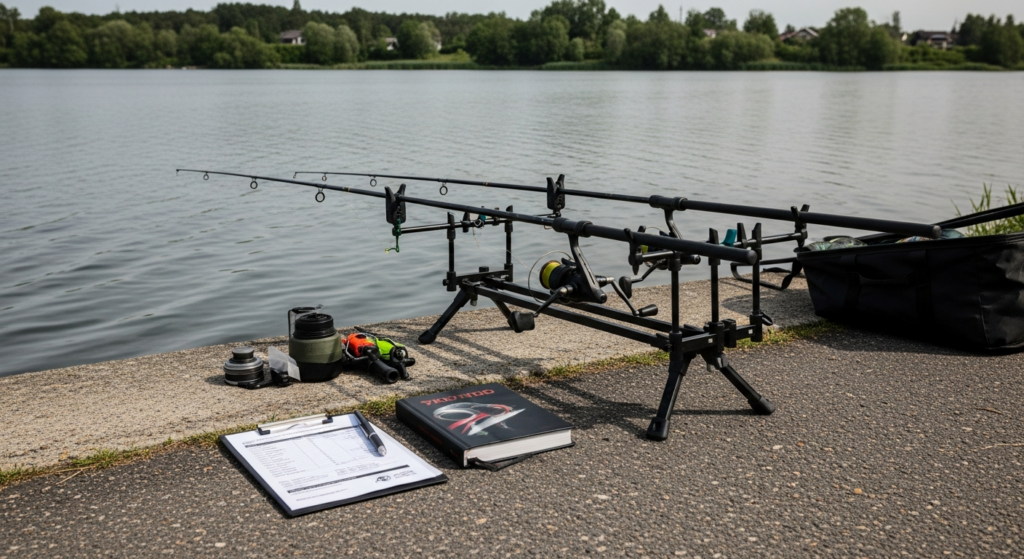
For those venturing out on boats, additional precautions are necessary. Before departure, boat anglers should conduct thorough checks of engine cooling systems and ensure all safety equipment, including life vests, is in good working order. Filing a float plan with a trusted contact, detailing the planned route and expected return time, is a prudent safety measure. Carrying extra water, with a minimum of one gallon per person per day for emergencies, is essential, as are other emergency supplies, including a VHF radio for communication. Prioritizing safety over extending a fishing trip, especially when conditions become challenging, is a key takeaway from the guidelines.
Why it matters in Greenwood
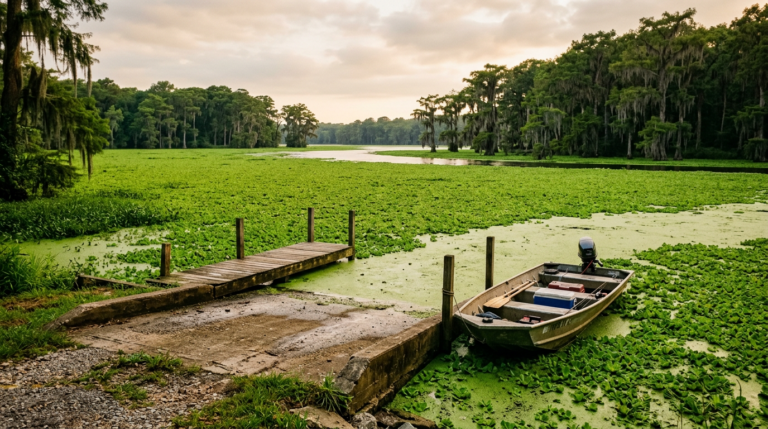
Greenwood’s numerous waterways, including Lake Greenwood and sections of the Saluda River, are popular destinations for recreational fishing, particularly during the summer months. As more residents and visitors take to the water, awareness of heat-related risks becomes increasingly important. Local institutions like Self Regional Healthcare often see an uptick in heat-related emergency room visits during prolonged periods of high temperatures. By following these safety guidelines, anglers can help reduce the strain on emergency services and ensure a safer, more enjoyable experience on Greenwood’s cherished natural resources. These precautions are vital for the well-being of individuals enjoying the outdoors in Greenwood County.