For many outdoor enthusiasts in Greenwood, the pursuit of wild turkeys represents a cherished tradition, blending skill, patience, and a deep understanding of the natural environment. While the spring turkey seasons are still distant on the calendar, experienced hunters understand that thorough preparation in the off-season is paramount. A comprehensive checklist of gear and strategies can make the difference between a challenging hunt and a rewarding one.
Legal Essentials and Documentation
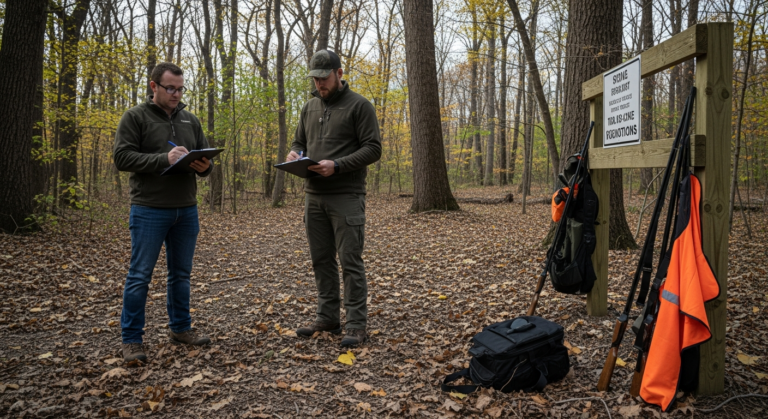
Before heading into the field, ensuring all legal requirements are met is the first step for any responsible hunter. Turkey hunters are strongly advised to keep their state-issued tags readily accessible, along with a reliable pen. This seemingly minor detail is critical for immediate validation should a bird be harvested. The ability to tag a bird promptly and legally upon taking it is not only a regulatory necessity but also a fundamental aspect of ethical hunting. Familiarity with specific state regulations regarding bag limits, season dates, and permissible hunting methods is also essential, as these rules can vary and are subject to change annually. For hunters operating near the Sumter National Forest – Long Cane District, understanding the specific regulations for that area is particularly important.
Concealment and Camouflage
Wild turkeys possess exceptionally sharp eyesight, a primary defense mechanism that demands meticulous attention to concealment from hunters. To effectively counter this, hunters must prioritize camouflage that breaks up their human outline and minimizes any perceptible movement. The choice of camouflage pattern should be tailored to the specific environment where hunting will occur; patterns designed for hardwood ridges, pine flats, or western sage draws offer distinct advantages depending on the terrain. Beyond clothing, covering exposed skin is equally vital. Gloves and a face mask are indispensable items, as uncovered hands and faces can easily catch a turkey’s keen eye, even from a distance. The goal is to blend seamlessly into the surroundings, becoming an indistinguishable part of the natural landscape.
Weaponry and Ammunition
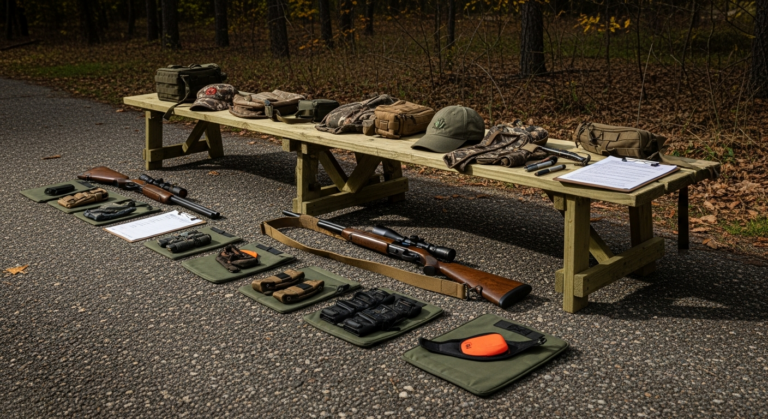
The choice of weapon for turkey hunting typically includes shotguns, muzzleloaders, or archery equipment, with specific regulations varying by state. Shotgun hunters should ensure their firearm is clean, properly maintained, and sighted in. For those opting for archery, a rigorous pre-season regimen is crucial. Bowhunters must verify that their setup is meticulously tuned and compliant with state regulations. This includes checking draw weight, arrow spine, and broadhead alignment. Practicing from realistic seated positions, mimicking typical hunting scenarios, is also highly recommended to build muscle memory and accuracy under field conditions. Regardless of the chosen weapon, understanding its capabilities and limitations is fundamental to ethical and effective hunting.
Choke and Broadhead Optimization
Beyond the primary weapon, optimizing its performance through specialized components is key. Shotgun hunters should dedicate time to pattern-testing their chosen ammunition with a properly installed turkey choke. A turkey choke is designed to constrict the shot pattern, delivering a denser, more concentrated spread at typical turkey hunting ranges. Testing various choke and ammunition combinations helps identify the most effective setup for maximum lethality and minimal pellet spread. For bowhunters, the selection and testing of broadheads are equally critical. Researching different broadhead designs for accuracy, penetration, and reliability is essential. Practicing with the chosen broadheads ensures they fly true with the hunting arrows and provides confidence in their performance when it matters most.
Hearing Protection and Calling Equipment
Modern electronic ear protection is an indispensable item for shotgun hunters. These devices amplify ambient sounds, allowing hunters to hear subtle turkey calls and movements, while simultaneously providing instant protection against the damaging noise of a gunshot. The ability to hear clearly without risking hearing damage is a significant advantage in the field. Complementing this, a diverse array of calling equipment is vital for attracting turkeys. Hunters should carry multiple call types, such as diaphragm calls for hands-free operation, slate or glass pot-and-striker calls for realistic yelps and purrs, box calls for loud, far-reaching sounds, and traditional wing bone calls. Proficiency with various calls allows hunters to adapt to different scenarios and elicit responses from wary birds.
Navigation and Scouting Tools
Effective navigation and pre-hunt scouting are foundational to successful turkey hunting. Modern technology offers powerful tools, such as mapping applications like HuntStand and onX Hunt. These applications provide detailed satellite imagery, topographic maps, and property boundary overlays, which are invaluable for identifying legal hunting areas, access points, and potential roosting habitat. Hunters can use these tools to scout travel corridors, locate food sources, and understand the lay of the land without physically disturbing the area. Understanding the terrain and having reliable navigation ensures hunters can move efficiently, avoid trespassing, and safely return to their starting points, especially in expansive areas like those surrounding Greenwood.
Essential Field Gear and Comfort
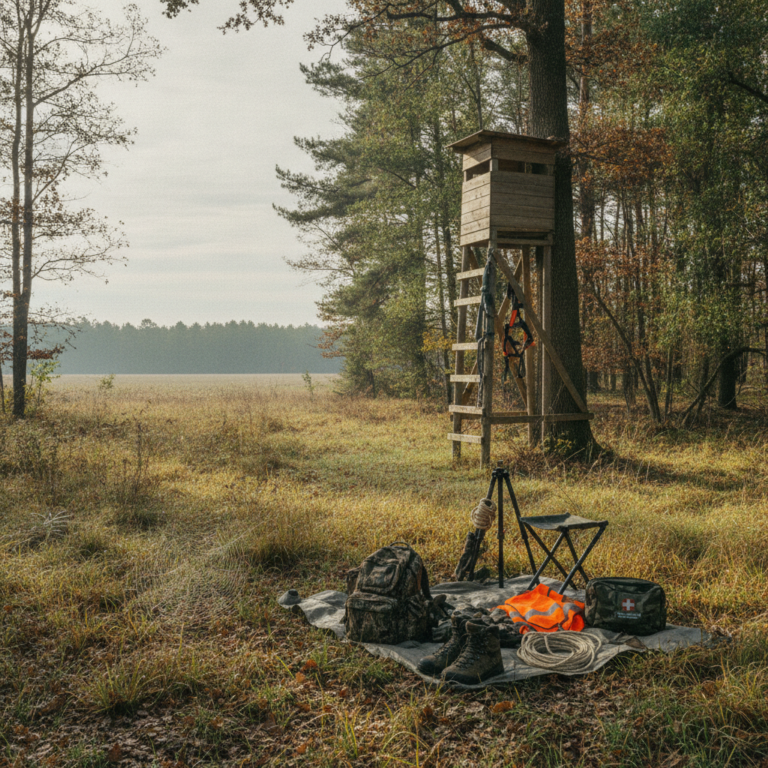
Beyond the primary hunting equipment, a range of field gear contributes significantly to comfort, safety, and success. Carrying sufficient water and food is crucial for maintaining energy and hydration during long hours in the field. A sharp, reliable knife is indispensable for field dressing and processing a harvested bird. Optics, such as binoculars, aid in spotting distant turkeys or identifying movement in dense cover. A compact first aid kit is a non-negotiable item for addressing minor injuries or emergencies. All these items, along with calls and ammunition, can be efficiently organized and carried in a dedicated turkey vest or a lightweight backpack, ensuring easy access and comfort throughout the hunt.
Seasonal Considerations and Optional Gear
While the primary focus is on spring hunts, some preparations are relevant year-round. For comfort and protection, especially during the warmer months, clothing treated with permethrin offers excellent defense against ticks, which are prevalent in many hunting areas. During peak mosquito season, which aligns with summer in Greenwood, a Thermacell device can provide a significant deterrent, allowing hunters to remain focused and still. Hunters are also advised to meticulously follow their state’s specific turkey-hunting rules, which may include requirements for hunter orange or specific tagging procedures. Optional gear, such as rangefinders for precise distance measurement or shooting sticks for added stability, should be tailored to individual hunting styles and the expected field conditions, enhancing the overall hunting experience.
Why it matters in Greenwood
For many residents of Greenwood and the surrounding Lakelands region, turkey hunting is more than a pastime; it is a connection to the area’s rich natural heritage and a significant outdoor recreational activity. The proximity of expansive natural areas, including the Sumter National Forest – Long Cane District, provides ample opportunities for hunters to engage with the local environment. Thorough preseason preparation, as outlined in this guide, directly contributes to responsible wildlife management and hunter safety, ensuring that these traditions can be sustained for future generations. By adhering to best practices and respecting the land, Greenwood’s hunting community plays a vital role in preserving the ecological balance and outdoor recreational value of the region.