With the deer season approaching, hunters in Greenwood and the surrounding Lakelands region are undertaking a comprehensive series of preparations designed to ensure both safety and success in the field. This detailed preseason regimen covers everything from weapon maintenance to advanced mapping techniques and camp readiness, reflecting the commitment required for effective hunting.
Weaponry inspection is a critical first step. For archers, this involves a thorough examination of bows, checking for any signs of wear or separation in limbs, cams, and strings. Regular waxing of strings is recommended, and any questionable components should be replaced proactively. Consistent practice shooting is emphasized to build and maintain accuracy. Rifle owners are advised to clean and oil their firearms, verify scope mounts, and confirm the rifle’s zero at a shooting range. For those using broadheads, an arrow spinner is a crucial tool to check for straightness and alignment, as even minor wobbles can significantly impact arrow flight and accuracy.
Beyond weapons, personal gear and clothing require careful attention. Hunting apparel should be washed with scent-free detergents, and thoroughly inspected for holes, worn seams, or fading that could compromise camouflage or comfort. New footwear should be broken in well in advance of the season, and waterproofing verified. Treestands, ladder stands, and climbing sticks demand rigorous inspection for rust, loose fasteners, cracks, or frayed straps, with a full-body harness and lifeline tested for proper function. Handheld GPS units need to be charged, or mapping applications downloaded and updated on mobile devices. Given the prevalence of tick-borne illnesses, treating clothing with permethrin is a recommended preventive measure.
Strategic stand placement is a cornerstone of successful deer hunting. Guides suggest identifying natural pinch points, funnels, creek crossings, and staging areas located near food sources or bedding grounds. Particular attention is given to locations where mature bucks are likely to feel secure moving during daylight hours. Hanging stands as early as possible minimizes disturbance, and trimming shooting lanes should be done conservatively to reduce noise and exposure. All methods employed during stand setup should prioritize quietness and scent control to avoid alerting deer.
Modern technology plays an increasingly significant role in preseason scouting. Map scouting recommendations include studying contour lines to identify saddles, ridges, and draws, which often serve as natural travel corridors for deer. Identifying creeks, ponds, and low spots can reveal crucial water sources. Satellite maps are invaluable for marking agricultural fields, oak stands, and natural browse areas. Hunters also evaluate trailheads and access points to plan entry and exit routes that account for varying wind conditions, minimizing the risk of spooking deer. Advanced mapping tools, such as the Xtra add-on for REVEAL plans, offer features like property boundaries, landowner information, and on-the-ground navigation, starting at approximately $4 per month.
Trail cameras are essential for inventorying local deer populations and patterning their movements. Recommended locations include mineral licks for early season inventory and patterning, trails connecting bedding areas to feeding grounds, and field edges or corners for monitoring evening movement over food sources. Water sources can be particularly effective camera locations, especially during hot periods or the rut. Power options for these cameras range from lithium cartridges and solar panels to larger battery belts, ensuring continuous operation.
Before deploying trail cameras, several steps are advised. Batteries should be fully charged, and SD cards formatted and labeled if they are being used. Testing the camera’s field of view, motion activation, flash, and other settings is crucial. Cellular cameras require activation and updating before being left in the field, and using the most recent version of the REVEAL app ensures optimal functionality. Some newer models, such as the Ultra and REVEAL 3.0 series, feature internal memory, making external SD cards optional.
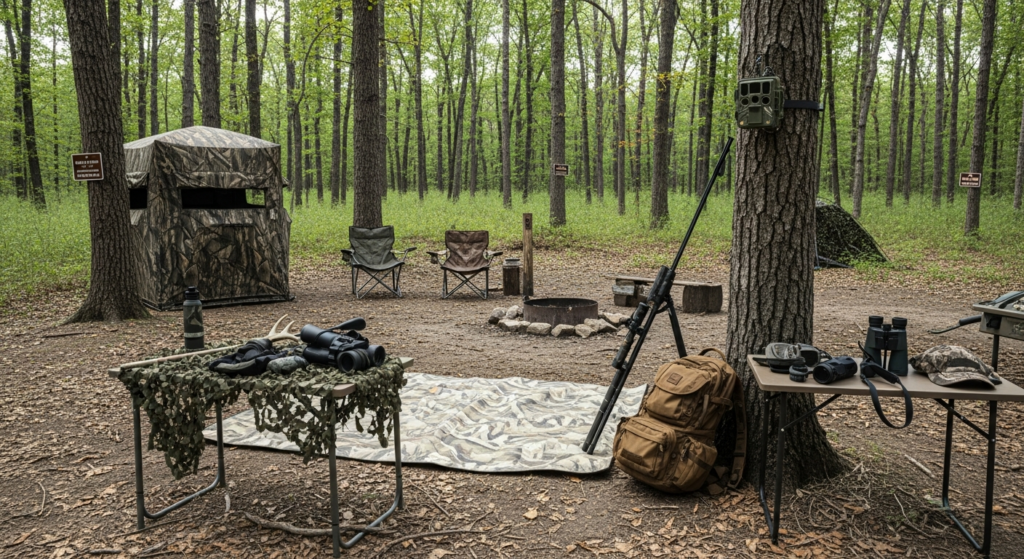
Finally, camp and personal readiness complete the preseason checklist. Tents and campers should be inspected for wear, missing stakes, cracked poles, or other damaged items. Sleeping bags and pillows benefit from washing or airing out. Fuel canisters for camping stoves need to be filled, and all cutlery accounted for. Practicing shooting while wearing hunting clothes helps simulate real-world conditions. Packs should be checked for essential items such including tags, snacks, water, a valid license, and a first-aid kit. Coordinating plans with private-land owners is also a key step. Physical conditioning, including getting in shape for long hikes and climbs, is emphasized for the demanding nature of hunting in the varied terrain around Greenwood.
Why it matters in Greenwood
For many in Greenwood, the annual deer season is a significant cultural and recreational event, deeply tied to the region’s outdoor heritage. The meticulous preparation outlined in these guidelines directly impacts the safety and success of hunters who frequent areas like the Sumter National Forest – Long Cane District or private lands surrounding Lake Greenwood. Beyond recreation, hunting contributes to local economies, supporting businesses that supply gear, ammunition, and other necessities. Adherence to these preparatory steps helps ensure responsible wildlife management and fosters a safer environment for all who engage with the natural landscapes of Greenwood County.