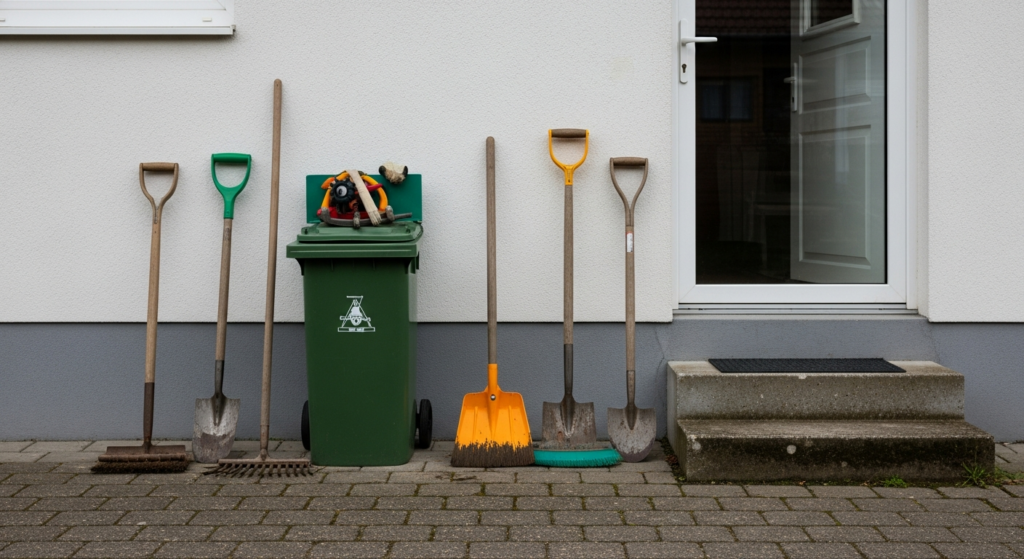
A comprehensive guide to summer home maintenance, covering everything from indoor cooling systems to exterior landscaping and pool care, offers Greenwood residents a structured approach to property upkeep as the season progresses.
The checklist emphasizes the importance of regular indoor maintenance for efficiency and air quality. Homeowners are advised to change air-conditioning filters at least every 90 days, or monthly for individuals with allergies, to ensure optimal system performance and reduce airborne irritants. Cleaning vents, air ducts, and exhaust fans is also recommended to improve air circulation and prevent dust buildup. To enhance cooling efficiency, ceiling fans should be reversed to a counterclockwise rotation, pushing cool air down. Replacing heavy winter bedding with lighter linen or cotton materials and checking window treatments for proper insulation are simple steps to manage indoor temperatures. Plumbing fixtures should be inspected for leaks, which can lead to water damage and increased utility bills. Cleaning refrigerator and freezer coils annually helps maintain appliance efficiency, while vacuuming the dryer vent annually is crucial for preventing house fires. Finally, checking damp areas for mold growth is vital for maintaining a healthy indoor environment.
Exterior maintenance tasks are critical for protecting a home’s structural integrity and curb appeal. The guide suggests inspecting siding for damage and power-washing it to remove dirt and grime. Touching up exterior paint not only refreshes the home’s appearance but also protects surfaces from weather exposure. Washing and weatherproofing windows can prevent drafts and improve energy efficiency. Cleaning gutters regularly prevents water overflow, which can damage foundations and landscaping. Homeowners should inspect their foundation for cracks and leaks, as these can contribute to flooding and elevated radon levels. Servicing the AC unit professionally ensures it operates efficiently during peak demand. Cleaning outdoor furniture, resealing patios or decks, and repairing driveway and walkway cracks are also recommended. Inspecting fencing for damage and making minor exterior repairs proactively can prevent more significant issues later. Additionally, relocating paint, chemicals, and solvents from hot garages to a stable, moderate-temperature storage area helps prevent degradation and potential hazards.
Summer landscaping efforts are essential for maintaining healthy outdoor spaces. The checklist advises removing winter-damaged plants and lawn debris to prepare for new growth. Mowing and edging with the mower on its highest setting promotes stronger, healthier grass roots. Watering plants every three to four days, or more frequently during heat waves, is crucial, with sprinklers adjusted to provide 1 to 1.5 inches of water per week. Watering at dawn minimizes evaporation and allows plants to absorb moisture effectively. Pruning plants and shrubs, weeding, and deadheading flowers contribute to plant health and aesthetic appeal. Regular inspection for pests such as termites, mosquitoes, ants, and silverfish helps prevent infestations.
For homes with pools, the guide provides detailed steps for opening them when outside temperatures consistently exceed 70 degrees Fahrenheit during the day. This includes removing and storing the pool cover, cleaning the surrounding deck, and removing winter guards and plugs. Clearing and cleaning filters, skimmers, pumps, and drains are essential for proper water circulation. After reinstalling accessories, the pool should be filled to the middle of the skimmer. Preparing the pump, filter, and heater for operation and turning on the pump initiates the circulation process. Removing debris, vacuuming, and scrubbing the pool are necessary to ensure cleanliness. The pool opening process also requires adding opening chemicals and pool shock, followed by testing and balancing pH, alkalinity, calcium hardness, cyanuric acid, and chlorine levels. After running the pool for 24 hours, the water should be retested, and additional chemicals added if needed to achieve optimal balance.
Professional inspections offer an in-depth assessment of a home’s condition. A full home inspection, which typically costs about $350, with a stated range of $300 to $425, can evaluate major appliances, electrical systems, plumbing, HVAC systems, and the foundation. An HVAC tune-up, costing between $75 and $200, ensures the cooling system is running efficiently and can identify potential issues before they become major problems. These inspections can provide peace of mind and help homeowners prioritize repairs.
The guide also highlights specific benefits of certain maintenance actions. Medium-colored drapes with white plastic backing, for instance, can reduce heat gains by 33%, contributing to lower cooling costs. Addressing foundation cracks promptly is important not only for structural integrity but also because they can contribute to flooding and higher radon levels. Clean dryer vents are emphasized as a key measure in preventing house fires, underscoring the safety aspect of routine maintenance.
Why it matters in Greenwood
Maintaining homes in Greenwood is a critical aspect of preserving property values and ensuring the safety and well-being of residents across neighborhoods like Bentley Park and Grand Harbor. Proactive measures, such as regular HVAC servicing and insulation checks, can directly impact energy consumption, a significant concern for families and businesses in the Lakelands region during the hot summer months. Addressing issues like foundation cracks not only protects individual investments but also contributes to the overall resilience of the community’s housing stock against potential environmental challenges. Furthermore, fire prevention through tasks like dryer vent cleaning is a public safety imperative, reducing strain on local emergency services and safeguarding homes throughout Greenwood County.