The rapid expansion of artificial intelligence capabilities is reshaping the landscape of technology infrastructure, with a critical shift in focus from the availability of advanced microchips to the sheer demand for electrical power. Industry analysis indicates that the primary bottleneck for AI development is no longer chip manufacturing capacity, but rather the ability of existing electrical grids to supply the immense energy required by AI data centers.
These specialized data centers, essential for training and running complex AI models, consume vast amounts of electricity. The power demands are so significant that they are beginning to strain grid reliability in various regions, prompting utilities and infrastructure planners to re-evaluate long-term energy strategies. The shift underscores a fundamental challenge: while computational power continues to advance, the physical infrastructure needed to fuel it must keep pace.
This evolving dynamic necessitates careful planning for communities like Greenwood, where a stable and robust power supply is critical for both residential needs and the operations of major employers and institutions. The national trend highlights that the reliability of the electrical grid is paramount, not just for everyday life but also for the economic stability and growth of areas hosting significant industrial and educational facilities.
While no specific AI data center projects have been announced within Greenwood, the broader implications of increased power demand resonate locally. Large institutions and businesses, such as Self Regional Healthcare, Eaton Corporation, Lander University, and Piedmont Technical College, are substantial consumers of electricity. Their continued operation and potential for growth depend on a reliable and expandable power infrastructure.
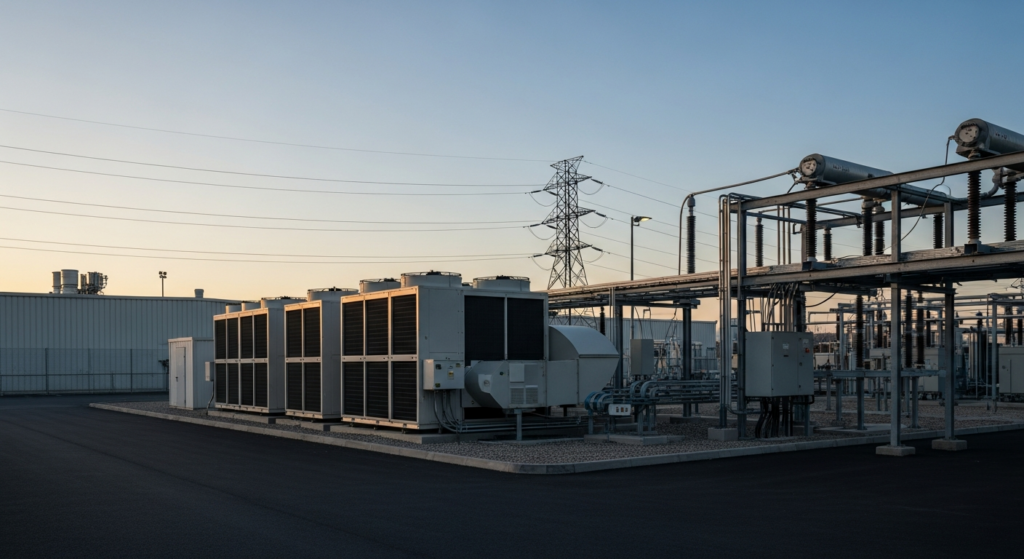
Utility providers and local government officials in Greenwood are tasked with ensuring that the city’s energy infrastructure can withstand current demands and adapt to future pressures. This includes assessing the capacity of transmission lines, substations, and generation sources to prevent potential overloads that could lead to service disruptions. The national conversation around AI’s energy footprint serves as a reminder for all communities to proactively address their energy planning.
Why it matters in Greenwood
The increasing national demand for electricity from AI data centers carries implications for communities like Greenwood, where a stable and robust power grid is fundamental to the operations of its largest employers and institutions. Entities such as Self Regional Healthcare, which provides critical services, and educational anchors like Lander University and Piedmont Technical College, rely heavily on uninterrupted power supply. The broader trend of escalating energy consumption for advanced computing means that local utility providers and city planners in Greenwood must continuously assess and potentially upgrade infrastructure to meet current needs and prepare for future demands, ensuring the reliability essential for economic stability and public services within Greenwood County.
Section: More Greenwood SC business news
Greenwood business profiles
Filed under: Greenwood SC Business News