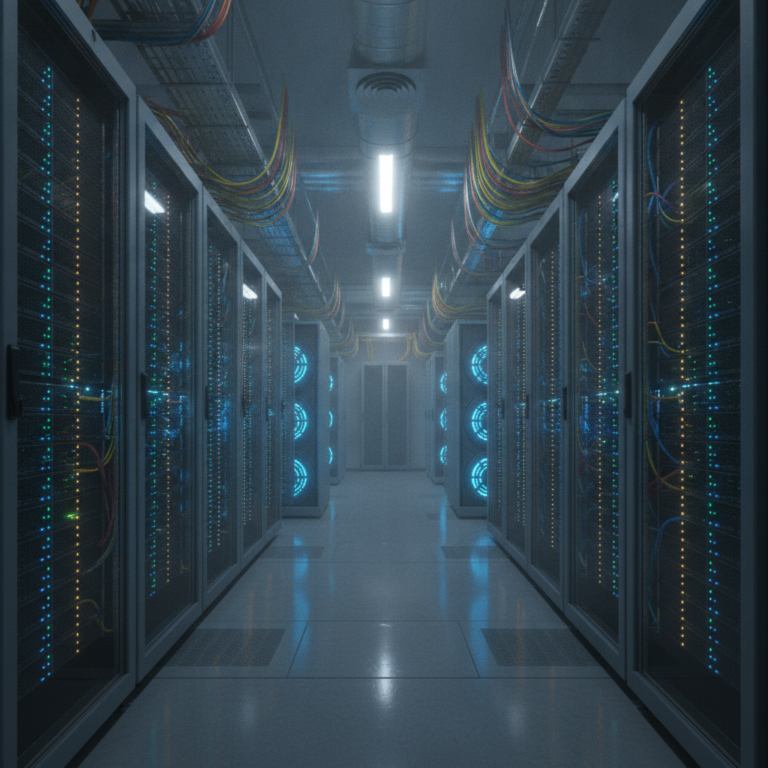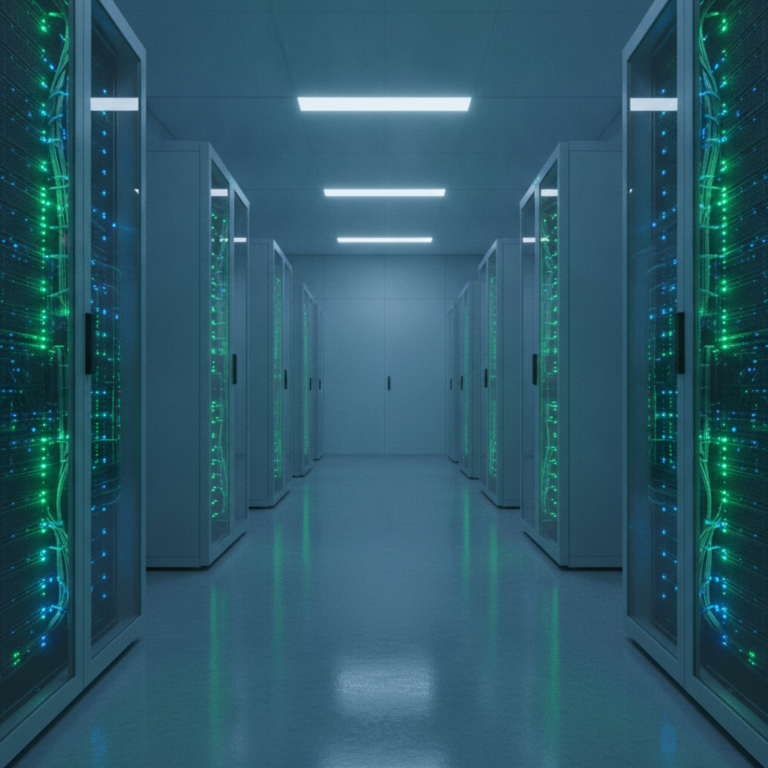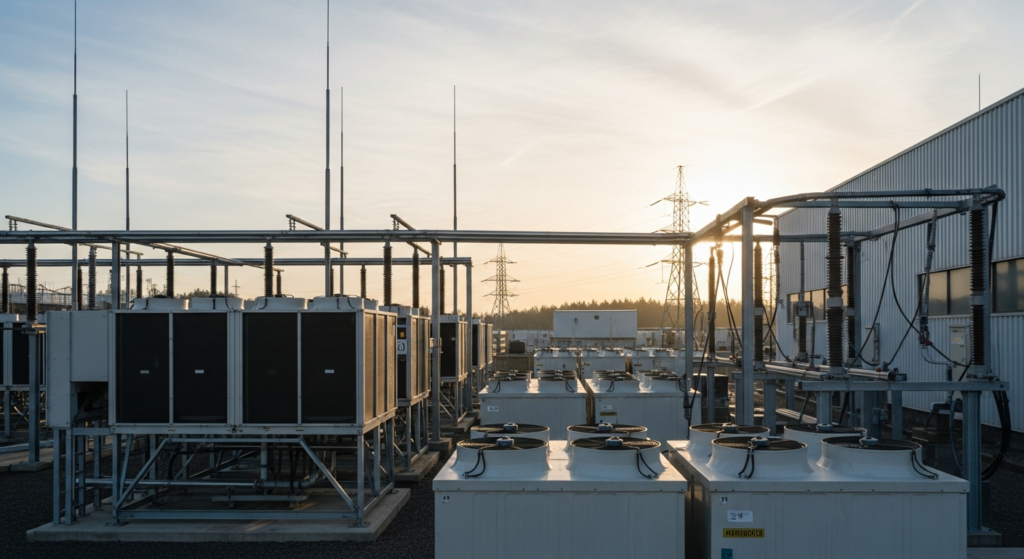
Meta, the technology conglomerate, is set to begin manufacturing its own artificial intelligence chip in September, a strategic move that underscores the accelerating global buildout of AI infrastructure. This initiative is part of the company’s broader in-house training and inference accelerator program, designed to enhance its AI capabilities and reduce reliance on external hardware suppliers.
The new chip is intended to augment existing Graphics Processing Units (GPUs), rather than entirely replace them. GPUs have become the workhorse of modern AI, crucial for processing the vast datasets required for machine learning and complex AI model training. By developing its own specialized silicon, Meta aims to optimize performance and efficiency for its particular AI workloads, a strategy increasingly adopted by major tech firms seeking greater control over their computing stack and to manage escalating operational costs.
Meta’s ambition extends beyond just chip production. The company has articulated a goal to expand its overall computing capacity significantly, targeting an immense 14 gigawatts by 2027. This figure represents a substantial increase in power consumption and processing capability, signaling a massive investment in data centers and supporting infrastructure globally. Such a scale of expansion highlights the intense competition among technology leaders to build the foundational computing power necessary for the next generation of AI applications and services.
The push by Meta into custom chip manufacturing is not an isolated event but rather a prominent indicator of a wider trend reshaping the technology landscape. Companies across various sectors are pouring capital into developing and deploying advanced AI systems, driving unprecedented demand for specialized hardware, sophisticated software, and robust data center facilities. This buildout encompasses everything from the raw materials used in chip fabrication to the complex cooling systems and vast electrical grids needed to power these digital behemoths.
For technology employers, this translates into a heightened demand for skilled professionals. Engineers specializing in chip design, AI algorithms, data center operations, and power management are becoming increasingly critical. The competition for talent in these fields is intensifying, prompting educational institutions and companies alike to invest in training and development programs to meet future needs.
The ripple effects extend to the global supply chain. Manufacturers of semiconductor components, advanced manufacturing equipment, and specialized materials will likely see sustained demand. Even as companies like Meta bring some chip design in-house, they remain deeply integrated into a complex ecosystem of suppliers for fabrication, assembly, and testing. This creates opportunities and challenges for a wide array of businesses involved in the tech manufacturing pipeline.
Utilities face perhaps one of the most direct impacts of this AI infrastructure boom. The 14-gigawatt target alone represents a significant load on electrical grids, comparable to the power consumption of several small cities. This necessitates substantial investments in power generation, transmission, and distribution infrastructure. Utility providers must plan for increased capacity, grid stability, and the integration of diverse energy sources to meet the insatiable power demands of hyperscale data centers.
Furthermore, the need for physical data center sites is escalating. These facilities require vast tracts of land, reliable access to power, and often, proximity to fiber optic networks. The construction and ongoing operation of these centers represent a significant economic activity, creating jobs in construction, maintenance, and specialized IT services. Regions with available land, favorable energy costs, and robust infrastructure are becoming attractive locations for these developments.
### Why it matters in Greenwood
The ambitious AI infrastructure expansion, exemplified by Meta’s in-house chip production and computing capacity targets, has broad implications that can indirectly affect the Greenwood area. Major employers like Eaton Corporation, a global leader in power management, are directly involved in providing the electrical infrastructure and solutions critical for powering data centers and advanced computing facilities. As the demand for AI-driven power solutions escalates, companies like Eaton, which has a significant presence in Greenwood, could see increased business activity and a need for specialized talent. Additionally, educational institutions such as Lander University and Piedmont Technical College play a vital role in preparing a future workforce with skills relevant to the evolving technology sector, from electrical engineering to data analytics, ensuring that local talent can contribute to and benefit from these broader technological shifts. The regional utility providers serving Greenwood will also be part of the larger grid planning and investment discussions necessary to support the growing energy demands of the AI industry, potentially influencing local infrastructure projects and energy costs.