A global surge in demand for memory and storage components, largely fueled by the rapid expansion of artificial intelligence infrastructure, is beginning to exert upward pressure on the prices of consumer electronics, including personal computers, smartphones, and gaming consoles. This trend, observed across the technology and business sectors, indicates a shift in manufacturing priorities that could affect purchasing decisions for households and businesses in Greenwood.
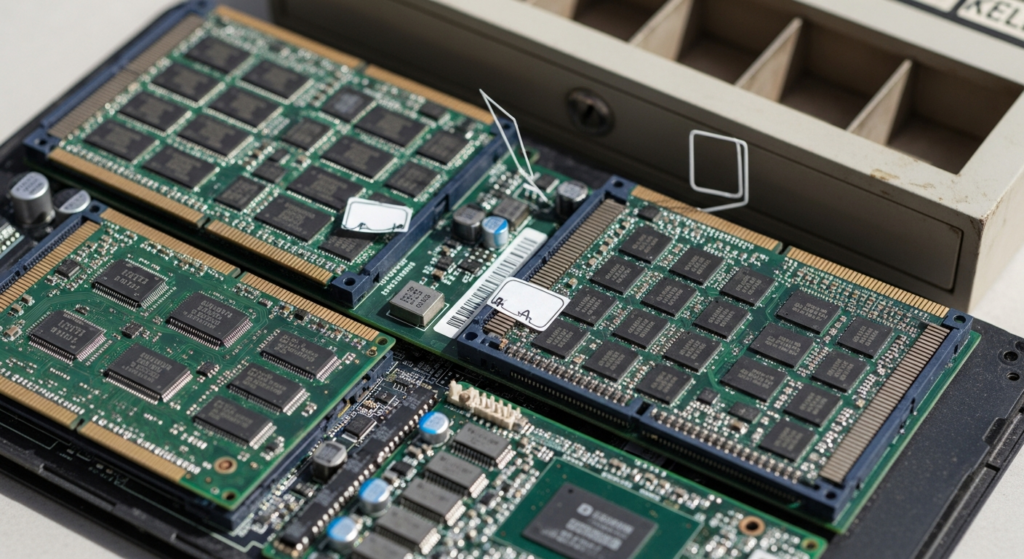
At the core of this market dynamic is the specialized memory required for advanced AI systems. Artificial intelligence models, particularly those involved in complex data processing and machine learning, necessitate high-bandwidth memory (HBM) and other high-performance storage solutions. These components are distinct from the standard dynamic random-access memory (DRAM) and NAND flash storage typically found in everyday consumer devices.
Manufacturers of memory chips are increasingly allocating their production capacity and resources to meet the robust demand for these high-margin, specialized AI-centric components. This strategic shift, while profitable for chipmakers, inevitably reduces the overall supply of conventional memory chips available for the broader consumer electronics market. The consequence is a tightening of supply for components essential to devices like laptops, desktop computers, tablets, and video game consoles.
As the supply of these standard memory and storage components becomes constrained, their wholesale cost to device manufacturers naturally rises. These increased component costs are then typically passed on to consumers, resulting in higher retail prices for the finished products. This economic ripple effect means that the cost of upgrading a family computer, replacing a smartphone, or purchasing a new gaming system could see an increase in the coming months.
The impact is not limited to new purchases. The overall market for memory and storage influences repair costs and the availability of components for older devices, although the primary effect is on the pricing of new units. For residents of Greenwood, this translates into a potential need to budget more for technology acquisitions, whether for personal use, educational purposes, or small business operations.
### Why it matters in Greenwood
The rising cost of consumer electronics, driven by global AI memory demand, holds direct implications for the community in Greenwood. Students attending Lander University or Piedmont Technical College, for instance, often rely on personal laptops and tablets for their studies, and any price increase could add to the financial burden of higher education. Similarly, families across Greenwood County School Districts (50, 51, 52) planning to purchase new devices for remote learning or personal use may find their budgets stretched further. Local small businesses, which depend on up-to-date computing equipment for daily operations, could also face higher capital expenditures when upgrading their technology infrastructure. This global market shift underscores how interconnected the local economy in Greenwood is with broader technological and supply chain trends.