An early and intense West Nile virus season has prompted renewed public health advisories concerning mosquito-bite prevention. Health officials are urging residents to take proactive steps to reduce exposure as the season began earlier than usual, with heightened activity observed.
West Nile virus is primarily transmitted to humans through the bite of infected mosquitoes. While most people infected with the virus experience no symptoms, or only mild ones such as fever, headache, body aches, and fatigue, a small percentage can develop severe neurological illnesses like encephalitis or meningitis. These severe cases can be debilitating and, in rare instances, fatal.
The current advisories underscore the importance of personal protection against mosquito bites. Key recommendations include using EPA-registered insect repellents when outdoors, especially during dawn and dusk when mosquitoes are most active. Repellents containing DEET, picaridin, IR3535, oil of lemon eucalyptus, or para-menthane-diol are generally effective.
Beyond personal repellents, reducing mosquito breeding grounds is a critical preventative measure. Mosquitoes lay their eggs in standing water, and eliminating these sources around homes and properties can significantly cut down on local mosquito populations. This includes emptying water from tires, buckets, planters, toys, pools, birdbaths, flowerpot saucers, and trash cans. Regularly cleaning and chlorinating swimming pools and ensuring screens on windows and doors are intact can also help.
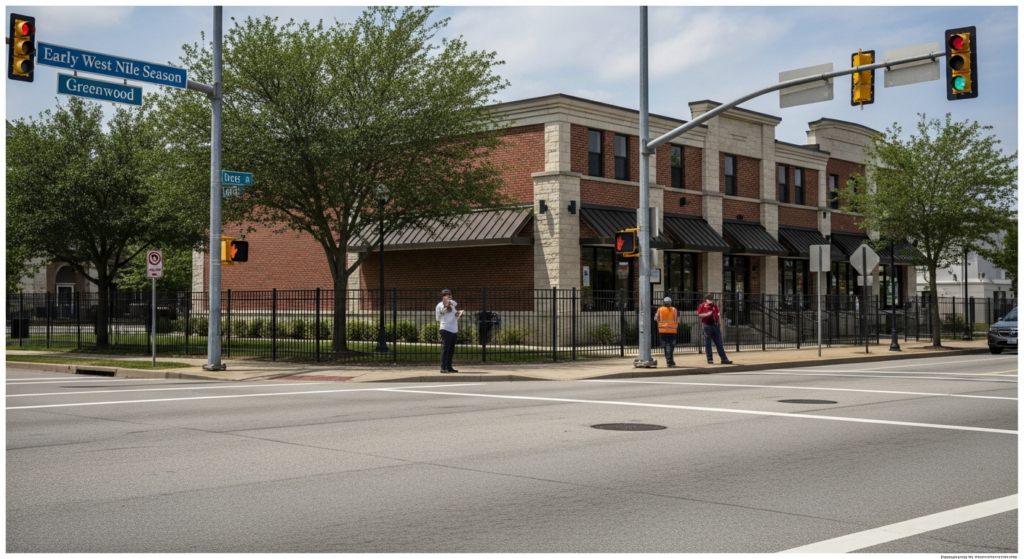
For Greenwood, the early onset and intensity of the West Nile season carry particular relevance. The city’s proximity to bodies of water such as Lake Greenwood, the Saluda River, and Long Cane Creek, along with numerous parks like Grace Street Park and the Greenwood County Recreation Complex, provides ample potential breeding grounds for mosquitoes. Outdoor activities, a hallmark of summer in Greenwood, may present increased opportunities for exposure.
Institutions like Self Regional Healthcare would typically be at the forefront of monitoring public health trends and treating any severe cases of West Nile virus that might arise. Similarly, Greenwood County School Districts, as well as Lander University and Piedmont Technical College, often consider public health advisories when planning outdoor events or maintaining campus grounds, particularly during the warmer months.
The emphasis on prevention comes as public health agencies across the region track the early emergence of the virus. The consistent message from health authorities is that simple, consistent actions can significantly lower the risk of infection. Vigilance in applying repellents and eliminating standing water remains the most effective defense against West Nile virus during the summer months.
### Why it matters in Greenwood
The early and intense West Nile season directly impacts public health and daily life in Greenwood. The presence of numerous natural and recreational water bodies, including Lake Greenwood and the Saluda River, means that mosquito populations can flourish, increasing the potential for virus transmission. Self Regional Healthcare, as the primary medical institution serving the area, would be responsible for diagnosing and treating any severe cases, placing a direct burden on local healthcare resources. Furthermore, the prevalence of outdoor activities during the summer, from recreation at the Greenwood County Recreation Complex to community gatherings, means that a heightened risk of mosquito bites could affect residents’ ability to safely enjoy their environment. Proactive prevention measures are crucial to mitigate the health risks and ensure the well-being of the community.