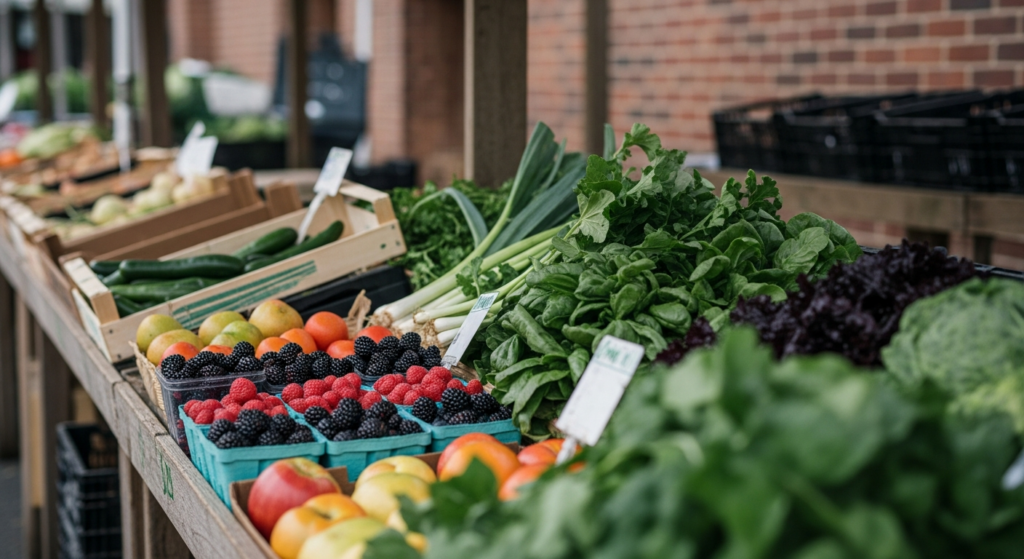
A multi-state cluster of Cyclospora infections has prompted health officials to reiterate the importance of safe handling and preparation of raw produce. The parasitic illness, often linked to contaminated fruits and vegetables, has been difficult for investigators to trace to a single source across the various reported cases.
Cyclospora cayetanensis is a microscopic parasite that can cause cyclosporiasis, an intestinal illness. Symptoms typically include watery diarrhea, loss of appetite, weight loss, stomach cramps, bloating, nausea, and fatigue. These symptoms can be severe and may recur over weeks or even months if not treated. The parasite is spread when people ingest food or water contaminated with the Cyclospora oocysts, which are microscopic eggs that become infectious after several days to weeks in the environment.
Unlike some other foodborne pathogens, Cyclospora is not easily killed by routine washing methods. Thorough washing of produce under running water is always recommended, but it may not eliminate all parasites. The challenge in tracing outbreaks often lies in the complex supply chains of fresh produce, which can involve multiple farms, distributors, and retailers across different states and even countries. This complexity makes identifying the exact point of contamination a significant hurdle for public health agencies.
Public health advisories emphasize several key practices to minimize the risk of foodborne illness, especially during the summer months when fresh produce is a staple of many diets. These include washing hands with soap and water before and after handling fresh fruits and vegetables, washing all produce thoroughly under running tap water before eating, cutting, or cooking, even if it will be peeled. Firm produce, such as melons and cucumbers, should be scrubbed with a clean produce brush. Leafy greens should have outer leaves removed and then be rinsed. Separate cutting boards and utensils should be used for produce and raw meat, poultry, or seafood to prevent cross-contamination.
While no specific local cases have been reported in Greenwood related to the current cluster, the general principles of food safety remain critical for all residents. The prevalence of fresh produce in local markets and grocery stores in Greenwood means that vigilance in preparation is a year-round concern, amplified during peak growing seasons.
### Why it matters in Greenwood
The ongoing focus on raw produce safety and Cyclospora outbreaks underscores a broader public health concern that resonates in Greenwood. Institutions like Self Regional Healthcare play a vital role in community health, not only by treating illnesses but also by promoting preventative care and public awareness. While specific local outbreaks have not been identified, the general advice on food safety is crucial for protecting the health of Greenwood residents. Adhering to best practices for washing and preparing fruits and vegetables helps mitigate risks for individuals and contributes to the overall well-being of the community, reducing the potential strain on local healthcare resources from preventable illnesses. Maintaining high standards of food hygiene is a collective effort that safeguards public health across the city.