
How to Choose the Right Roof Type for Your Home’s Unique Energy Needs
Choosing a roof type is a critical decision that involves various factors, particularly when it comes to energy efficiency. Different roofing materials offer distinct advantages and disadvantages in terms of insulation, durability, and thermal environment. Understanding these elements will help homeowners make informed decisions that align with their unique energy needs.
Understanding Energy Needs
Energy needs can vary significantly based on geographic location, climate, and the home’s architectural style. Homeowners should assess the following components:
- Climate Zone: Know your local climate. Are the summers scorching or are winters frigid?
- Energy Costs: Analyze current energy expenses. How much do you spend on heating and cooling?
- Home Orientation: Understand how sunlight hits your home. Does it face south or north?
All these factors influence energy requirements, serving as a guide to selecting the appropriate roof type.
Factors to Consider
1. Insulation Properties
The insulation of roofing materials plays a vital role in energy efficiency. A good roof should assist in maintaining a stable indoor temperature. Some roofing materials extend energy savings through enhanced insulation properties:
- Metal Roofing: Often paired with insulation to enhance energy efficiency. Reflects heat, keeping homes cooler in the summer.
- Asphalt Shingles: Basic insulation, additional layers can improve energy retention.
- TPO and PVC Membranes: Excellent thermal properties, often used in commercial settings.
2. Solar Reflectivity
Solar reflectivity relates to how much solar energy the roof reflects rather than absorbs. Higher solar reflectivity can substantially reduce energy costs:
- Light-Colored and Reflective Materials: Such as white or light-colored shingles or coatings can lower cooling costs by reflecting sunlight.
- Green Roofs: Vegetation can provide excellent insulation while also offering cooling benefits through evapotranspiration.
3. Long-term Durability
Durability affects not only maintenance costs but also energy efficiency over a roof’s lifespan:
- Slate and Tile: Extremely long-lasting, but initial costs are high. Excellent insulation and energy efficiency.
- Metal Roofing: Highly durable with a lifespan of 40-70 years, ideal for various climates.
4. Local Building Codes and Regulations
Consult local building codes when choosing a roof type. Some areas have regulations that may limit roofing materials due to factors like:
- Weight Restrictions: Heavier materials may not be allowed in certain structural situations.
- Fire Ratings: Materials may need to meet specific fire-resistance ratings, especially in wildfire-prone areas.
Common Roof Types and Their Energy Characteristics
1. Asphalt Shingles
Asphalt shingles are the most common roofing type in North America. They provide a relatively economical option but come with some limitations:
- Cost: Lower upfront costs but can have higher lifecycle costs due to average durability.
- Energy Efficiency: Generally decent but can be improved with reflective coatings.
2. Metal Roofing
Metal roofs are gaining popularity for their energy efficiency and durability. Key benefits include:
- Longevity: Lasts 40-70 years with minimal maintenance.
- Reflectivity: Naturally reflects heat, reducing cooling costs significantly.
3. Clay and Concrete Tiles
These roofing types are durable and sustainable, often used in warmer climates:
- Energy Efficiency: Excellent insulation properties, keeping homes cool.
- Longevity: Can last over 50 years with proper care.
4. Slate Roofs
Slate roofs are among the most durable materials available but come at a higher initial price:
- Exceptional Longevity: Can last more than 100 years.
- Energy Benefits: Provides excellent insulation and aesthetic appeal.
5. Green Roofs
A green roof consists of vegetation planted over a waterproofing membrane. These roofs are especially beneficial in urban environments:
- Energy Savings: Reduces heat gain through plant insulation.
- Environmental Impact: Promotes biodiversity and lowers urban heat island effect.
Making the Right Choice
Selecting the appropriate roof type requires careful evaluation. Start with key considerations before making a decision:
- Conduct an Energy Audit: Understand how your home uses energy.
- Consult Professionals: Consult architects and roofing specialists to assess your home’s needs.
- Factor in Lifespan and Cost: Look beyond upfront costs; consider long-term energy savings.
Consider Future Energy Needs
As energy costs rise and regulations change, it’s vital to choose a roof that meets your future energy needs. Opt for materials known for:
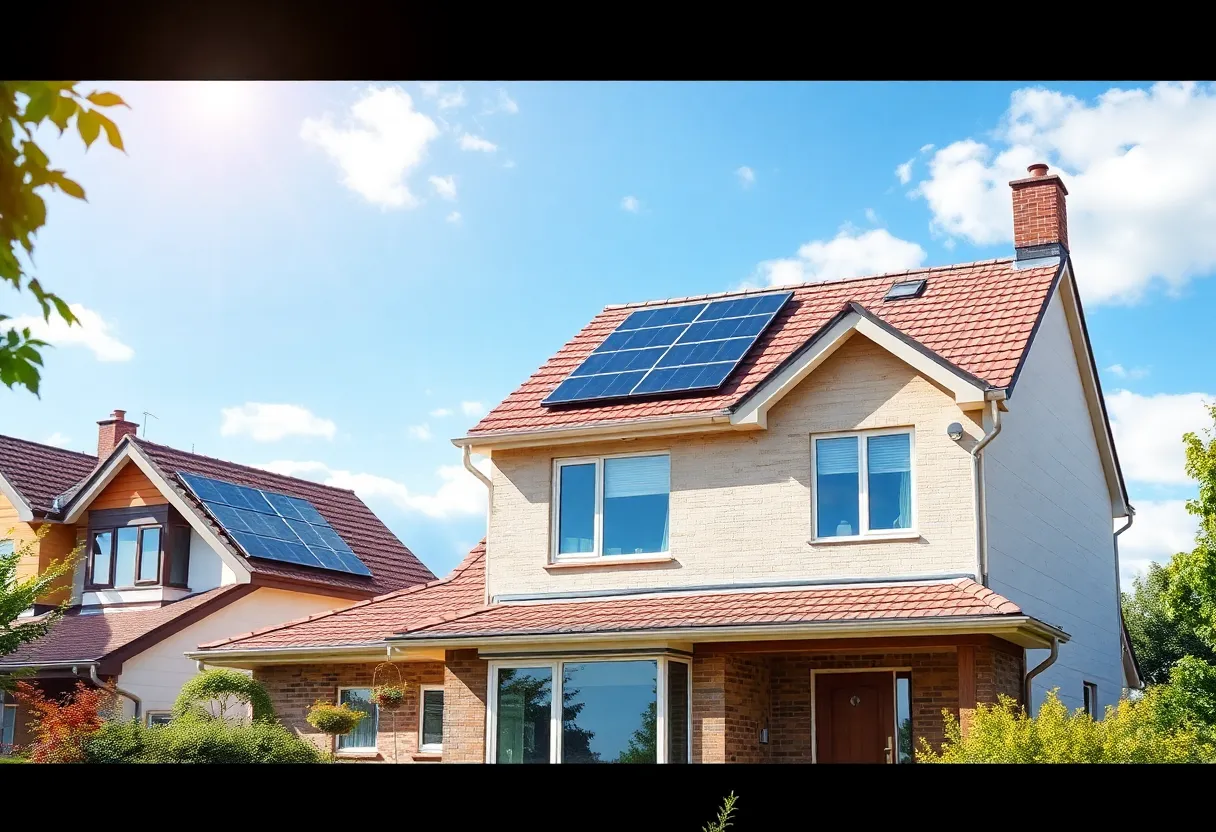
- Scalability: Some roofing materials can accommodate solar panels easily.
- Energy Generation: Consider roofing types that can integrate renewable technology.
Conclusion
Choosing the right roof for your home is more than just aesthetics. It involves evaluating energy efficiency, cost, durability, and climate considerations. By understanding your unique energy needs and the characteristics of various roofing types, you can make an informed decision that enhances your home’s value and energy efficiency. Investing time in this critical choice will serve both your wallet and the environment well.

 Mays Contracting