
How to Safely Inspect Your Roof for Hidden Damage: A DIY Guide for Homeowners
A roof is a fundamental component of any home, providing essential protection against the elements. Inspecting your roof regularly for hidden damage can save you from costly repairs down the line. This DIY guide outlines how to safely conduct a roof inspection, helping you identify potential issues before they escalate.
When to Inspect Your Roof
Timing is critical in roof inspections. Consider inspecting your roof:
- After significant weather events: Severe storms, heavy snow, or high winds can cause unforeseen damage.
- Seasonally: Regular inspections in spring and fall can help keep tabs on roof health.
- Before selling your home: A pre-listing inspection can highlight roof issues that can affect property value.
Preparation for Inspection
Before climbing onto your roof, take necessary precautions. Here’s how to prepare:
Gather Essential Tools
Having the right tools on hand is crucial:
- Safety gear: Hard hats, non-slip shoes, and gloves are vital for your safety.
- Ladder: Use a sturdy extension ladder to access the roof safely.
- Binoculars: If you cannot reach certain areas, binoculars can help spot damage from the ground.
- Tool kit: Include a hammer, roofing nails, a pry bar, and a measuring tape.
Check the Weather
A clear day is ideal for inspection efforts. Avoid windy or rainy days where potential hazards increase.
Conducting the Roof Inspection
Follow these steps for a thorough roof inspection:
Visual Inspection from the Ground
Begin your inspection from a safe distance:
- Look for missing shingles: A simple visual check can reveal shingles that are curled, cracked, or completely absent.
- Check for sagging: Look for any dip or sag in the roofline which may indicate structural issues.
- Examine flashing: Ensure flashing around chimneys and vents is intact; damaged flashing can lead to leaks.
Using Your Ladder
Once you have assessed the roof from the ground, set up your ladder:
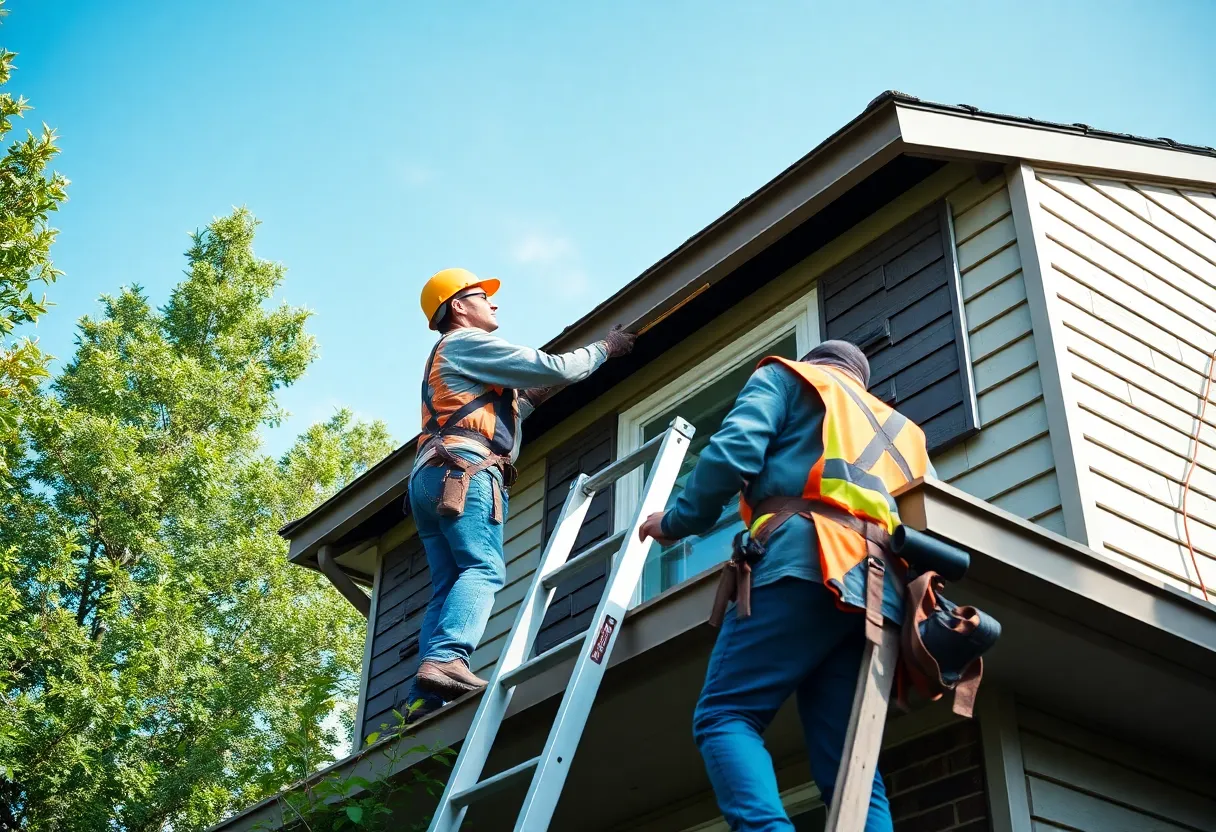
- Inspect from the ladder: Climb the ladder to get a closer look at the roof. Maintain three points of contact for safety.
- Check for debris: Look for leaves, branches, or other debris that can trap moisture and promote rot.
Climbing onto the Roof
When it’s safe to proceed, follow these steps:
- Walk carefully: Keep your balance and distribute weight evenly. Avoid stepping on fragile areas.
- Inspect shingles: Check for granules in gutters or downspouts, which can indicate shingle deterioration.
- Look for algae or moss growth: These can trap moisture and lead to roof decay.
Areas of Concern
During your inspection, focus on these critical areas:
Flashing and Seals
Inspect all metal flashing for:
- Rust or corrosion: Damaged flashing can lead to leaks.
- Sealant cracks: Reseal any compromised areas to prevent moisture penetration.
Attic Space
After inspecting the exterior, head to your attic:
- Check for water stains: Brown or yellow stains indicate leaks.
- Look for daylight: If you see light shining through the rafters, there may be holes in the roof.
Common Roof Problems
While inspecting, be on the lookout for these common issues:
Missing or Damaged Shingles
Shingle damage can be indicative of future leaks or structural issues. Replace any missing or cracked shingles promptly.
Roof Punctures
Assessment for punctures is critical, especially after storms. Minor punctures can lead to major water damage.
Moisture Accumulation
Pools of water on the roof can lead to rot and deterioration. Ensure proper drainage systems are in place.
Safety Tips for DIY Roof Inspection
Keeping safety in mind during inspections is crucial:
- Work with a partner: Having someone nearby can offer immediate assistance in case of emergencies.
- Avoid overreaching: Always move your feet rather than extending your body beyond what feels safe.
- Don’t inspect alone: Inform someone else of your inspection plans and duration.
Dealing with Issues Found
If you uncover damage during your inspection, take appropriate action:
Minor Repairs
For small issues, you may manage simple repairs yourself. Replace missing shingles or reseal minor gaps easily.
Consulting a Professional
For significant damage or structural concerns, it is wise to hire a professional. They can conduct a comprehensive analysis and recommend solutions.
Preventive Measures
After your inspection, consider these preventive measures:
- Regular cleanups: Keep debris off your roof to reduce moisture retention.
- Gutter maintenance: Cleaning gutters regularly prevents water overflow which can lead to roof damage.
- Annual inspections: Schedule annual roof assessments to catch problems early.
Conclusion
Regular roof inspections are essential for maintaining the integrity of your home. By following this DIY guide, you’ll be equipped to safely detect hidden damage on your roof. Early detection of issues can save you time and money, ensuring that your roof remains a protective shield over your home.

 Mays Contracting