
How to Choose the Right Roofing System for Resilience Against Severe Weather
Choosing a roofing system that can withstand severe weather conditions is essential for the longevity and safety of any building. This choice can significantly impact not only the structural integrity of your property but also the comfort and security of its residents. Below, we discuss the key considerations to keep in mind when selecting a resilient roofing system.
Understanding Your Local Climate
Before selecting a roofing material, analyze the specific weather patterns in your location. Different regions experience varying types of severe weather, such as:
- Torrential Rain: Frequent rainfall requires roofing materials that are waterproof and resistant to mold.
- High Winds: Areas prone to hurricanes or tornadoes will benefit from roofs that can handle extreme wind forces.
- Snow and Ice: In cold climates, roofs must support heavy snow loads and prevent ice dam formation.
- Extreme Heat: In warmer regions, energy efficiency and heat reflection become critical.
Assess the most prevalent weather conditions in your region to guide your choice of roofing materials and systems.
Exploring Different Roofing Materials
Various roofing materials offer different advantages and disadvantages regarding severe weather resilience. Here’s a breakdown of popular options:
Asphalt Shingles
Asphalt shingles are a commonly used roofing material due to their affordability and ease of installation. They come in a variety of colors and styles. However, their performance in severe weather can vary:
- Advantages: Cost-effective, easy to repair.
- Disadvantages: Prone to wind damage and may require replacement after 15-30 years, depending on local climate.
Metal Roofing
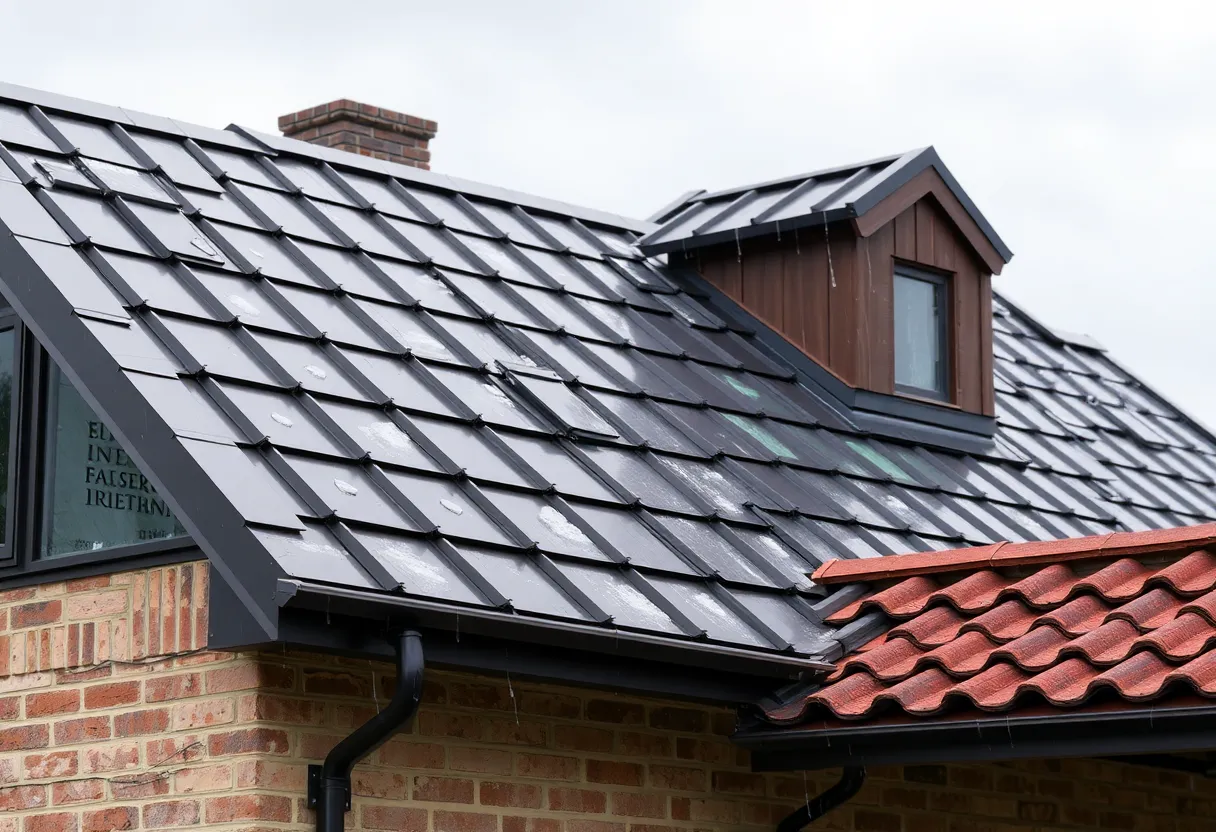
Metal roofing systems are growing in popularity for their durability and longevity. They can effectively withstand severe weather conditions:
- Advantages: Highly resistant to wind, fire, and snow accumulation. Lasts 40+ years.
- Disadvantages: Higher initial cost than asphalt shingles, may require additional insulation due to thermal conductivity.
Clay and Concrete Tiles
Clay and concrete tiles offer a robust option for roofing systems. They provide excellent durability in harsh climates:
- Advantages: Excellent insulation, fire-resistant, long-lasting.
- Disadvantages: Heavy and may require additional roof support. Higher initial cost and installation complexity.
Slate Roofing
Slate is known for its elegance and longevity. It’s one of the most durable roofing options available:
- Advantages: Lasts over 100 years, resistant to severe weather and pests.
- Disadvantages: Very heavy, requires a specialized installation, inordinately costly.
Assessing Roofing System Structure
Beyond material selection, the overall design and structure of your roofing system play a crucial role in its durability:
Pitch of the Roof
A steeper roof pitch allows for better water runoff, minimizing the potential for leaks and water damage. Roof pitches typically range as follows:
- Low Slopes: Under 4:12 pitch; more prone to pooling water.
- Steep Slopes: 4:12 pitch or higher; encourages water drainage and reduces debris accumulation.
Roof Ventilation
Proper ventilation is vital in any roofing system. Adequate airflow minimizes moisture buildup and heat accumulation:
- Benefits: Prevents ice dam formation, prolongs roof life, maintains indoor comfort.
- Installation Options: Ridge vents, soffit vents, or gable vents.
Flashings and Sealants
Effective flashing and sealant installation is crucial for a water-tight roof. Pay attention to:
- Material Choices: Use durable materials like copper or stainless steel for flashing.
- Installation Areas: Ensure proper installation around chimneys, vents, and roof edges.
Energy Efficiency Considerations
Energy-efficient roofing systems can help lower energy costs while providing resilience against extreme temperatures:
Reflective Roofing Materials
In sunny climates, reflective roofing materials like lighter-colored metal or coated shingles can significantly reduce cooling costs:
- Benefits: Reflects sunlight, reduces heat absorption.
- Caveats: Ensure local building codes allow for reflective materials.
Insulation and Underlayment
Proper insulation and underlayment contribute to energy efficiency as well:
- Underlayment Types: Synthetic underlayments provide water resistance and durability.
- Insulation Options: Rigid foam boards or spray foam can improve thermal performance.
Local Building Codes and Regulations
Always check local building codes and regulations before making your final selection. Factors to consider include:
- Material Restrictions: Certain materials may not meet local standards.
- Wind Load Requirements: Ensure the roofing system complies with specified wind resistance.
- Energy Efficiency Standards: Sustainable materials may qualify for incentives or rebates.
Impacts of Severe Weather on Roofing
Understanding how different weather events affect roofing systems will ensure you choose a resilient option well-equipped to handle specific challenges:
Hail Damage
Hail can severely impact roofing materials. It’s essential to select systems specifically designed to withstand hail strikes:
- Impact-Resistant Materials: Certain roof types are rated for hail impact resistance.
- Physical Appearance: Inspect for dents and punctures after hail events.
Wind Lift
High winds can create aerodynamic forces that ‘lift’ roofing materials, especially in poorly attached systems. To mitigate this risk:
- Installation Methods: Ensure proper fastening methods and materials meet local codes.
- System Design: Opt for materials with high wind ratings.
Flooding and Water Damage
Heavy rains can lead to water pooling and subsequent damage. To combat this efficiently:
- Drainage Systems: Install gutters, downspouts, and drainage tiles to handle excess water.
- Material Selection: Choose materials that are inherently water-resistant.
Maintenance and Longevity
Once a resilient roofing system is installed, maintenance is critical to prolong its life.
Regular Inspections
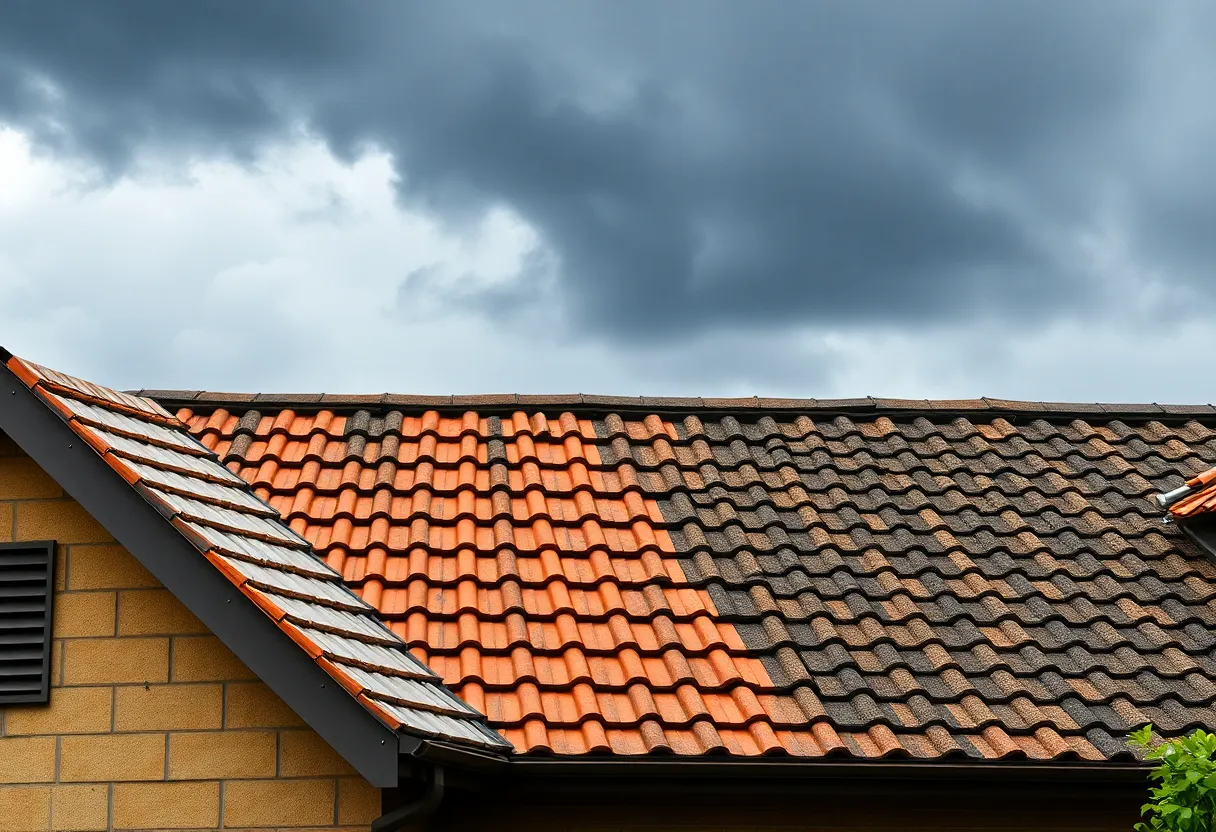
Conduct regular inspections to identify issues before they become severe. Schedule inspections twice a year and after significant weather events:
- Check for Damage: Inspect for missing shingles, damaged flashing, or debris accumulation.
- Cleansing: Regularly clear obstructions in gutters and on roofs.
Timely Repairs
Address minor damage immediately to prevent costly repairs in the future. Discuss the importance of:
- Repair Visibility: Engage professional services for visible damage during inspections.
- Keep Records: Maintain a log of repairs and inspections to track the roof’s condition.
Conclusion
Selecting the right roofing system for resilience against severe weather involves understanding your local climate, evaluating different materials and their structural features, and adhering to local codes. The journey involves meticulous planning, ongoing maintenance, and informed choices. By following these guidelines, you will ensure your roofing system is not only durable but also provides lasting protection against the elements.

 Mays Contracting