


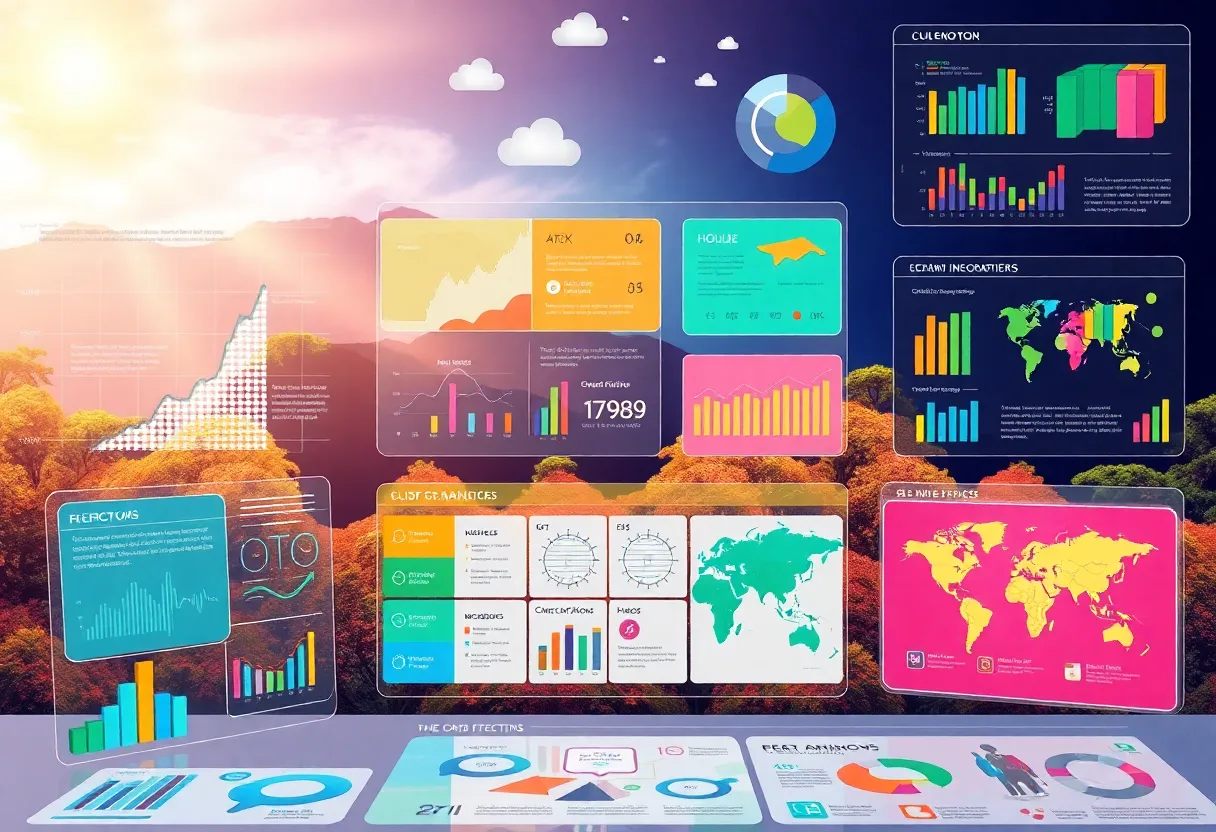
How Can You Use Interactive Infographics to Enhance Your Digital Marketing Strategy?
In today’s fast-paced digital landscape, capturing and maintaining audience attention is more challenging than ever. Enhancing your digital marketing strategy involves leveraging innovative tools to convey information engagingly and interactively. One such powerful tool is the interactive infographic.
Understanding Interactive Infographics
Interactive infographics are visual representations of information, data, or knowledge that allow users to engage with the content in a more immersive way. Unlike static infographics, interactive versions invite users to click, scroll, or hover over elements to discover more details, animations, and insights. The interactivity not only enhances user engagement but also serves to clarify complex information.
Why Use Interactive Infographics?
There are several compelling reasons to incorporate interactive infographics into your digital marketing strategy:
- Enhanced Engagement: Interactive content significantly increases user engagement compared to traditional formats. Users are encouraged to participate, which keeps them on your site longer.
- Better Information Retention: People are more likely to remember information presented in an engaging, interactive format. This can directly influence brand recall.
- Improved Shareability: Infographics are inherently shareable graphics. When they include interactive elements, the likelihood of sharing increases due to their novel and appealing nature.
- Effective Data Visualization: Complex data can be simplified and visually represented, making it easier for audiences to grasp important insights.
How to Create Interactive Infographics
Define Your Objectives
Before creating an interactive infographic, clearly define your goals. Do you want to educate your audience? Generate leads? Boost brand awareness? Knowing your objectives will shape the content and design.
Identify Target Audience
Understanding your audience’s preferences is vital. Research their interests, challenges, and the type of information they seek. Tailoring your interactive infographic to your target demographic increases the likelihood of successful engagement.
Choose the Right Tools
Various tools exist for creating interactive infographics, such as Piktochart, Canva, and Infogram. Choose one that fits your needs, whether it’s template-based or allows custom coding for greater flexibility. The right tool will help you realize your vision efficiently.
Design for Engagement
Use bold colors, striking typography, and intuitive navigation to draw users in. Interactive elements should be seamlessly integrated, such as buttons, clickable sections, and hover effects. Ensure that the design is not only aesthetically pleasing but also functional.
Incorporate Storytelling Elements
Storytelling is essential in capturing interest. Craft a narrative that guides users through your infographic. Start with a compelling introduction, present the data compellingly, and conclude with actionable insights or a call to action.
Optimize for Different Devices
Ensure your interactive infographic is mobile-friendly. Many users access content via smartphones and tablets, so testing responsiveness across different devices is crucial. A seamless experience encourages more users to engage with your content, regardless of their device.
Provide Pathways for Exploration
Encourage users to delve into various sections of the infographic at their own pace. Use dropdown menus, tabs, or expandable sections to allow users to decide what information they want to explore further, enhancing their experience.
Integrating Infographics into Your Digital Marketing Strategy
Distribution Channels
Once your interactive infographic is complete, distribute it through various channels. Promote it on your website, blog, social media pages, and email newsletters. Each platform has its nuances, so customize your approach accordingly to maximize reach.
SEO Considerations
SEO plays a crucial role in the visibility of your interactive infographics. Use relevant keywords in the infographic title, descriptions, and alt text. Shareable content can attract backlinks, further enhancing your site’s SEO performance.
Analyze Performance
After launching your infographic, track its performance using tools like Google Analytics. Assess metrics such as time on page, shares, and conversion rates. This data will help you understand what resonates with your audience, allowing for adjustments in future campaigns.
Integrating with Content Strategy
Link your interactive infographic to broader content strategies. It can complement blog posts, social media campaigns, or even be part of a webinar. Maintaining coherence between various content types strengthens your overall narrative and reinforces brand identity.
Foster User Interaction
Encourage user interaction through feedback mechanisms, such as comments or ratings. Engaging your audience doesn’t stop at merely presenting content; fostering a community around your infographic can lead to discussions that strengthen brand loyalty.
Real-Life Examples of Interactive Infographics
Examining successful examples of interactive infographics offers valuable insights into effective design and implementation.
Example 1: Data Visualization for Insights
An interactive infographic visualizing annual sales data can allow users to filter results by category or region. This interactivity enables users to extract relevant insights easily, fostering a deeper understanding of the data.
Example 2: Educational Content
An infographic about health and wellness can combine statistics with tips and resources. By providing interactive elements like checklists or quizzes, users can engage actively, thus enhancing their learning experience.
Example 3: Gamification
Gamifying interactive infographics can also be highly effective. For instance, using turning factoids into trivia questions engages users, encouraging them to test their knowledge while also absorbing information.
Future Trends in Interactive Infographics
The use of interactive infographics will continue to evolve with technological advances, particularly in the following areas:
Augmented Reality (AR)
AR can transform the way users experience infographics. Imagine users pointing their smartphone at a printed version of your infographic and seeing additional information or animations appear on their screens. This adds a captivating layer of interactivity.
Personalization
As data collection becomes more sophisticated, personalized infographics will likely rise. Tailoring content based on user preferences enhances engagement and makes marketing efforts more effective.
Integration with Social Media
Social sharing capabilities are expected to evolve, with platforms offering built-in tools for interactive content. More engaging formats will enable brands to improve their reach and user acquisition through social media channels.
Conclusion
Incorporating interactive infographics into your digital marketing strategy can significantly enhance audience engagement and retention. By clearly defining objectives, designing for interaction, and integrating the content into overall marketing efforts, businesses can effectively utilize this powerful tool. As technology advances, staying informed about new trends in interactive content will ensure that your digital marketing efforts remain relevant and impactful. Utilizing these approaches can help ensure that your brand stands out in an increasingly crowded digital landscape.