
How to Choose the Best Roof Type for Your Unique Style and Functionality
Introduction
Selecting the right roof type is a pivotal decision in the construction or renovation of a home. A roof not only serves as a protective shield but also significantly influences the overall aesthetic and energy efficiency of a property. With various styles and materials available, understanding the factors affecting your choice can lead to a more informed decision that aligns with both your needs and preferences.
Key Factors in Roof Selection
1. Climate Considerations
The local climate plays a crucial role in determining the ideal roof type. Different materials respond differently to various weather conditions.
- Hot Climates: In areas with high temperatures, lightweight materials like metal or tile are preferred for their heat-reflective properties.
- Cold Climates: For regions with snow, roofs with a steep pitch are favorable to allow snow to slide off, reducing the risk of structural damage.
- Rainy Areas: Asphalt shingles or clay tiles are beneficial in regions prone to heavy rainfall, providing effective waterproofing.
2. Architectural Style
The architectural style of a home should guide your roof choice. The roof type can enhance or detract from the home’s overall design.
- Modern Styles: Flat roofs or minimalist designs complement contemporary architecture.
- Traditional Styles: Gabled roofs or hip roofs are best suited for classic home designs, adding a touch of charm and familiarity.
- Regional Styles: Certain geographical regions may favor specific styles, which often reflect historical and cultural influences.
3. Functionality and Longevity
Functionality requirements can differ based on lifestyle and maintenance preferences.
- Energy Efficiency: Some roof types are more energy-efficient than others. Metal roofs, for example, reflect heat, thereby lowering cooling costs.
- Durability: Materials like slate and metal offer extended lifespans, reducing the need for frequent replacements.
- Maintenance Needs: Consider the maintenance requirements associated with each roofing type. Some materials, such as wood shingles, demand more upkeep compared to asphalt shingles.
Popular Roof Types
1. Asphalt Shingles
Asphalt shingles are one of the most common roofing materials in the United States. They are affordable, easy to install, and available in a variety of colors.
- Pros: Cost-effective, versatile design, good waterproof qualities.
- Cons: Limited lifespan (around 20-30 years), can be prone to damage from high winds.
2. Metal Roofs
Metal roofs are gaining popularity due to their durability and energy efficiency. They can be made from aluminum, steel, or copper.
- Pros: Long lifespan (up to 50 years), excellent weather resistance, energy-efficient.
- Cons: Higher upfront cost, potential noise during rain or hail.
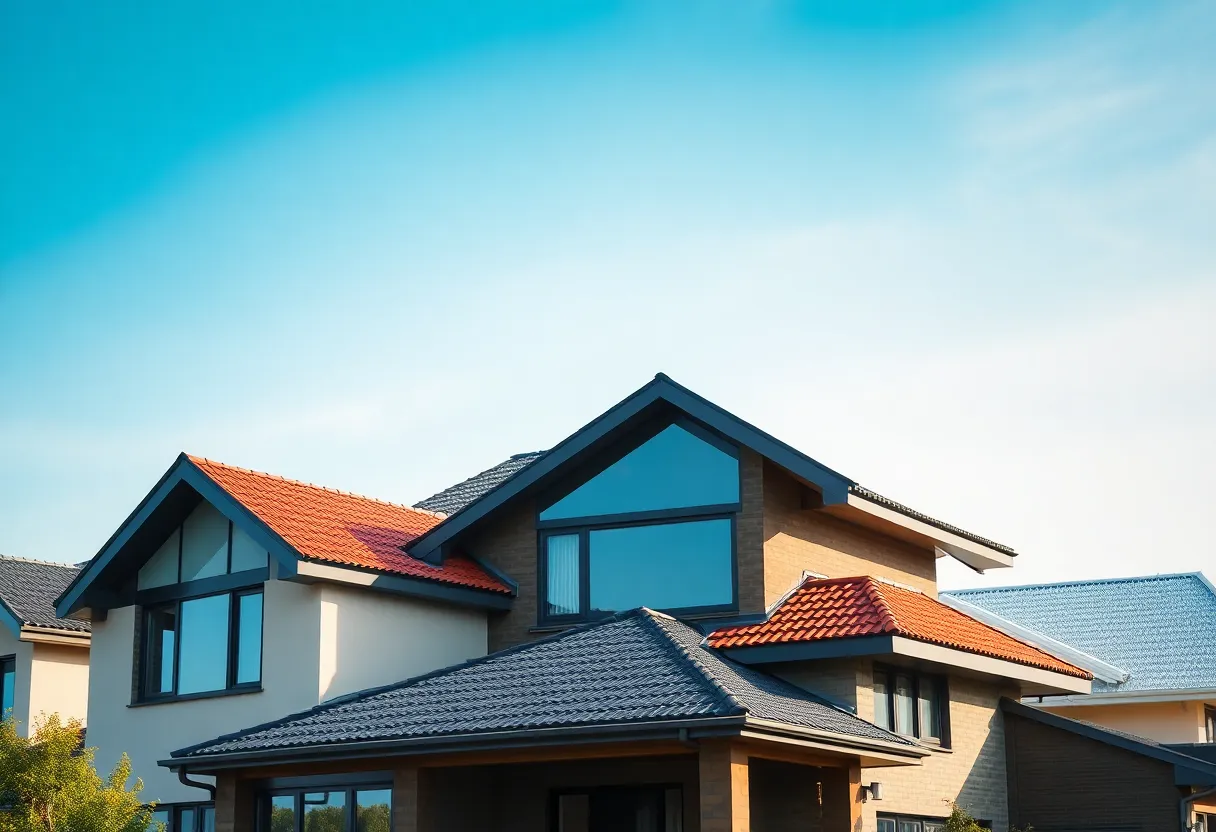
3. Clay and Concrete Tiles
Clay and concrete tiles offer a distinct aesthetic and are renowned for their longevity.
- Pros: Long lifespan (up to 100 years), fire-resistant, excellent insulation properties.
- Cons: Heavy material that may require additional structural support, higher installation costs.
4. Wood Shingles and Shakes
Wood roofing provides a natural and rustic look that blends well with various architectural styles.
- Pros: Attractive appearance, good insulation properties.
- Cons: Requires regular maintenance, less durable in humid or dry climates.
5. Slate Roofing
Slate is one of the oldest roofing materials and offers unmatched elegance and durability.
- Pros: Extremely durable, fire-resistant, aesthetically pleasing.
- Cons: Expensive installation, requires skilled labor, heavy weight necessitates additional support.
Budget Considerations
Determining your budget is a vital step in the decision-making process. Although it may be tempting to choose cheaper options, consider the long-term implications of your investment.
- Initial Cost: Assess the installation, material, and labor costs associated with different roofing types.
- Long-Term Savings: Weigh the potential savings on repairs, replacements, and energy costs over time.
Eco-Friendly Options
As sustainability becomes increasingly important, many homeowners seek green roofing alternatives. Options include:
- Recycled Materials: Some metal roofs are made from recycled metals, reducing landfill impact.
- Living Roofs: These roofs use plants to improve insulation, manage rainwater, and promote biodiversity.
- Cool Roofs: designed to reflect more sunlight and absorb less heat, minimizing energy costs.
Local Building Codes and Regulations
Before making a final choice, review local building codes and regulations. Homeowners may face restrictions on roof types, materials, or colors. Compliance is not only necessary for legal reasons but also ensures the safety and longevity of your roof.
Conclusion
Choosing the right roof type revolves around balancing style, functionality, and local climate. By carefully considering your specific requirements and preferences, you can select a roofing solution that enhances your home’s value, appearance, and efficiency.
Investing time in this choice will secure your property for years to come and contribute to a comfortable living environment. Always consult with roofing professionals for further assistance and to ensure a sound choice suited to your unique needs.

 Mays Contracting