Hunters preparing for the upcoming deer season in Greenwood and the broader Lakelands region are urged to undertake a thorough preseason readiness program, encompassing detailed equipment checks, strategic scouting, and safety protocols. A comprehensive guide outlines critical steps for ensuring both effectiveness and safety in the field, with recommendations spanning from weapon maintenance to the strategic placement of stands and trail cameras.
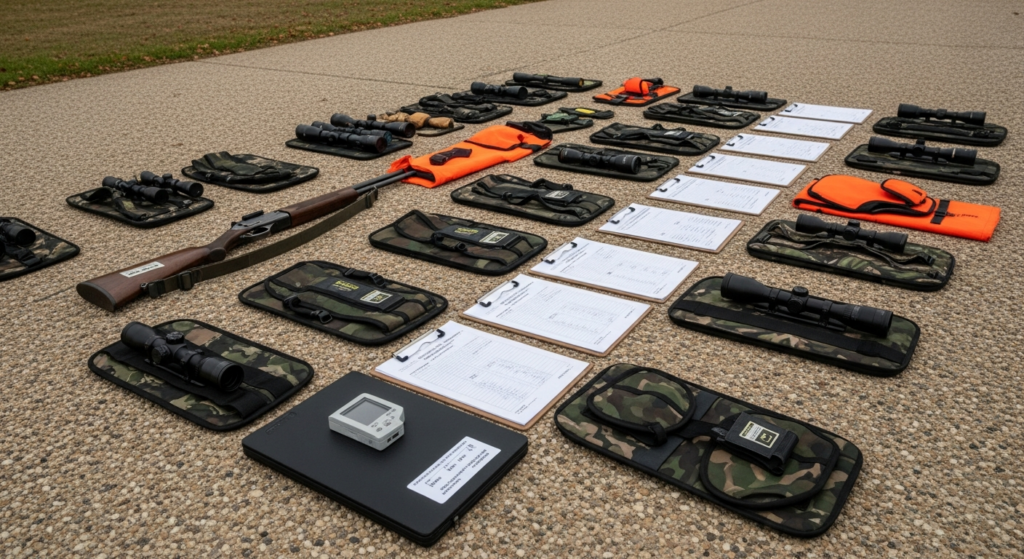
Meticulous inspection of hunting weapons forms a foundational element of preseason preparation. For bowhunters, this involves a detailed examination of the bow itself, focusing on limbs for any signs of wear, stress cracks, or separation that could compromise structural integrity and accuracy. Cams and strings require close scrutiny for fraying, nicks, or other damage that might affect performance or safety. Regular waxing of bowstrings is advised to prolong their lifespan and maintain optimal function, and any questionable components should be replaced promptly. Beyond equipment checks, consistent shooting practice is emphasized as crucial for building and maintaining accuracy and consistency, which are fundamental to ethical hunting.
Rifle hunters are advised to clean and oil their firearms thoroughly, ensuring all moving parts are free of debris and properly lubricated. Verifying that scopes are securely mounted and checking their zero at a shooting range are critical steps to confirm accuracy before the season begins. For those using broadheads, an arrow spinner should be employed to check for straightness and proper alignment, as even minor imperfections can significantly impact flight and penetration.
Clothing and footwear also warrant significant attention. The guide recommends washing all hunting apparel with scent-free detergent to minimize human odor, which can alert deer to a hunter’s presence. Hunters should inspect clothing for holes, worn seams, and fading, addressing any issues that could compromise warmth, camouflage, or durability. New footwear should be broken in well before the season to prevent discomfort and blisters in the field. Verifying the waterproofing of boots and outer layers is essential for staying dry in various weather conditions. Additionally, treating clothing with permethrin when needed is a recommended measure for protection against tick-borne illnesses, a common concern in wooded areas.
Safety and navigation equipment are paramount for any hunting excursion. Treestands, ladder stands, and climbing sticks must be thoroughly inspected for rust, loose fasteners, cracks, or frayed straps that could lead to catastrophic failure. A full-body harness, along with a lifeline, should be tested to ensure it functions correctly and fits properly, providing crucial fall protection. For navigation, GPS units and external battery packs should be fully charged and tested. Downloading necessary mapping applications and offline maps to mobile devices is also advised, particularly when hunting in remote areas like sections of the Sumter National Forest – Long Cane District, where cellular service may be unreliable.
Strategic stand placement is another key component of preseason planning. The guide suggests positioning stands near natural pinch points, funnels, creek crossings, or staging areas that are close to known food sources or bedding grounds. Hanging stands early in the season allows deer to acclimate to their presence, reducing the likelihood of them avoiding the area. When trimming shooting lanes, hunters are advised to do so conservatively, removing only what is necessary to ensure clear shots while minimizing disturbance to the surrounding habitat. All methods for stand placement should prioritize quietness and scent control to avoid alerting game.
Map scouting, both physical and digital, provides invaluable insights into deer movement patterns and habitat. Hunters should study contour lines to identify saddles, ridges, and draws, which often serve as natural travel corridors for deer. Identifying creeks, ponds, and low spots helps locate water sources and potential bedding areas. Marking agricultural fields, oak stands, and natural browse areas on maps helps pinpoint food sources. Evaluating access routes under different wind conditions is crucial for approaching a stand undetected. For digital scouting, the REVEAL app’s Xtra add-on, available for approximately $4 per month, offers enhanced features such as property boundaries, detailed property information and access, shape and path drawing tools, and custom pins, which can significantly aid in planning.
Trail camera preparation and deployment are also critical for understanding deer activity before the season opens. Cameras should be deployed well in advance of opening day to gather sufficient data on deer movement and patterns. All batteries should be fully charged, and SD cards, if used, should be formatted and clearly labeled. Before deployment, hunters should test the camera’s field of view, motion activation, flash, and other settings to ensure optimal performance. Cellular cameras require activation and updates before being placed in the field, and using the latest version of the REVEAL app ensures full functionality. It is worth noting that Ultra and REVEAL 3.0 series cameras feature internal memory, making external SD cards optional for these models.
Beyond these specific checks, general camping readiness is also part of a comprehensive preseason plan. This includes inspecting tents, sleeping bags, and ensuring adequate stove fuel. For those using campers, a full check of systems is recommended. Organizing hunting packs, coordinating with landowners for private property access, and maintaining physical fitness are additional considerations that contribute to a successful and safe hunting season.
Why it matters in Greenwood
For residents of Greenwood and the surrounding Lakelands region, the annual deer hunting season represents a significant recreational pursuit and a connection to the area’s natural resources. The meticulous preparation outlined in preseason guides directly impacts the safety of hunters, reducing the risk of accidents and injuries that could require services from institutions like Self Regional Healthcare. Furthermore, successful and ethical hunting practices contribute to wildlife management efforts in areas such as the Sumter National Forest – Long Cane District, a vital natural asset for Greenwood County. Local businesses, from sporting goods stores to gas stations and restaurants, often see an uptick in activity as hunters prepare and participate in the season, underscoring the economic ripple effect of this long-standing tradition within the community.