A comprehensive guide has been released, offering homeowners in Greenwood a detailed checklist of 30 essential maintenance tasks specifically tailored for the summer months. The recommendations aim to help residents keep their properties in optimal condition, enhance safety, and avoid more significant and costly repairs in the future.
Among the foremost safety recommendations is the regular inspection of smoke and carbon monoxide detectors. The guide stresses the importance of testing these devices monthly and replacing their batteries as needed, typically annually or at the first sign of a low-battery chirp. Ensuring these critical alarms are functional is a fundamental step in protecting households from potential hazards like undetected fires or carbon monoxide leaks, which can be particularly dangerous when homes are sealed for air conditioning during the warmer parts of the year.
Maintaining the home’s cooling system is also a priority. The guide advises servicing the air-conditioning system to ensure it operates efficiently throughout the summer. This can involve professional inspection and cleaning, which helps prolong the unit’s lifespan and reduces energy consumption. Complementing this, homeowners are encouraged to dust and balance ceiling fans, and crucially, to reverse their spin direction. During summer, ceiling fans should rotate counterclockwise to push cool air downward, creating a more comfortable indoor environment and potentially reducing reliance on the air conditioner.
Interior air quality and plumbing also feature prominently. The guide suggests cleaning or replacing showerheads to maintain water pressure and hygiene, and cleaning bathroom drains and faucet traps to prevent clogs and odors. These small but consistent efforts contribute to a healthier living space. Another often-overlooked task is cleaning the chimney. Even if not in use during the summer, preparing it now can prevent issues when cooler weather arrives and fireplaces become a source of warmth.
For general interior upkeep, the guide recommends changing the air-conditioner filter regularly, typically every one to three months, to maintain air quality and the efficiency of the HVAC system. Cleaning baseboards and bathroom-fan vents is also advised to remove accumulated dust and allergens. Proactive checks of attics and basements are crucial for identifying potential problems early. Homeowners should inspect attics for dampness, mildew, leaks, roof holes, and pests, while basements should be checked for leaks, pests, mold, and mildew. Addressing these issues promptly can prevent extensive structural damage and health concerns. Additionally, cleaning the dryer vent and exhaust duct is highlighted as a critical fire prevention measure, as lint buildup can pose a significant risk.
Outdoor living spaces require specific attention. For those who enjoy grilling, the guide provides detailed cleaning instructions. For charcoal grills, it specifies emptying the grill, removing residue, washing the inside and outside with hot water and dish soap, scrubbing, and allowing it to dry thoroughly. Gas grills require heating the closed grill for about 30 minutes, allowing it to cool, brushing the grates, wiping the exterior, and cleaning the drip trays. These steps ensure safe and hygienic cooking. The exterior of the home also benefits from a good cleaning, including the porch, windows, and window screens, which enhances curb appeal and allows more natural light indoors.
Deck maintenance is another key area. Recommendations include replacing rotting boards and hammering in loose nails to ensure safety. To determine if resealing is necessary, the guide suggests pouring a small amount of water on the deck: if the water beads, the deck is adequately sealed; if it sinks into the wood, resealing is needed to protect against moisture damage and prolong the deck’s life.
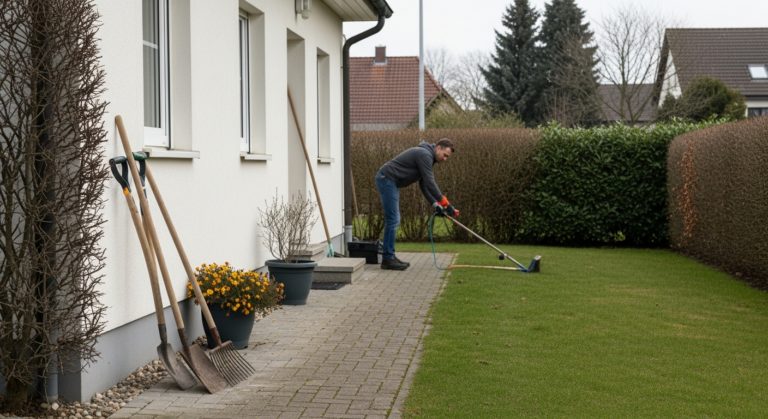
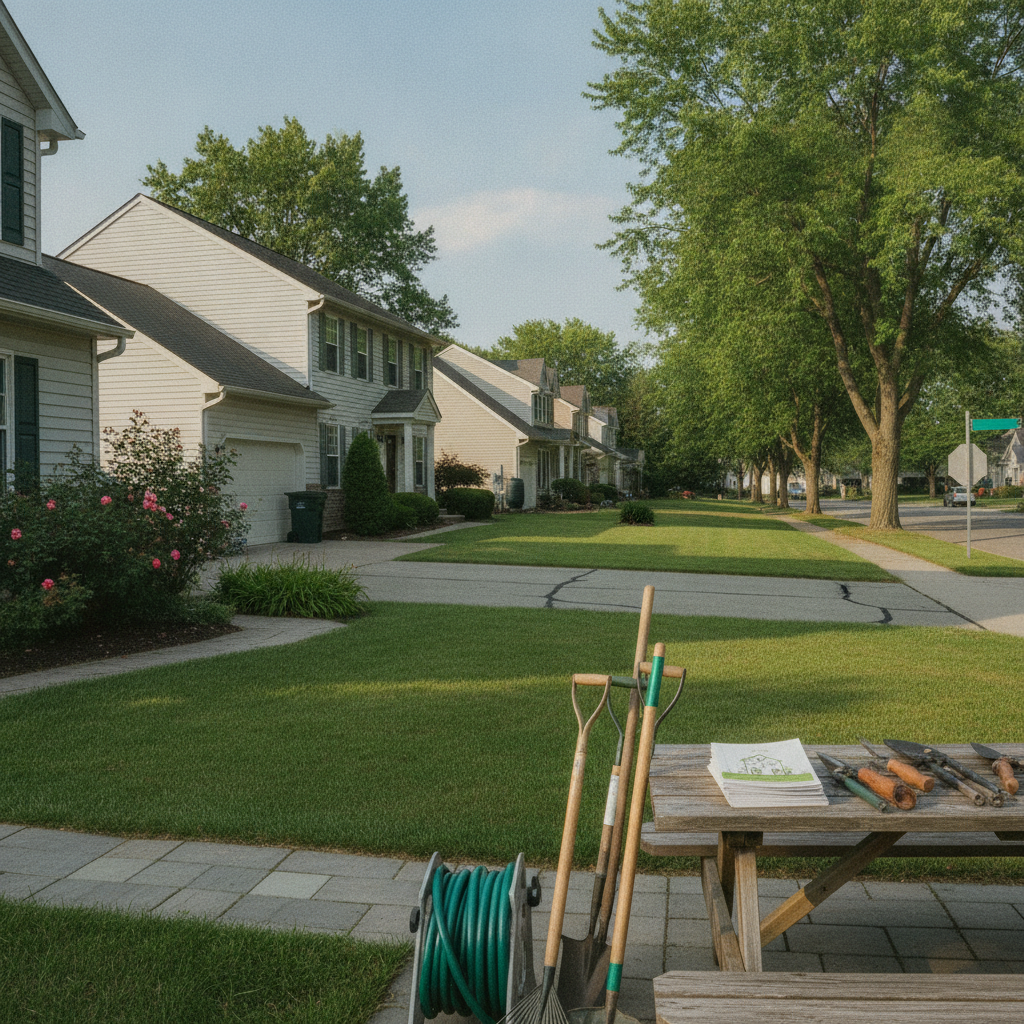
Garden and yard care are also covered. Adding mulch to garden beds is recommended to help fight weeds and retain soil moisture, which is especially beneficial during the summer. Checking outdoor faucets and hoses for leaks and repairing small hose holes with electrical tape can prevent water waste. Inspecting play equipment and repairing or replacing damaged or hazardous parts ensures a safe environment for children. Cleaning gutters and downspouts at least once a year, or twice a year for homes with many nearby trees, is vital for proper water drainage and preventing foundation issues.
Pest prevention and general exterior maintenance are integral to the guide’s advice. Covering any holes wider than a quarter-inch around the home’s exterior can prevent pests from entering. Trimming tree branches to at least 8 feet from the roof helps deter pests, prevents roof damage, and reduces fire risks. Sealing outdoor trash bins, removing leaves and twigs, and mowing frequently all contribute to a less inviting environment for pests. Inspecting window and door caulking is important for energy efficiency and preventing moisture intrusion. Pressure-washing driveways and walkways improves curb appeal and removes slippery buildup. Repairing cracks or holes in driveways and front steps prevents further deterioration and enhances safety. Trimming bushes and plants around the air-conditioning unit ensures proper airflow, which is critical for the unit’s efficiency. Finally, touching up exterior paint protects the home’s siding and maintains its appearance.
The guide concludes with final exterior checks: repainting, resealing, or repairing the fence as needed; inspecting siding for rot, dirt, or looseness; and considering a professional roof inspection. These proactive measures, the guide emphasizes, are instrumental in keeping a home in good condition, preventing hazards such as air-conditioner and dryer fires, and ultimately avoiding more costly repairs down the line.
Why it matters in Greenwood
The detailed home maintenance recommendations are particularly pertinent for property owners across Greenwood, impacting the longevity and value of homes in established neighborhoods like Bentley Park and Grand Harbor, as well as newer developments. Proactive maintenance not only safeguards individual families from potential hazards and unexpected expenses but also contributes to the overall aesthetic and structural integrity of the community’s housing stock. For institutions like Self Regional Healthcare, a major employer in Greenwood, a well-maintained community signals stability and quality of life for its workforce. By adhering to these guidelines, residents can ensure their properties remain safe, efficient, and valuable assets, fostering a resilient and attractive living environment throughout Greenwood.