With deer hunting season approaching, thorough preseason preparation is essential for hunters in Greenwood and the surrounding Lakelands region. A recently released guide details critical steps for ensuring equipment readiness, hunter safety, and strategic field deployment, aiming to enhance success and minimize risks.
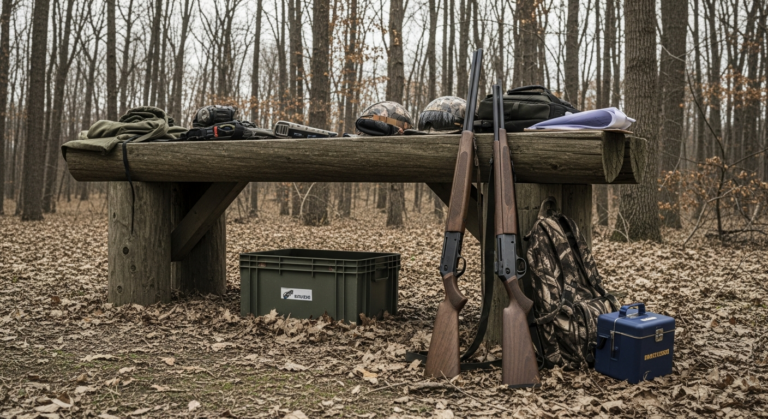
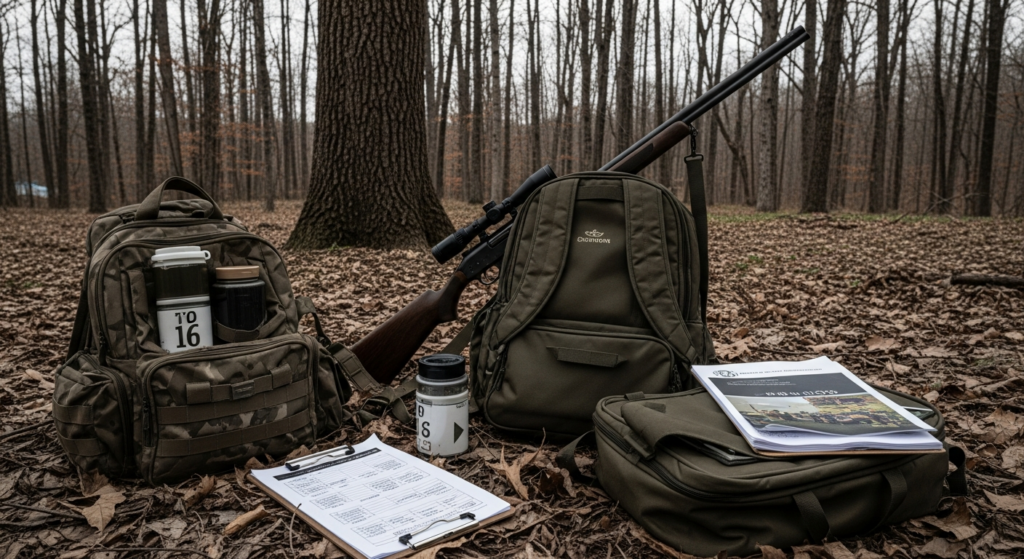
Weapon inspection forms a foundational element of preseason readiness. For bowhunters, this involves a meticulous examination of the bow’s limbs, cams, and string for any signs of wear, fraying, or separation. Strings should be waxed regularly, and any questionable components, such as worn cables or damaged cams, must be replaced well in advance of opening day. Consistent practice shooting is also recommended to maintain proficiency and confirm equipment function. Rifle owners are advised to clean and oil their firearms thoroughly, checking all scope mounts for tightness and ensuring the rifle’s zero is verified at a shooting range. For those using broadheads, an arrow spinner is crucial for checking broadhead and arrow straightness and alignment, which directly impacts flight accuracy and ethical harvesting.
Clothing and footwear also require careful attention. Hunting attire should be washed with scent-free detergent to eliminate human odors that could alert game. Hunters should inspect clothing for holes, worn seams, or fading that might compromise camouflage or warmth. New footwear should be broken in to prevent discomfort and blisters during long treks, and waterproofing treatments should be verified or reapplied as needed. In areas where tick-borne illnesses are a concern, treating clothing with permethrin is a recommended preventative measure, offering an additional layer of protection during summer and early fall scouting trips.
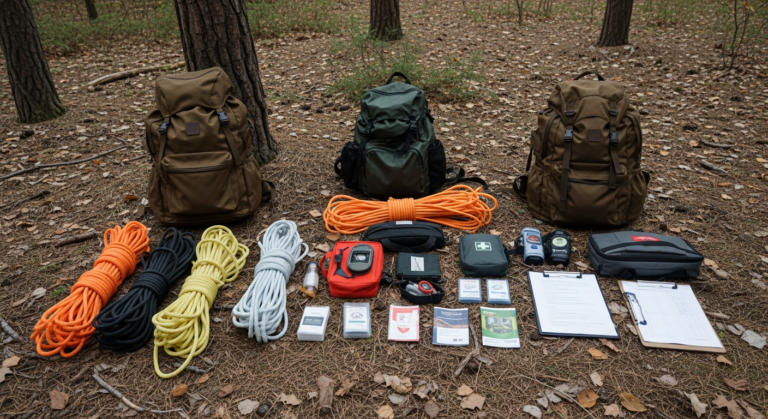
Safety equipment, particularly for elevated hunting, is non-negotiable. Treestands, ladder stands, and climbing sticks must be thoroughly inspected for structural integrity, including checking all welds, bolts, and straps for corrosion, cracks, or wear. Full-body harnesses and lifelines, vital components of elevated hunting safety, should be examined for fraying, cuts, or degradation. Any equipment showing signs of compromise should be immediately repaired or replaced to prevent accidents.
Strategic stand placement is another key recommendation. The guide suggests positioning stands at natural pinch points, funnels, creek crossings, or staging areas located near primary food sources or bedding grounds. Hanging stands early in the season, ideally during the summer months, allows deer to acclimate to their presence, reducing the likelihood of spooking game. When setting up, hunters should trim shooting lanes conservatively, removing only necessary obstructions, and employ quiet, scent-free methods to minimize disturbance to the area.
Map scouting, both digital and physical, provides a significant advantage. Hunters are encouraged to study contour lines on topographic maps to identify saddles, ridges, and draws where deer naturally travel. Locating creeks, ponds, and other low spots can reveal crucial water sources. Satellite maps are invaluable for marking agricultural fields, oak stands, and natural browse areas that serve as food sources. Planning access routes that account for varying wind conditions is essential to approach stands undetected and avoid alerting deer in their bedding or feeding areas.
Trail cameras have become an indispensable tool for understanding deer movement. Recommended placement includes mineral licks, well-used trails connecting bedding and feeding areas, field edges and corners, and water sources. Power options for these cameras vary, from standard lithium cartridges to more sustainable solutions like solar panels, folding solar panels, and battery belts, which can extend deployment times. Before deploying, cameras should be equipped with fully charged batteries, and SD cards, if used, should be formatted and labeled. Hunters should test the field of view, motion activation, flash, and other settings to ensure optimal performance. Newer models, such as the Ultra and REVEAL 3.0 series, offer internal memory, making SD cards optional. Cellular cameras require activation and regular software updates, and users should ensure they are running the most recent version of the associated REVEAL app for full functionality.
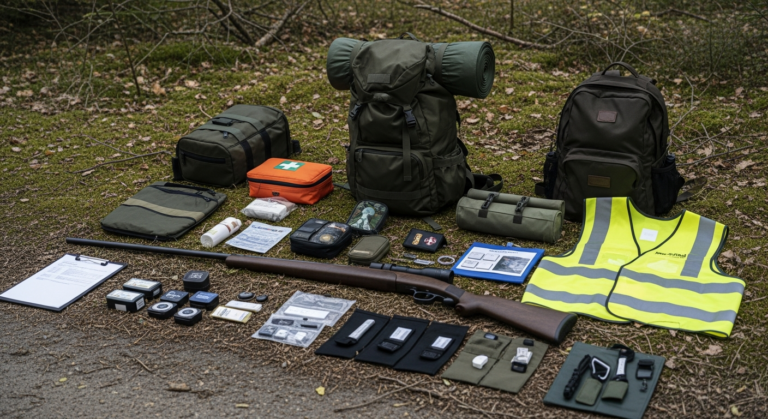
Beyond field equipment, logistical preparations for hunting camps are also covered. This includes inspecting tents, sleeping bags, and pillows for damage, and ensuring an adequate supply of camping-stove fuel, cutlery, and other cooking essentials. For those using campers, a thorough check of all systems is advised. Hunters should also pack sufficient hunting clothing, packs, tags, snacks, water, and a comprehensive first-aid kit. Coordinating with private landowners for access permissions well in advance is crucial. Finally, maintaining good physical conditioning throughout the summer is important for navigating challenging terrain and enduring long days in the field.
Why it matters in Greenwood
For residents of Greenwood and the broader Lakelands region, deer hunting is a significant outdoor activity, contributing to local traditions and recreation. The proximity of areas like the Sumter National Forest – Long Cane District and Lake Greenwood State Park provides extensive opportunities for hunters. Following these preseason guidelines not only promotes ethical and successful hunting but also enhances safety for individuals participating in the sport. Adherence to these practices helps ensure that hunting remains a sustainable and respected activity within the Greenwood community, supporting both wildlife management and the enjoyment of the natural environment that defines much of Greenwood County. Local businesses, from sporting goods stores to outfitters, also benefit from the economic activity generated by a well-prepared hunting season.