As summer temperatures persist across the Lakelands region, a new safety guide emphasizes critical precautions for anglers and recreational boaters navigating local waterways, including Lake Greenwood and the Saluda River. The recommendations focus on mitigating risks associated with prolonged sun exposure, dehydration, heat-related illnesses, and general boat safety.
One of the primary concerns highlighted is sun protection. The guide notes that the sun’s ultraviolet (UV) rays are strongest between 10 AM and 4 PM, a period when many anglers are active. Water surfaces, such as those found on Lake Greenwood, can reflect up to 15% of UV radiation, significantly increasing exposure. To counter this, individuals are advised to use broad-spectrum sunscreen with a minimum SPF of 30, with SPF 50+ recommended for extended periods on the water. Proper application involves applying sunscreen 30 minutes before going outdoors and reapplying every two hours, or more frequently if sweating heavily or after splashing.
Beyond sunscreen, protective clothing and accessories are crucial. The guide recommends lightweight, long-sleeved clothing with a UPF (Ultraviolet Protection Factor) rating, preferably in light colors that reflect sunlight rather than absorbing it. A wide-brimmed hat, offering at least four inches of coverage, is essential for protecting the face, ears, and neck. Polarized sunglasses that provide 100% UV protection are also advised to shield eyes from both direct and reflected sunlight, which can be particularly intense on open water.
Hydration is another cornerstone of summer safety, especially in the humid conditions common in Greenwood. The guide suggests drinking at least 8 ounces of water every 15 to 20 minutes during active fishing. It also stresses the importance of starting hydration the night before an outing to ensure the body is adequately prepared. Beverages high in caffeine or alcohol should be avoided, as they can contribute to dehydration. For those engaged in strenuous activity or prolonged exposure, sports drinks can help replenish electrolytes lost through sweating.
Recognizing the early signs of dehydration is vital for preventing more severe health issues. Initial indicators include thirst, dry mouth, decreased urination, and fatigue. If these symptoms are ignored, dehydration can progress to more serious conditions, manifesting as dizziness, a rapid heartbeat, and confusion. Prompt action upon noticing these signs can prevent a medical emergency.
The guide provides clear distinctions and response protocols for heat exhaustion and heat stroke. For heat exhaustion, which is characterized by heavy sweating, weakness, and nausea, the advice is to move the affected person to a shaded area, remove any excess clothing, apply cool water to their skin, and offer cool fluids if they are conscious and able to swallow. Heat stroke, a more severe and life-threatening condition, presents with a body temperature above 103°F, an altered mental state, hot and dry skin (though sweating may still occur), a rapid pulse, and potential unconsciousness. In cases of suspected heat stroke, immediate action is required: call 911 without delay and begin aggressive cooling measures while awaiting emergency medical services.
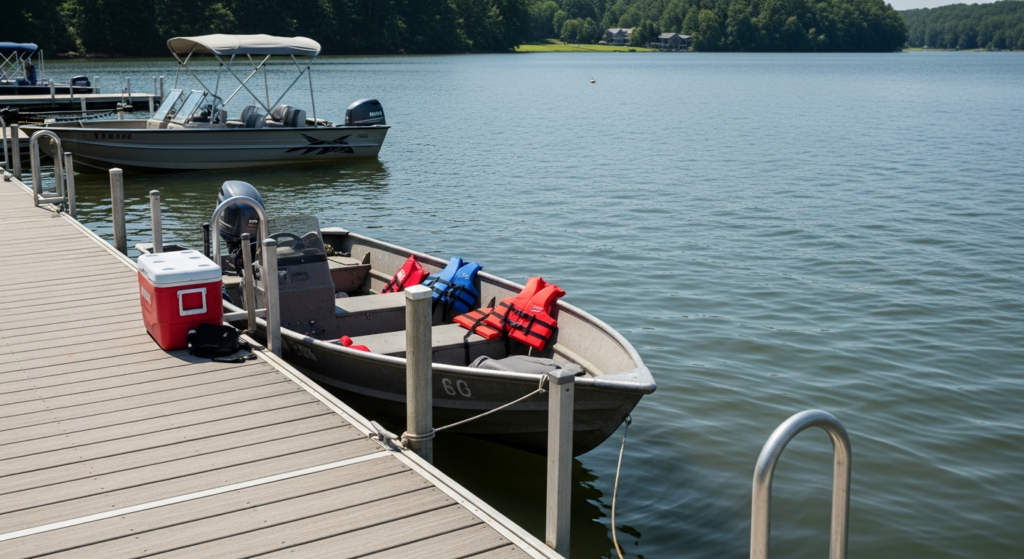
Boat safety recommendations are also a critical component, particularly for those venturing onto Lake Greenwood or other larger bodies of water. Anglers and boaters are advised to ensure their vessel has adequate shade and that all safety equipment, such as life jackets and fire extinguishers, is functioning correctly. Checking the engine cooling system before departure is paramount to prevent breakdowns. Filing a float plan with a trusted contact, detailing the intended route and estimated return time, provides a crucial safety net. Additionally, carrying extra water and emergency supplies, including a VHF radio for communication, is recommended. For extended trips, the guide suggests carrying at least one gallon of water per person per day for emergencies.
Why it matters in Greenwood
The recommendations outlined in the safety guide are particularly pertinent for residents of Greenwood, where recreational fishing and boating are popular summer activities on Lake Greenwood and the surrounding waterways. With the sustained high temperatures typical of August in the Lakelands, understanding and implementing these safety measures can significantly reduce the risk of heat-related illnesses and boating incidents. Self Regional Healthcare, a major employer and critical care provider in Greenwood, often sees an increase in heat-related emergencies during the summer months. Adherence to these guidelines helps ensure that local waterways remain safe and enjoyable for everyone, minimizing preventable strain on emergency services and healthcare resources in the community. The guide serves as a practical resource for maintaining well-being during peak outdoor activity in Greenwood.