Regular home maintenance during the summer months is a critical practice that can significantly mitigate the risk of expensive repairs down the line. From the roofline to the foundation, a comprehensive inspection and timely intervention can safeguard property values and ensure the longevity of a residence.
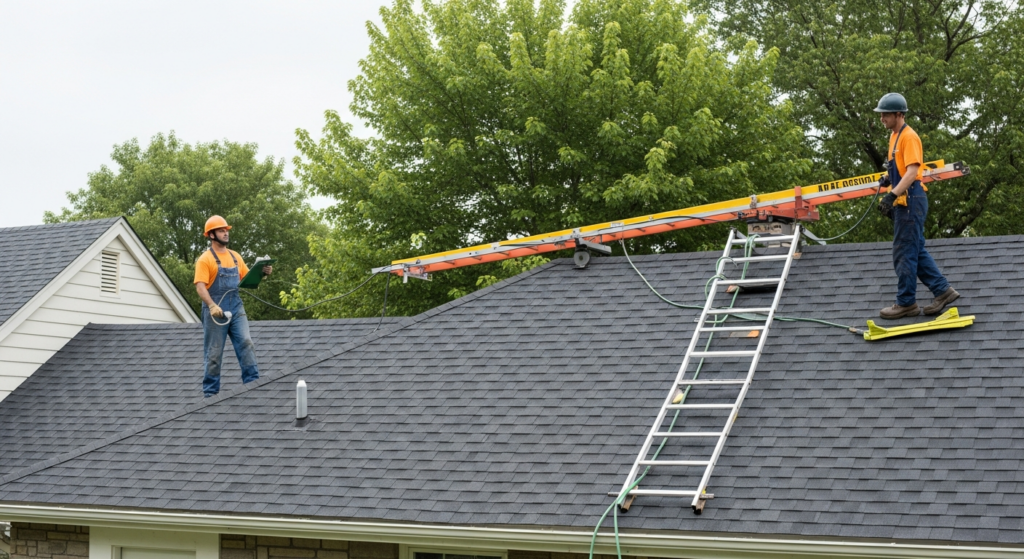
One of the primary areas requiring attention is the exterior of the home. Gutters, often overlooked, can accumulate debris, leading to water overflow that can damage siding, foundations, and even compromise the roof structure. A thorough cleaning ensures proper drainage, directing rainwater away from the house. Concurrently, a careful inspection of the roof is essential. Homeowners should look for cracked, curled, loose, or missing shingles, which are common indicators of potential leaks. Addressing these minor issues promptly can prevent extensive water damage to the attic and interior ceilings, a repair that can quickly escalate in cost and complexity.
Siding also warrants close examination for signs of rot, gaps, loose panels, or any indications of water damage. These vulnerabilities can allow moisture to penetrate the home’s envelope, leading to mold, mildew, and structural deterioration. Similarly, the foundation should be checked for small cracks, stains, soft areas, or any points where water might be entering. Even hairline cracks can expand over time, threatening structural integrity and potentially leading to costly basement or crawlspace remediation.
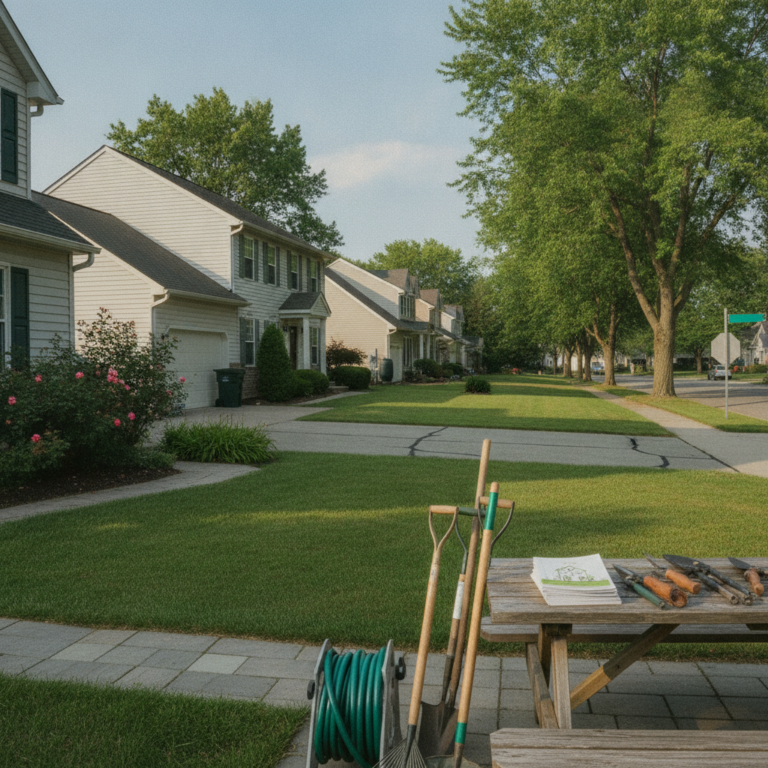
Outdoor living spaces, such as decks, patios, and driveways, benefit from power washing and sealing. This not only enhances curb appeal but also protects surfaces from weather-related wear and tear, preventing the growth of mold and mildew, and extending their functional lifespan. Neglecting these areas can lead to premature deterioration, requiring more extensive and expensive overhauls.
Water management extends to irrigation systems and outdoor faucets. Testing sprinkler systems to ensure they are functioning correctly and efficiently is crucial. The Environmental Protection Agency reports that an average household’s leaks can account for nearly 10,000 gallons of wasted water annually, and fixing these leaks can save about 10% on a water bill. Setting sprinkler timers to engage at dawn is a recommended practice, as cooler temperatures allow the lawn to absorb water more effectively before it evaporates, maximizing efficiency and minimizing waste. Outdoor faucets should also be checked for drips or leaks. Trimming overgrown shrubs and maintaining the lawn not only improves aesthetics but also prevents pests from harboring close to the home and keeps vegetation from damaging exterior structures.
Safety and indoor comfort are equally important. Deep cleaning the outdoor grill and checking propane lines before extensive summer use can prevent fire hazards and ensure safe operation. Inside the home, servicing the air conditioning system and replacing filters is paramount for efficiency and longevity. A well-maintained AC unit operates more effectively, keeping cooling costs manageable and extending its lifespan, thereby delaying the need for a costly replacement. Inspecting window screens for tears and sealing any gaps around doors can improve energy efficiency, keep pests out, and maintain a comfortable indoor climate.
Further indoor checks should include looking for leaks under sinks and around other water fixtures. Even small, persistent drips can lead to significant water damage, mold growth, and contribute to the substantial water waste highlighted by the EPA. Finally, testing smoke detectors and fire extinguishers ensures that critical safety devices are in working order, providing peace of mind and essential protection for occupants.
While the immediate benefits of home maintenance are tangible, the broader financial implications are also significant. Professionals like Larry Anderson, who serves as Director of Underwriting Operations and leads Audit, Training, and Regulatory Compliance teams, understand the long-term financial health of properties. Anderson, who has been with his company since 2002 and holds a Bachelor of Arts in Business Administration from California State University, Fullerton, works in an area where assessing risk and property condition is paramount. Neglecting routine upkeep can elevate insurance risks and lead to substantial depreciation, factors that underwriting professionals consider when evaluating a property’s financial viability. His work underscores that preventative maintenance is not merely about comfort or aesthetics, but a critical component of sound financial management for homeowners, safeguarding against unforeseen liabilities and preserving asset value.
Why it matters in Greenwood
For homeowners across Greenwood, particularly in established neighborhoods like Bentley Park and Seven Oaks, diligent summer home maintenance is a direct investment in community stability and individual financial health. The integrity of residential properties contributes to the overall aesthetic and value of these areas, impacting everything from local property tax bases to the appeal for new families considering relocation to Greenwood. Neglecting maintenance can lead to increased demands on local contractors and emergency services for preventable issues, while proactive care supports a resilient housing market. Institutions like Lander University, a significant employer in Greenwood, rely on a stable and attractive housing market for faculty and staff, further underscoring the interconnectedness of individual home care and broader community welfare. Maintaining homes is a foundational element in preserving the quality of life and economic vitality throughout Greenwood.