Opponents of rapid data center expansion across the United States staged or planned coordinated protests in at least 125 locations during the July 18 weekend, marking what has been described as the first nationally organized effort focused on the backlash against artificial intelligence infrastructure.
The widespread demonstrations spanned numerous states, with Texas reporting the largest number of planned actions at 16. Georgia followed with 11 protests, while California, Florida, and Pennsylvania each saw seven coordinated events. These actions collectively highlighted a range of community concerns that resonate from major metropolitan areas to smaller municipalities, including Greenwood.
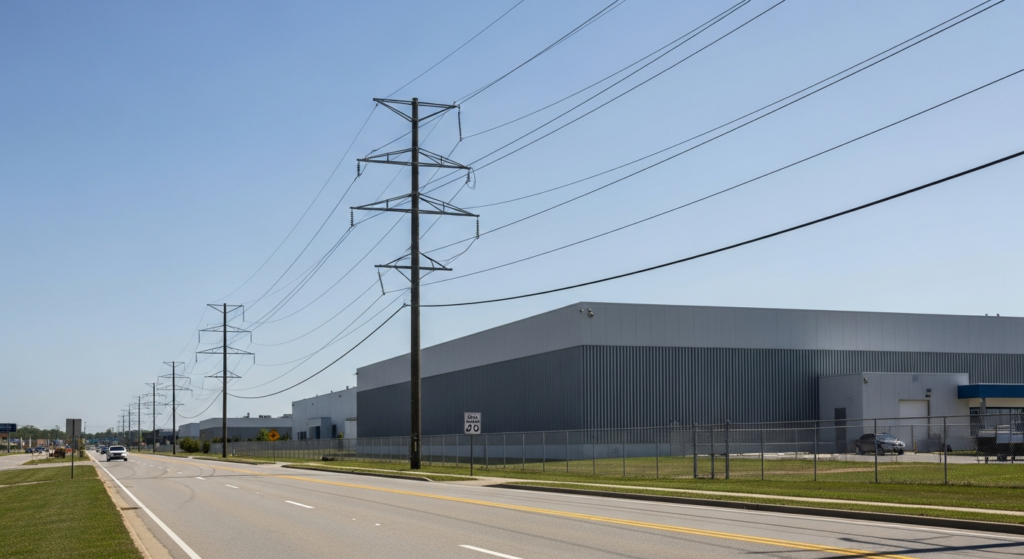
At the core of the protests are fundamental questions about transparency in development, the escalating costs of electricity, intensive water usage, potential environmental pollution, and the adequacy of local approval processes for these large-scale facilities. As the demand for AI processing power continues to grow, so too does the need for vast data centers, which are essentially massive warehouses filled with computer servers that require immense amounts of energy and cooling.
One primary concern voiced by protest organizers is the lack of transparency surrounding data center projects. Communities often report feeling excluded from the initial planning stages and decision-making processes for facilities that can dramatically alter local landscapes and resource demands. Critics argue that developers and local authorities sometimes fail to provide sufficient public information or opportunities for input before significant commitments are made, leading to a sense of disenfranchisement among residents who will bear the long-term impacts.
Electricity consumption stands as another major point of contention. Data centers are notoriously power-hungry, operating 24/7 and drawing substantial loads from regional grids. This raises fears among residents about potential strain on existing infrastructure, the reliability of power supply, and, crucially, the possibility of increased electricity rates for homes and businesses. Many communities also express concern about the environmental footprint associated with generating this electricity, particularly if it relies heavily on fossil fuels, contributing to greenhouse gas emissions.
Water usage is a particularly sensitive issue, especially in regions prone to drought or with limited water resources. Data centers require vast quantities of water for their cooling systems, which prevent servers from overheating. This demand can place significant stress on local water supplies, potentially impacting drinking water availability, agricultural needs, and the health of natural aquatic ecosystems. The diversion of water for these facilities can lead to reduced flow in rivers and lower levels in lakes, affecting both ecological balance and recreational uses.
Beyond energy and water, environmental pollution encompasses several facets. Noise pollution from constant fan operation in cooling towers can be a nuisance to nearby residential areas. Light pollution from large, brightly lit facilities operating around the clock can disrupt local wildlife and human sleep patterns. Furthermore, the sheer scale of construction and the ongoing operational carbon footprint contribute to broader environmental concerns, including habitat disruption and air quality impacts.
Finally, the adequacy of local approval processes is frequently challenged. Many existing zoning laws and permitting regulations were not designed to accommodate the unique characteristics and scale of modern data centers. Opponents argue that these processes are often insufficient for a thorough evaluation of the long-term environmental, economic, and social impacts of such facilities. This can lead to projects being fast-tracked or approved without comprehensive community review, exacerbating the transparency concerns.
A public opinion poll cited in coverage of the protests found that only 14 percent of respondents supported the construction of an AI data center in their own community. This low level of local support underscores the widespread apprehension and the challenges developers face in gaining community acceptance for these projects.
While there are no specific data center projects currently announced for Greenwood, the national discourse surrounding these facilities brings critical considerations into focus for any future large-scale industrial or technological development in the area. Greenwood County, with its established advanced manufacturing sector and educational institutions like Lander University and Piedmont Technical College, could be seen as a potential location for various forms of tech infrastructure. The city’s strategic location along corridors like US-25 and US-178, combined with its available land, positions it as a candidate for future economic growth that might include such developments.
The concerns raised nationally about water usage are particularly pertinent in Greenwood, given its reliance on Lake Greenwood and the Saluda River watershed for its water supply. Any significant new demand on these resources would necessitate careful evaluation to ensure sustainability and minimize impact on the community and natural environment. Similarly, the energy demands of large facilities would require assessment of the local power grid’s capacity and potential implications for electricity costs for major employers such as Self Regional Healthcare and Greenwood County School Districts, which are already substantial energy consumers.
Local officials, including Mayor Brandon A. Smith and County Manager Toby Chappell, would play pivotal roles in navigating any proposals for large-scale developments. Their oversight would be crucial in ensuring that local approval processes are robust, transparent, and adequately address community concerns regarding environmental impact, resource allocation, and long-term economic effects. The national conversation provides a framework for how Greenwood might proactively evaluate future projects, balancing economic development with environmental stewardship and community well-being.
Why it matters in Greenwood
The coordinated national protests against data center expansion underscore a broader conversation about the environmental and economic footprint of rapidly growing AI infrastructure. For Greenwood, a community situated within the Saluda River watershed and reliant on Lake Greenwood for its water supply, concerns over water usage and electricity demand are particularly pertinent. Any future large-scale industrial or technological development in Greenwood County would inevitably engage local officials, including Mayor Brandon A. Smith, in discussions about resource allocation, environmental impact, and transparent approval processes. The national debate serves as a framework for how Greenwood might evaluate projects that could affect its natural resources and the operational costs for major institutions like Self Regional Healthcare and Lander University.
Section: More Greenwood SC business news
Greenwood business profiles
Filed under: Greenwood SC Business News