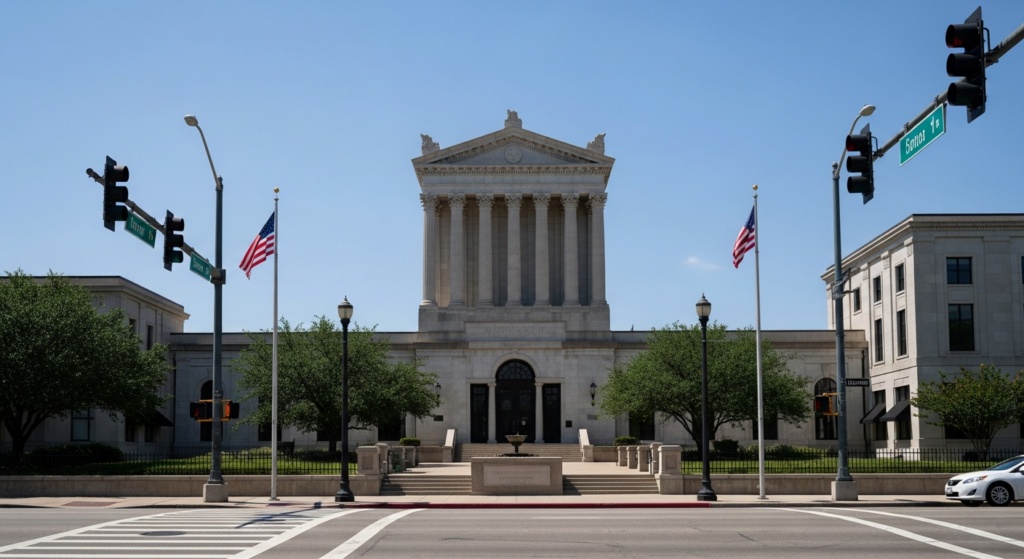
The Supreme Court has allowed a Texas law mandating age verification for app-store users to take effect, a decision that comes amidst ongoing legal challenges to the statute. The ruling, issued Friday, July 10, 2026, means that app stores operating in Texas must now implement systems to confirm the age of users, particularly to restrict access for minors to certain content.
The Texas law, which has drawn national attention, places duties on app-store providers to ensure that individuals under a specified age cannot access applications deemed inappropriate without parental consent or other age-gating mechanisms. Independent legal analyses and national reporting describe the legislation as primarily focused on protecting minors by requiring robust age checks within digital marketplaces.
While the Supreme Court’s action allows the law to be enforced, it does not resolve the underlying legal disputes. Challenges to the law’s constitutionality and practical implementation are expected to continue through lower courts, suggesting that the current operational status may be temporary or subject to further judicial review.
The development is part of a broader national conversation regarding online safety for children and the responsibilities of technology companies. States across the country are grappling with how to regulate digital platforms to safeguard younger users, and the Texas case could serve as a bellwether for similar legislative efforts elsewhere.
For residents of Greenwood, this national legal development underscores the evolving landscape of digital access and parental oversight. While the Texas law does not directly apply to users in South Carolina, the Supreme Court’s willingness to let such a measure proceed, even temporarily, highlights a growing trend toward stricter age verification online. This could influence future legislative discussions at the state level or prompt changes in how national app providers operate across all markets, including those serving families and educational institutions in Greenwood.
### Why it matters in Greenwood
The Supreme Court’s decision, though focused on a Texas statute, resonates with parents, educators, and community leaders in Greenwood who are increasingly navigating the complexities of digital media and youth. Institutions like the Greenwood County School Districts and Lander University are deeply invested in the well-being and responsible digital citizenship of young people. The precedent set by allowing such a law to take effect, even while under appeal, could inform future policy debates or shape the practices of app providers that serve families in Greenwood. Parents may see an increased emphasis on age verification across various platforms, prompting discussions about digital literacy and online safety within households. Self Regional Healthcare, a major employer and community pillar, also has an interest in the mental and physical health of the community’s youth, which is often intertwined with their online experiences. This national legal action reflects a societal shift toward greater accountability for digital content access, a shift that will inevitably have local implications.