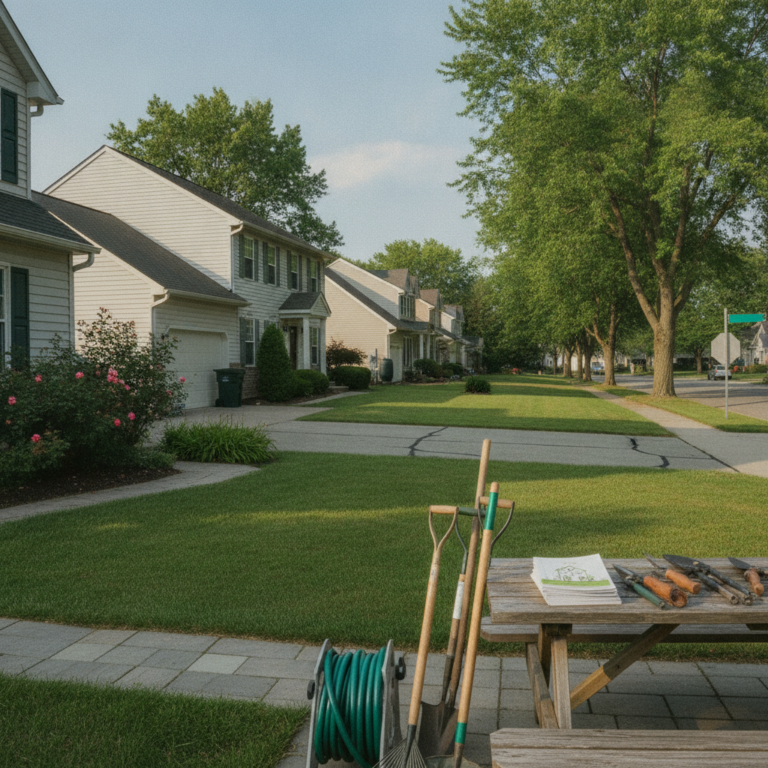
A period of intense summer heat is prompting calls for careful attention to outdoor plants and garden spaces across Greenwood. With July temperatures expected to remain elevated, home gardeners and landscapers are preparing to implement strategies designed to protect flora from stress and dehydration.
To safeguard garden beds, container plants, and patio greenery, experts recommend several key practices. Deep and infrequent watering is paramount. This method encourages roots to grow deeper into the soil, making plants more resilient by allowing them to access moisture reserves that are less prone to surface evaporation. Watering thoroughly in the early morning hours, before the sun’s peak intensity, ensures maximum absorption and minimizes water loss.
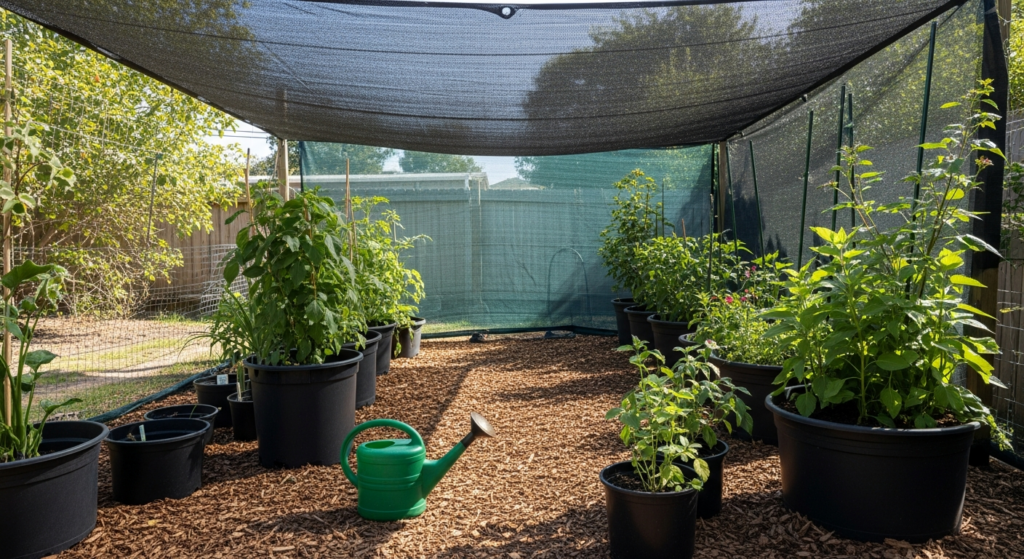
The strategic use of shade and mulch also plays a critical role in mitigating the effects of heat. Applying a two-to-four-inch layer of organic mulch, such as wood chips, shredded bark, or straw, around plants helps to retain vital soil moisture, regulate soil temperature by insulating roots from extreme heat, and suppress weeds that compete for water and nutrients. For particularly vulnerable plants or those exposed to direct, all-day sun, temporary shade cloths or strategically placed umbrellas can provide crucial relief, reducing leaf scorch and overall plant stress during the hottest parts of the day.
Container plants, due to their limited soil volume, are often more susceptible to rapid drying and overheating. These plants require particular vigilance. Where feasible, moving potted plants to shadier locations, such as under a porch overhang, a larger tree, or a north-facing wall, can prevent wilting and root damage. If relocation is not possible, grouping containers together can create a beneficial microclimate, increasing humidity and reducing individual moisture loss.
Finally, residents are advised to adjust their outdoor work schedules. Avoiding strenuous gardening tasks, heavy watering, or planting during the midday heat not only protects plants from additional stress but also minimizes personal exposure to dangerously high temperatures. Early morning or late evening hours are generally more suitable for these activities, offering cooler conditions for both gardeners and their plants. These practices are particularly relevant for homeowners in Greenwood’s various neighborhoods, from Bentley Park to Grand Harbor, where diverse landscaping and garden styles are common, and maintaining healthy green spaces contributes to the overall aesthetic and environmental well-being of the community.
### Why it matters in Greenwood
The sustained summer heat presents practical challenges for many in Greenwood, impacting not only personal gardens but also the broader urban landscape. Efforts to maintain healthy green spaces, from private residences to public areas like the Uptown Greenwood Streetscape Parks, contribute to the city’s visual appeal and can offer small pockets of cooler air. Furthermore, the advice on avoiding midday outdoor work aligns with public health recommendations often shared by institutions like Self Regional Healthcare, emphasizing the importance of personal well-being during periods of extreme heat. Ensuring the vitality of Greenwood’s plant life reflects a commitment to the city’s environment and the quality of life for its residents.