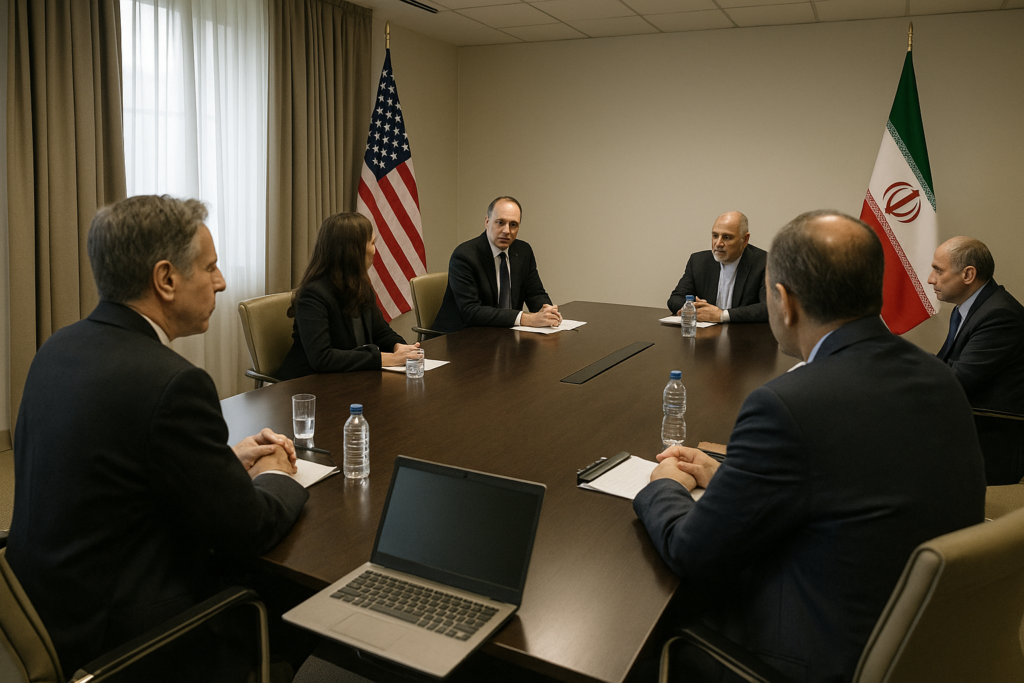
The United States has announced a 60-day waiver on sanctions related to Iranian oil and associated transactions, a significant development in the context of ongoing diplomatic negotiations. This waiver, which will remain in effect until August 21, is part of an emerging framework aimed at implementing early economic relief steps agreed upon in recent talks.
Iranian officials have characterized this relief as encompassing not only oil exports but also petrochemicals, frozen assets, and plans for reconstruction. The lifting of these sanctions is expected to impact the flow of oil through the Strait of Hormuz, a crucial passage for global energy markets, and is seen as a test of the durability of the ceasefire framework established in the negotiations.
President Biden has cautioned that U.S. policy may shift if Iran fails to comply with the terms of the agreement. This warning underscores the delicate balance of national security and diplomatic relations at play, as the U.S. seeks to navigate its interests in the region while addressing the complexities of Iranian compliance.
The implications of this waiver extend beyond immediate economic relief for Iran, potentially influencing global oil prices and the stability of the energy market. Analysts are closely monitoring the situation, as any changes in U.S. policy could have significant repercussions not only for Iran but also for allies and adversaries alike in the region.
As discussions continue, the focus remains on ensuring compliance and fostering a stable environment for negotiations. The outcome of these talks could redefine U.S.-Iran relations and reshape the geopolitical landscape in the Middle East.