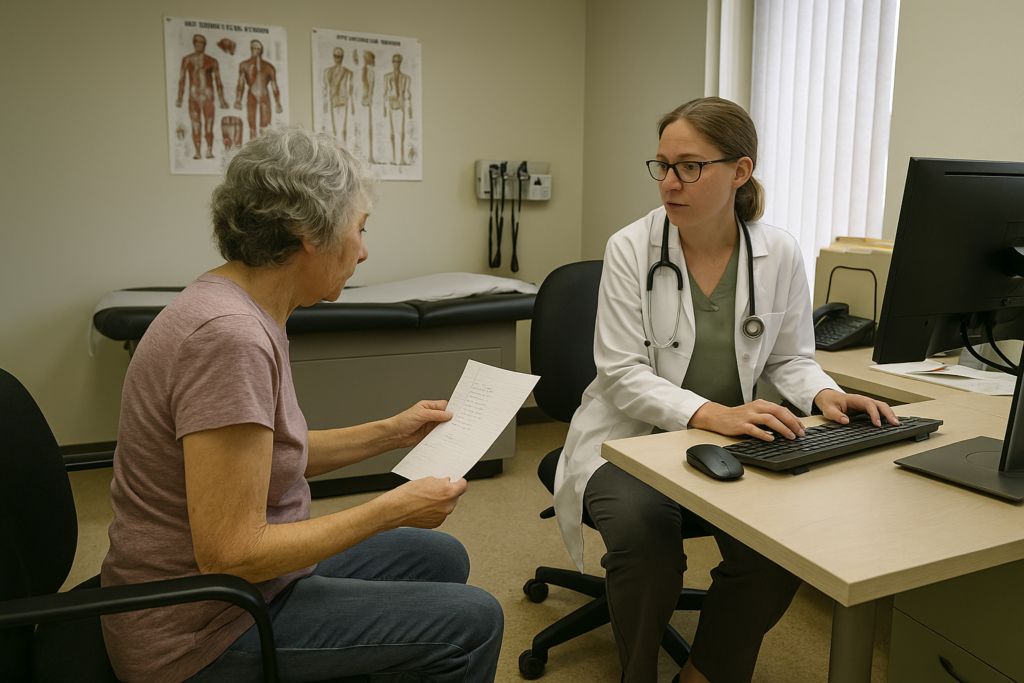
Creating a comprehensive medication list is essential for patients seeking to optimize their healthcare experience. This list should include not only prescription drugs but also over-the-counter medicines, vitamins, supplements, dosages, timing, and the reasons for use. By having this information readily available, patients can ensure that healthcare providers have a clear understanding of their medication regimen, which is crucial for safe and effective treatment.
Patients are encouraged to bring the same medication list to all healthcare appointments, including visits to primary care physicians, specialists, urgent care facilities, and pharmacies. This practice helps to reduce the risk of medication interactions and ensures that all healthcare providers are informed about the medications being taken.
Updating the medication list after every change is vital. Whether a new medication is added, a dosage is adjusted, or a medication is discontinued, patients should keep a current version of their list accessible—either in paper form or on their phone. This accessibility allows for quick reference during appointments, making the healthcare process smoother and more efficient.
Additionally, patients should consult with a pharmacist or clinician before making any changes to their medication regimen. This includes stopping medications, combining different drugs, or altering the timing of doses. Such consultations can prevent potential complications and ensure that any changes made are safe and appropriate.
In Greenwood, where healthcare facilities like Self Regional Healthcare play a pivotal role in the community, having an organized medication list can significantly enhance patient safety. As the primary industry in the region, healthcare providers emphasize the importance of communication between patients and providers, especially regarding medications.
For residents of Greenwood, the importance of maintaining an accurate medication list cannot be overstated. It not only aids in individual health management but also contributes to broader public health efforts by minimizing the risks associated with medication errors. As healthcare continues to evolve, the role of patients in managing their medications becomes increasingly critical.
In conclusion, building and maintaining a detailed medication list is a straightforward yet impactful step that patients can take to improve their healthcare experiences. By being proactive and organized, individuals can enhance their safety and ensure that they receive the best possible care during their medical visits.