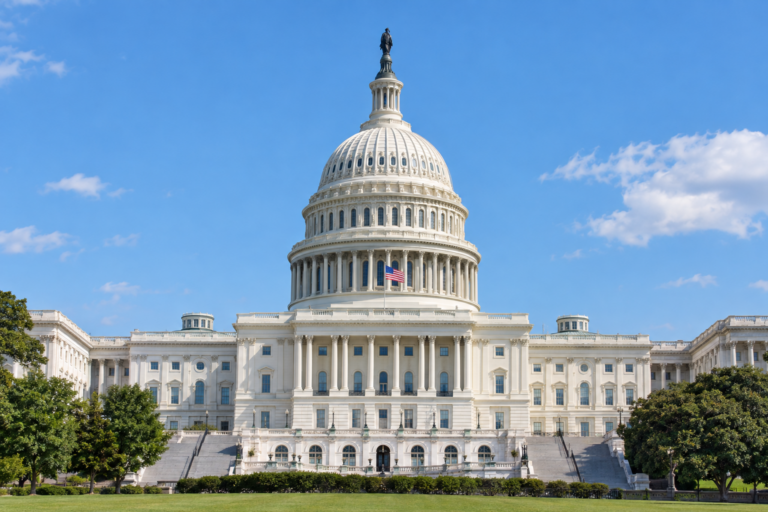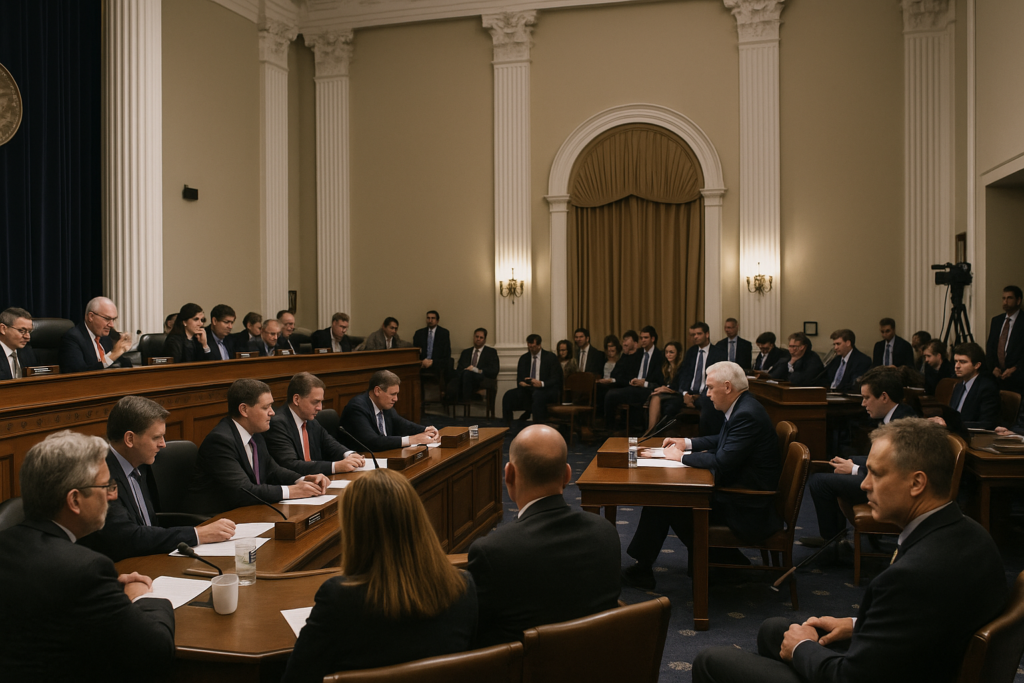
Lawmakers returned to Capitol Hill this week to address the escalating costs and strategic implications of the ongoing military conflict in Iran. The Pentagon has requested approximately $80 billion to cover expenses primarily associated with the war, prompting intense scrutiny from both sides of the aisle in Congress.
The debate centers not only on the financial burden of the conflict but also on whether Congress has adequately authorized or checked the military campaign. Senators from both parties are calling for comprehensive briefings on the emerging U.S.-Iran framework and the administration’s next steps. This scrutiny comes as lawmakers grapple with the broader implications of war powers, appropriations, sanctions policy, and oversight of any potential agreements.
The political stakes are high, with many lawmakers expressing concerns about the long-term consequences of U.S. military engagement in the region. The discussions reflect a growing demand for accountability and transparency regarding the government’s actions and expenditures related to the conflict.
In Greenwood, the local political landscape mirrors these national debates, with residents following the developments closely. The implications of federal spending and military engagement resonate at the community level, particularly in light of the region’s reliance on federal funding for various initiatives, including education and healthcare.
As Congress continues to deliberate, Greenwood’s representatives are expected to weigh in on the matter, advocating for the interests of their constituents. The outcome of these discussions could have far-reaching effects on local funding and resources, particularly for institutions like Self Regional Healthcare and the Greenwood County School Districts.
The ongoing conflict and the associated costs raise critical questions about the balance of power between Congress and the executive branch, as well as the role of local communities in shaping national policy. Greenwood residents, like many across the country, are keenly aware of how these decisions impact their lives and the resources available to them.
As the situation evolves, the need for clear communication and accountability from elected officials remains paramount. Greenwood’s leaders will likely continue to advocate for transparency and responsible governance as they navigate the complexities of federal military spending and its implications for the community.